


Desert Truce: Netanyahu’s ‘Halt’ Offers a Cautious Breather, Not Resolution
POLICY WIRE — Tel Aviv, Israel — The skies over the Levant, for a precious few days anyway, haven’t been screaming. No new aerial fireworks, no reciprocal missile volleys tearing through the...

POLICY WIRE — Tel Aviv, Israel — The skies over the Levant, for a precious few days anyway, haven’t been screaming. No new aerial fireworks, no reciprocal missile volleys tearing through the night. Prime Minister Benjamin Netanyahu confirmed it himself: the latest, frankly predictable, tit-for-tat with Tehran has settled down—for now. It’s a silence less about genuine rapprochement and more about collective exhaustion, a shared understanding that this particular round had hit its messy conclusion without tipping into full-blown regional catastrophe. Or, you know, maybe they just needed a coffee break.
Because that’s what it feels like, doesn’t it? A precarious pause, a breath drawn deep before the next, perhaps bigger, confrontation. The global community let out a collective sigh, probably along with a mumbled ‘thank heavens’ and a knowing nod that this whole show would be back. It always is. For decades, the shadow boxing has defined much of Middle Eastern diplomacy, morphing from covert ops to overt aerial bombardments with startling regularity. And every time, the world holds its breath, wondering if this is the moment the whole powder keg ignites. Today, it seems, cooler heads—or perhaps just more cautious ones—prevailed.
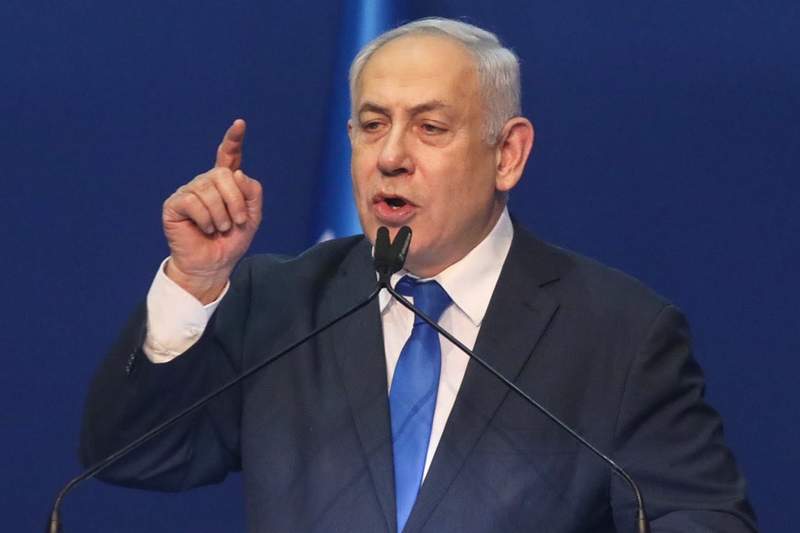
“We’ve shown our capabilities, and we’ve made our intentions abundantly clear: aggression against us will be met with unwavering force,” Netanyahu declared, his voice firm, echoing remarks to a gathering of security officials in Jerusalem. “But we’re also not seeking escalation for its own sake. There’s a distinction, — and we’ve made our point. This halt reflects a prudent assessment, not a change in strategic posture.” A shrewd play, if you’re into political theater, designed to appease his hawkish base while signaling a fleeting period of calm to an international audience tired of the brinkmanship.
Meanwhile, on the Iranian side, the narrative shifted from retaliatory fury to measured deterrence. “The Zionists thought they could strike with impunity, but the era of unchecked aggression is over,” asserted Brigadier General Abolfazl Shekarchi, a spokesperson for Iran’s armed forces, speaking to state media. “Our response was proportionate, a stark warning. We won’t tolerate further provocations, but we’re also wise enough to dictate the pace of our engagements, not react to theirs.” Both sides, then, are claiming victory in a non-escalation. It’s almost comical.
This uneasy quietude does ripple across the broader Muslim world, a region already grappling with its own multitude of anxieties. For a country like Pakistan, perched precariously on the edge of its own economic precipice—where the friction in paradise is a daily reality—any hint of broader regional conflict is a severe headache. Islamabad needs stability, particularly for oil prices, given its substantial import dependency. In 2023, Pakistan spent a staggering 34.2 billion U.S. dollars on petroleum product imports, according to data from the State Bank of Pakistan. A major conflict in the Gulf would send those numbers through the roof, torpedoing any faint hope of recovery.
And because these skirmishes, however contained they momentarily seem, inflame passions. Across Sunni-majority nations, the Iranian-Israeli dynamic often takes on a complex theological and political dimension. While many governments might quietly—or overtly—support Israel’s containment of Iran, public sentiment, especially concerning events in Gaza or broader Palestinian issues, complicates any outright alignment. Leaders have to walk a tightrope, placating internal religious factions while trying to maintain regional stability and economic lifelines. It’s an act few perform with consistent grace.
But let’s be real: this pause isn’t a peace treaty. It’s merely a tactical regrouping, an opportunity for both sides to resupply, recalibrate, and perhaps refine their next move in a perpetual game of geopolitical chess. No one’s calling for disarmament; they’re just lowering the volume for a bit. Don’t mistake a momentary lack of gunfire for a sudden surge of goodwill. That’s not how this neighborhood operates. Not yet, anyway.
What This Means
This ‘halt’ signifies several key undercurrents. Politically, it grants Netanyahu a temporary reprieve from international pressure, allowing him to claim de-escalation while maintaining a hardline posture domestically. For Iran, it’s an assertion of capability and defiance without committing to a protracted, devastating war it can ill afford, especially with an already strained economy and a restive populace. Economically, even a brief lull provides a marginal boost of confidence to global energy markets—oil prices often spike with Middle Eastern tensions—though it won’t erase the underlying premium of uncertainty. Investors, ever twitchy, will appreciate the breather but won’t forget the inherent volatility.
From a broader regional perspective, this is a dangerous normalization of episodic warfare. Countries are getting used to these exchanges, raising the bar for what constitutes a crisis. This habituation means future flare-ups might need to be even more dramatic to garner global attention, ironically increasing the risk of miscalculation. It also entrenches a certain fatalism among populations caught in the middle. The big picture? Everyone’s still armed. Everyone’s still angry. They’re just not shooting at this exact moment. So don’t unpack those bomb shelters just yet. It’s not over; it’s just intermission. The theater, after all, must go on, as the cooperation paradox keeps demonstrating the world over.