


Desert Intersections: Albuquerque’s Latest Traffic Saga Echoes Global Infrastructure Headaches
POLICY WIRE — Albuquerque, N.M. — It’s a familiar refrain, really. The sunrise breaks over a landscape, another day beckons, and somewhere, a segment of the population grapples with the quiet dread...

POLICY WIRE — Albuquerque, N.M. — It’s a familiar refrain, really. The sunrise breaks over a landscape, another day beckons, and somewhere, a segment of the population grapples with the quiet dread of the morning commute. In the Duke City, that dread now wears a particularly pointed hat, marked with the indelible stamp of highway construction. What starts as an aspirational blueprint for better roads often translates, for those living it, into a maddening dance of detour signs and crimson tail lights.
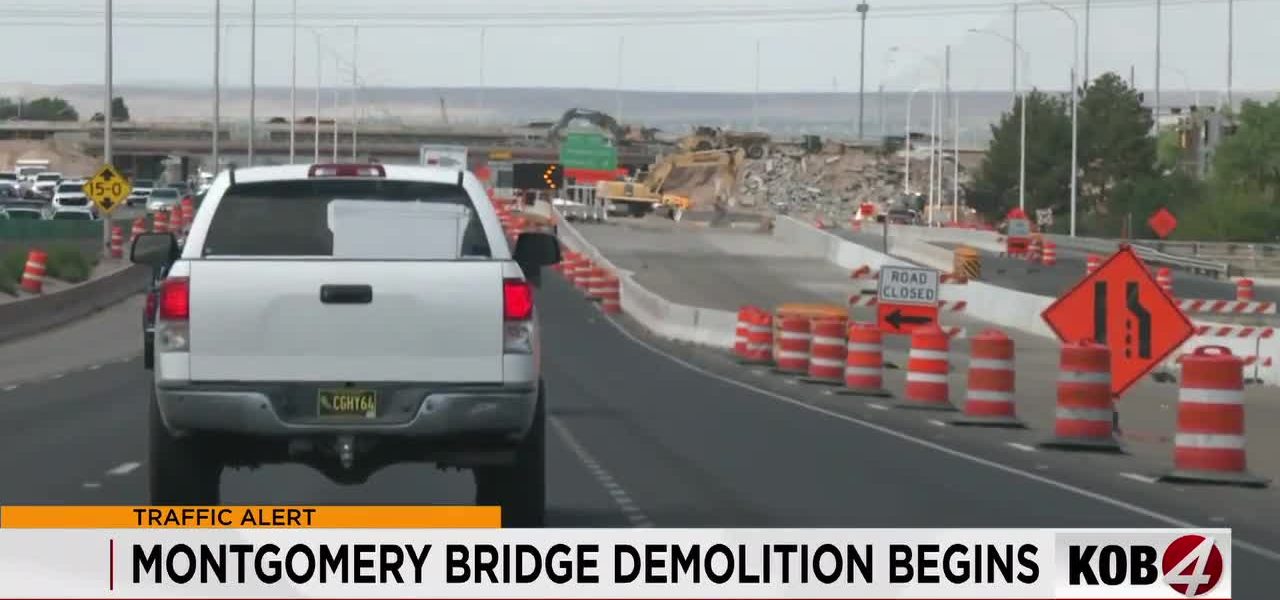
Down Interstate 25, a section usually bustling, things have taken a turn for the disruptive. Not with some grand, flashy groundbreaking, but with the measured, nightly obliteration of the old Montgomery Boulevard bridge. This isn’t just about traffic — though, heavens, it absolutely is about traffic — but about a shared urban ritual. The New Mexico Department of Transportation, or NMDOT if you prefer the bureaucratic brevity, has dubbed this destruction one of the biggest milestones in the two-year improvement project. That sounds rather grand, doesn’t it? For thousands, it just means you’re going to need another podcast episode or three.
Beginning Sunday nights and extending into the wee hours— 8 p.m. to 6 a.m., if you’re keeping score— crews have been gnawing away at the aging structure. Motorists, bless their patient hearts, are being shunted onto frontage roads, navigating a labyrinth of temporary signs before being spat back onto the main artery. It’s a system that, on paper, should work. But as anyone who’s ever driven on American asphalt can attest, the real world often offers a robust counter-argument. Parts of Montgomery are also joining the nightly blackout party, just to add a bit more spice to the whole affair. The stated goal? The finished interchange will include wider roadways, new ramps and advanced U-turns to improve traffic flow. Lofty ambitions, these.
But the folks actually navigating this mess? They’ve got thoughts. “It’s just another thing to add onto the road and like how busy it gets already, it’s just going to kind of block the road a lot more and people are just going to be sitting at a standstill for a while,” said Ariel Tapia. She’s one of the legion of gig-economy warriors, for whom time really is money, — and traffic is its relentless devourer. “Even when I’ve been door dashing and stuff too, I’ll have like orders that I have to go and deliver and I’m like sitting in traffic because of the construction that’s going on,” said Tapia, offering a firsthand account of economic friction. It’s not just a commute; it’s an income hit. Zach Charley echoed this sentiment, perhaps with a touch more foresight. “I think it’s going to be more of an issue, like when the work week continues, when everyone starts going back to work, I think it’s going to start really hurting a lot of people, maybe making the 25 more congested. Personally, I think they should probably work on the smaller streets, make them bigger for other streets or for other traffic to move through,” said Charley. His suggestion, of course, comes with its own potential disruptions. What a delightful Catch-22 we’ve engineered.
Officials, in their infinite wisdom, reassure the public that this phase of the project should wrap up before the Fourth of July. A tidy little deadline, giving the illusion of finite suffering. They also mentioned pedestrian and bike paths—a nice nod to multimodalism, a buzzword frequently whispered in municipal planning meetings these days. But for Marco Corral, a citizen navigating the here — and now, the struggle is immediate. “I think it’s, although we like to see Albuquerque grow, it affects us. We need to wake up earlier. We don’t know where to go, what’s another route that we can take,” said Corral. But. His ultimate optimism, after a momentary lament, is a quintessentially human one: “So I feel for Albuquerqueians… You know, we’re we’re all trying to get somewhere, but. I think we’ll be OK at the end of the day,” said Corral.
It’s easy to look at a local overpass demolition — and shrug. Just another town, just another traffic jam. But the underlying dynamics—the push for progress, the disruption of daily lives, the sheer cost, and the collective sighs of a populace—are as universal as, say, a vendor’s call in a crowded Karachi bazaar. Or the interminable gridlock that characterizes many of Pakistan’s burgeoning urban centers, like Lahore or Islamabad, where aging infrastructure struggles to keep pace with explosive growth. There, too, commuters often spend hours trying to get anywhere, an accepted, if agonizing, part of existence. The economic toll is profound. For example, a 2018 study by the Institute for Transportation Development Policy found that congestion in major Pakistani cities alone resulted in economic losses equivalent to over $3 billion annually. Albuquerque’s woes, while localized, aren’t so unique in the grand scheme of human mobility.
What This Means
This localized highway saga, played out nightly under the desert stars, offers a quiet, stark lesson in governance and the social contract. For all the bureaucratic declarations of biggest milestones, the lived reality remains one of inconvenience and frustration. It’s a gentle reminder that state-level policy decisions, made in sun-drenched offices with schematic diagrams and cost-benefit analyses, translate directly into early alarms and late arrivals for the working stiff. And this, perhaps more than grand policy, is how many citizens actually ‘feel’ government.
The economic ramifications aren’t just statistical; they’re intensely personal. Small businesses reliant on timely deliveries, independent contractors like Ms. Tapia, even your average 9-to-5er – they all bear the cost. Fuel consumption creeps up, productivity dips, — and the mental health burden of constant stress rises. The ‘progress’ promised often comes with an immediate, tangible hit to local commerce and individual finances, before any supposed long-term benefits can even be felt. But this isn’t simply an Albuquerque story; it’s an every-city story. From a remote village in Balochistan to the sprawling intersections of Dallas, the endless dance between infrastructure improvement and individual endurance shapes nations. And we’re all just trying to get somewhere.