

Delhi’s Defensive Push: India’s BrahMos Missile Muscles into Southeast Asia
POLICY WIRE — Singapore City, Singapore — Forget the ancient trade routes for a moment, and cast your eye towards something far more modern, and far deadlier. India, long seen as a net importer of...

POLICY WIRE — Singapore City, Singapore — Forget the ancient trade routes for a moment, and cast your eye towards something far more modern, and far deadlier. India, long seen as a net importer of serious defense tech, isn’t just window shopping at the global arms bazaar anymore. Nope. They’re now setting up their own stalls, pushing advanced kit, like the supersonic BrahMos cruise missile, right into the fiercely contested waters of Southeast Asia. And trust me, nobody missed it.
It’s not just about a missile sale. This recent move, rubber-stamped with Vietnam and in the final negotiating stages with Indonesia, isn’t simply another commercial transaction. It’s a geopolitical tremor, an undeniable sign of Delhi’s escalating ambitions—and capabilities—as a serious player in the Indo-Pacific. Defense Secretary Rajesh Kumar Singh made it plain from the bustling sidelines of the Shangri-La Dialogue (Asia’s premier security pow-wow, if you don’t know). “Our commitment to ASEAN nations isn’t merely rhetorical,” Singh reportedly told a huddle of journalists. “It’s practical, tangible. We’re offering genuine partnerships that bolster regional stability, empowering our friends to defend their sovereign interests against… any encroaching influence.” Read between the lines there. He doesn’t have to say ‘China’ aloud.
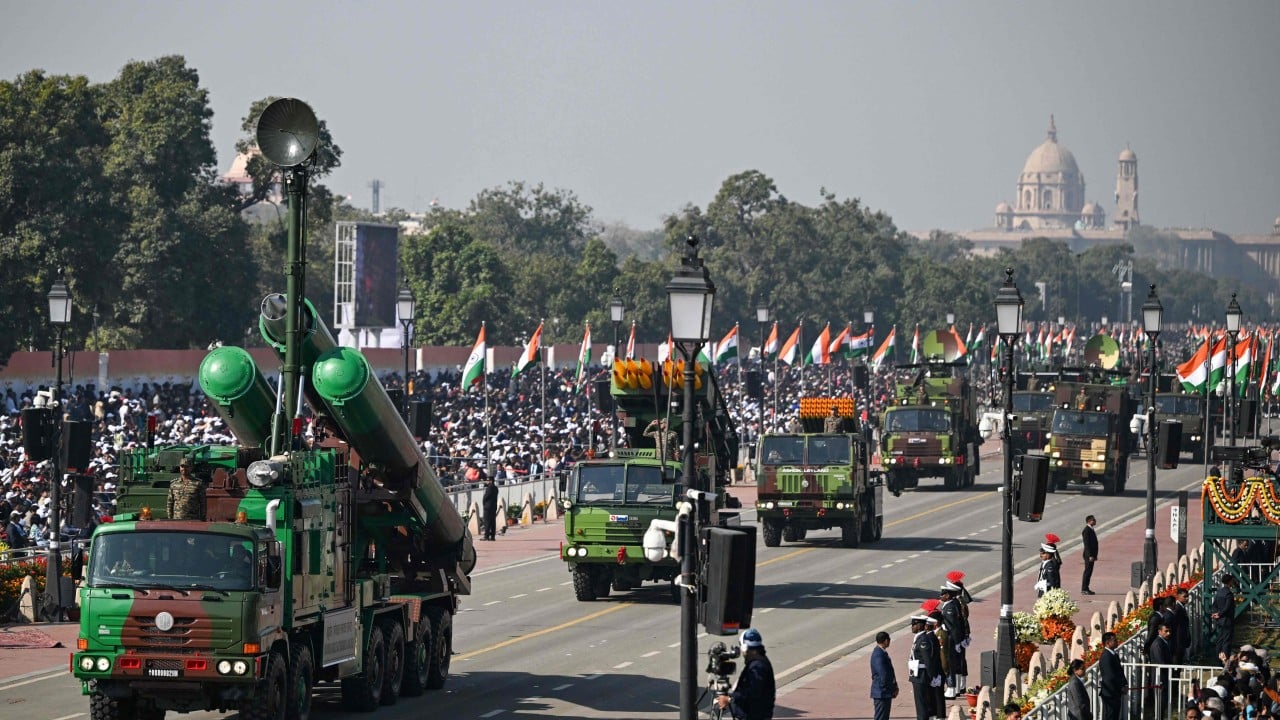
The BrahMos, a joint India-Russia venture, isn’t some cheap knock-off. It’s a supersonic monster, designed to pack a serious punch against naval targets — and land-based infrastructure. For Vietnam, perpetually uneasy about its gargantuan northern neighbor, getting its hands on such a weapon system offers a genuine, much-needed boost to its coastal defenses. “Diversifying our defense portfolio is essential for national security,” Lieutenant General Le Trung Dung, a senior official within Vietnam’s Ministry of National Defense, confirmed in a rare comment. “India’s technology offers an effective deterrent, strengthening our resolve without relying on a single major supplier. It’s pragmatic, really.” And pragmatic defense procurement often makes for very interesting regional alignments, wouldn’t you say?
Because, make no mistake, this isn’t solely about Vietnam or Indonesia acquiring shiny new toys. This is India subtly—or perhaps not so subtly—challenging the long-standing defense supply chains that have characterized the region for decades. And while Russia remains a key partner in BrahMos’s development, India is clearly looking to assert its own arms-producer credentials. Delhi’s defense exports, once a trickle, have seen a rather dramatic uptick, climbing by an eye-popping 334% over the last five years, according to data from the Stockholm International Peace Research Institute (SIPRI). That’s not just a statistical blip; it’s a determined pivot towards becoming a defense manufacturing powerhouse.
The outreach to Southeast Asia’s maritime nations, particularly the Muslim-majority Indonesia—a geographically critical archipelago with significant naval needs—highlights a broader, more nuanced strategy. India isn’t just focused on its land borders or its direct rivalry with Pakistan. (Though, trust me, every strategic move India makes, its western neighbor is watching, and vice versa.) This maritime push is about projecting power, building alliances, and establishing a presence in crucial global shipping lanes, where China’s influence is continually expanding.
They’re thinking beyond immediate threats. They’re thinking long-game. These deals serve to deepen India’s economic and strategic ties with nations that, like Delhi, are navigating complex geopolitical waters, often caught between the gravitational pull of Washington and Beijing. And they don’t want to get swallowed up. India offers an alternative, a non-aligned-ish third way for those who wish to maintain some semblance of autonomy.
What This Means
This isn’t just about selling missiles; it’s about shifting the regional balance of power, plain — and simple. Economically, these high-value defense exports inject significant capital into India’s growing domestic defense industry, fostering job creation and technological innovation. It also helps reduce India’s own reliance on external suppliers by expanding its manufacturing base. Politically, the deals position India as a credible security provider, especially for countries seeking to bolster their maritime defenses in the South China Sea without overtly provoking Beijing. It establishes a kind of security architecture, independent of U.S. or Chinese dominance.
But the ramifications stretch further, you see. For Pakistan, India’s burgeoning arms industry, particularly the export of advanced weaponry to nations within its strategic periphery (or countries they might wish were), could intensify the regional arms race. And because India is actively developing these strong bonds across Southeast Asia, often through defense diplomacy, it subtly curtails China’s exclusive sphere of influence. Consider the optics: a rapidly ascending South Asian power is now actively arming neighbors wary of Beijing, right in Beijing’s backyard. It creates an interesting dynamic for the region, forcing everyone to rethink established assumptions about alliances and capabilities. You can link this dynamic to other major power plays unfolding, like Moscow’s calculated gambits on the global stage, where shifting alliances and defense posturing dictate much of the diplomatic conversation. What used to be predictable? That’s all gone now. Every nation’s a player, trying to secure their own patch of influence.
These arms transfers cement India’s standing as a non-Western counterweight in a multipolar world. It’s a calculated move designed to diversify economic ties, enhance strategic depth, and offer countries a broader range of partners for critical national security needs. It means more complicated equations for everyone trying to understand the next big conflict or partnership. And it makes for far more compelling headlines. Just saying.