

D.C. Deja Vu: House GOP Forces Border Fight Into Defense Bill
POLICY WIRE — Washington, D.C. — It’s déjà vu all over again for Capitol Hill, only this time the stakes feel—well, let’s just say ‘elevated.’ House Republicans, steered by Speaker Mike Johnson,...

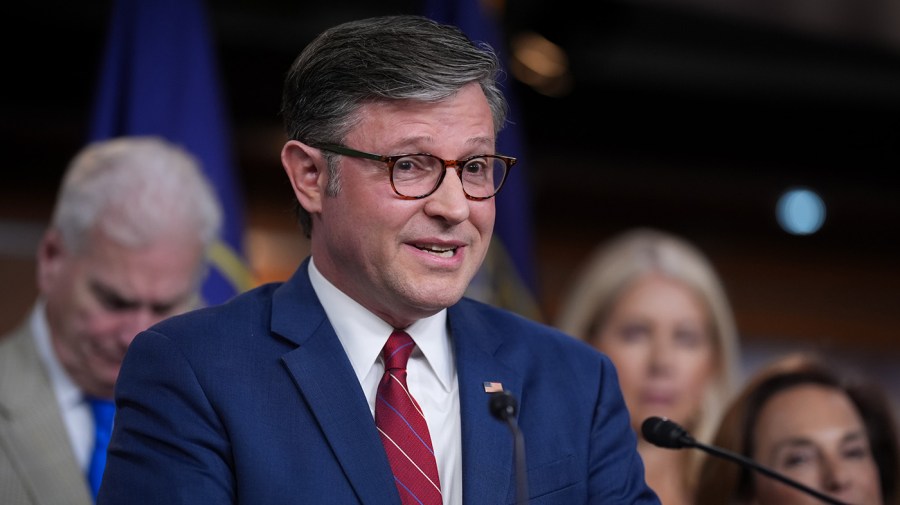
POLICY WIRE — Washington, D.C. — It’s déjà vu all over again for Capitol Hill, only this time the stakes feel—well, let’s just say ‘elevated.’ House Republicans, steered by Speaker Mike Johnson, aren’t merely proposing policy; they’re engineering a high-stakes legislative collision. Their plan to shackle the contentious SAVE America Act—a border security and immigration reform package—to the essential National Defense Authorization Act (NDAA) sailed through a key House panel this week, practically daring the Senate and White House to blink first.
This isn’t just bureaucratic maneuvering; it’s a political battering ram, aimed squarely at President Biden’s administration and congressional Democrats. You see, the NDAA isn’t just any bill; it’s one of the few pieces of legislation considered practically sacred. It funds our military, sets defense policy for the year, and pretty much passes on a bipartisan basis every single time. So, folding a divisive border measure into it? That’s not just bold, it’s a gamble that could force a government shutdown just as lawmakers thought they’d finally cleared a path to budget stability.
“We’re past due on securing our borders, and I won’t apologize for using every legislative tool we have to achieve that,” Speaker Johnson told reporters, a flicker of steely resolve in his eye. “The American people expect us to protect this nation, — and that includes defending our sovereignty. They don’t want their hard-earned money spent funding a broken system.” And you can almost hear the applause from the Freedom Caucus contingent he’s been working so diligently to appease.
But the Democrats? They’re not buying it. “To weaponize the annual defense bill, threatening our servicemen and women with uncertainty, just to score political points on immigration, is irresponsible,” retorted Representative Alexandria Ocasio-Cortez (D-NY), speaking to a cable news outlet. “It’s a cynical attempt to hijack necessary legislation, putting our national security—and frankly, the stability of governance—at risk for partisan gain.” She’s got a point. This move transforms a consensus bill into a fiscal cliff-hanger.
Because let’s be honest, tying everything up like this can really mess with people’s lives. It doesn’t just halt funding; it freezes processes, creates uncertainty. In a global landscape already rife with volatility, U.S. political dysfunction resonates far beyond its borders. Just ask diplomatic missions in capitals like Islamabad. When the U.S. government looks shaky on funding its own military, or on basic operations due to internal feuding, it’s not just a domestic headline—it’s a cause for concern for allies, partners, and adversaries alike, potentially complicating delicate discussions from trade to counter-terrorism efforts with countries like Pakistan, who closely watch shifts in U.S. legislative priorities and capabilities. Such delays could, for instance, slow processing times for U.S. visas, affecting hundreds of thousands annually who apply from South Asian nations for family, work, or educational purposes.
The SAVE America Act itself, despite its patriotic moniker, is far from universally loved. It seeks to curb federal funding to NGOs aiding migrants, mandates stricter asylum standards, and beefs up border enforcement capabilities. Proponents argue it’s about regaining control. Opponents see it as a cruel attack on vulnerable populations, likely to provoke constitutional challenges. Merging it with the NDAA practically guarantees a fight that could make past budget battles look like pleasant tea parties. History, after all, isn’t always kind to legislative hostage situations.
And then there’s the inconvenient truth: The vast majority—around 80 percent, according to a recent analysis by the Congressional Research Service—of NDAA bills ultimately pass both chambers and become law. To intentionally jeopardize that track record, especially in an election year, means Johnson’s play here is either extraordinarily shrewd, or profoundly miscalculated. Only time will tell which, but expect plenty of drama as it unfolds. The next few weeks are going to be a legislative street brawl.
What This Means
This maneuver isn’t just about border policy or defense spending; it’s a pure power play. For Speaker Johnson, it’s a test of his ability to unify a fractured House Republican caucus and deliver on conservative priorities. Successfully attaching the SAVE America Act, even partially, to the NDAA would be a significant victory for his speakership and a clear message to his base that he’s fighting for border security. It effectively leverages the indispensability of defense funding as a bargaining chip for a highly partisan issue.
Economically, prolonged uncertainty or a government shutdown due to this impasse would ripple through defense industries and federal agencies. Think contract freezes, delayed payments, — and general instability. Politically, it deepens the partisan chasm in Washington, making any future bipartisan efforts even harder. For international partners, particularly those in sensitive regions like South Asia and the Muslim world, consistent U.S. leadership — and predictable policy are paramount. Seeing Washington tied in knots over internal squabbles like this can foster cynicism, making U.S. diplomatic overtures or security partnerships—even with nations like Pakistan—appear less reliable. It essentially broadcasts instability, not strength. If the strategy fails and triggers a shutdown, it could severely damage Johnson’s standing; if it succeeds in forcing concessions, it establishes a potent, albeit risky, precedent for future legislative battles.