


Congo’s Silent Scourge: How Hunger Fuels Ebola’s Grim Path
POLICY WIRE — Kinshasa, DRC — The whisper of death often arrives not with a fanfare of scientific breakthroughs or diplomatic declarations, but in the mundane, agonizing quest for dinner. For...

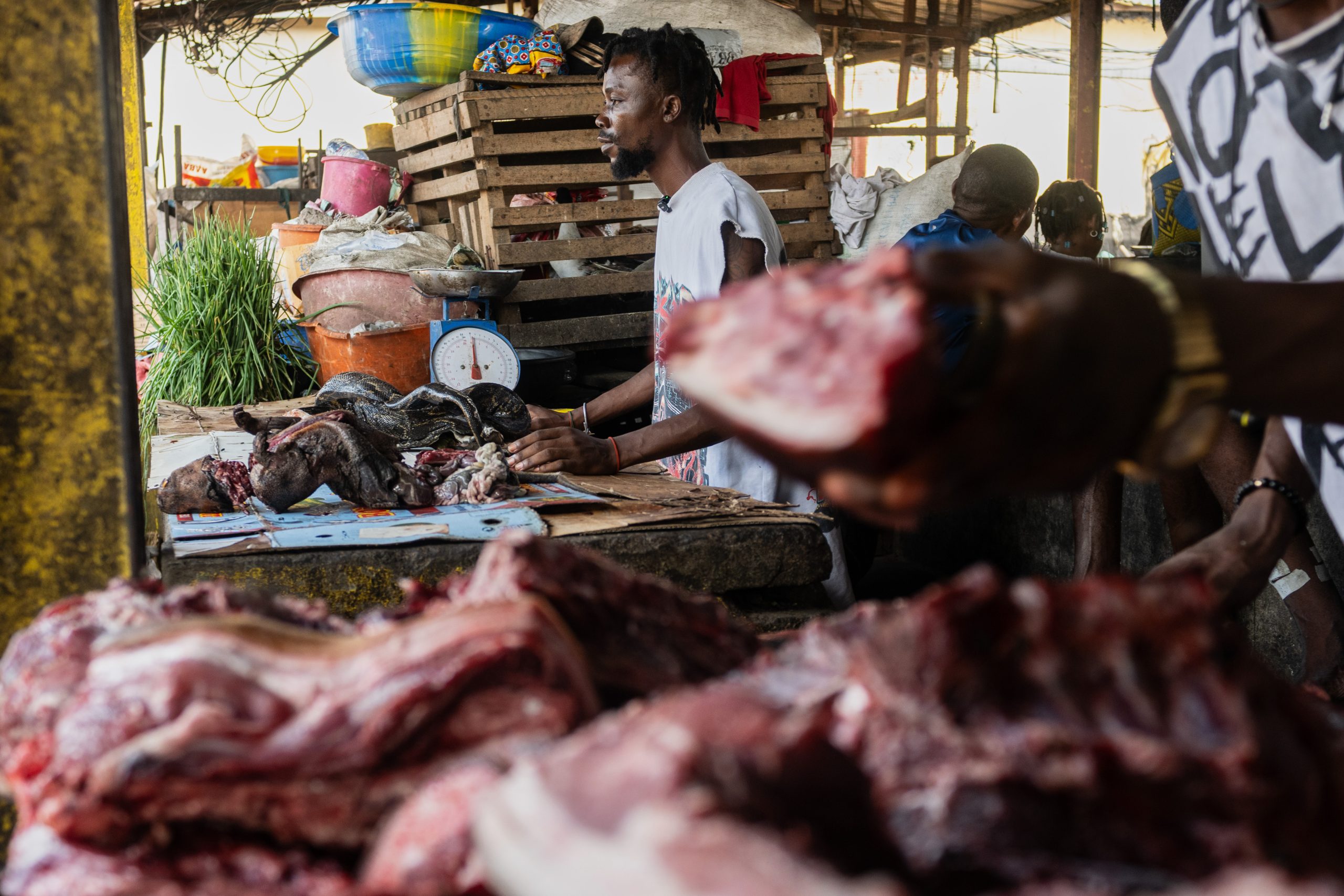
POLICY WIRE — Kinshasa, DRC — The whisper of death often arrives not with a fanfare of scientific breakthroughs or diplomatic declarations, but in the mundane, agonizing quest for dinner. For millions living on the razor’s edge in the Democratic Republic of Congo, a meal can mean the difference between life and oblivion. And sometimes, it’s exactly the latter. Folks are hungry; they’re hunting. What they catch, they eat. It’s an age-old equation. But this simple act now carries a lethal multiplier: Ebola.
It’s not headline news for most of us in the comfort of our brightly lit grocery stores, but deep within Congo’s forests, the brutal realities of survival intersect with microbiology, creating a public health nightmare. The latest skirmish with the virulent hemorrhagic fever isn’t just a medical emergency. No, it’s a devastating economic spiral, a test of global policy will, — and a raw look at human desperation. Local populations, battered by poverty and conflict—the kinds of things that make college sports’ “brutal economy” look like child’s play—turn to wild animals, or bushmeat, as a primary protein source. Sometimes, their only protein source.
But those creatures, often primates, bats, — and forest antelopes, are carriers. They’re nature’s unwitting vectors for pathogens like the Zaire ebolavirus. People aren’t willfully ignoring warnings; they’re simply trying to live. You don’t tell a starving person to wait for a government handout that might never come. You just don’t.
Dr. Tedros Adhanom Ghebreyesus, Director-General of the World Health Organization, didn’t pull any punches during a recent briefing. “We can’t just tell people to stop eating; we must provide viable, accessible, — and affordable alternatives. It’s about preserving dignity as much as it’s about containing disease. And frankly, we haven’t done enough of that yet.” It’s a stark admission from the head of the global health body—an admission of a deeper failure beyond the clinical. But who’s really listening? Who’s acting on that?
And because these traditions run so deep, woven into the fabric of communal life, they’re fiercely defended. Trying to stamp out bushmeat consumption without addressing the systemic hunger fueling it’s a bit like trying to bail out a sinking ship with a thimble while ignoring the gaping hole. It’s ineffective. It’s short-sighted. It’s a waste of everyone’s time — and money.
The World Health Organization notes that case fatality rates for Ebola outbreaks have historically averaged around 50%—a chilling figure that makes every single potential exposure a terrifying gamble with unimaginable odds. Imagine flipping a coin, knowing if it lands wrong, you’re likely gone. That’s the real gamble being taken by individuals simply seeking nourishment.
Even for policymakers far from the Congo, the ripples are felt. Nations like Pakistan, thousands of miles away, find their policymakers grappling with implications — not just of disease containment, but of the ripple effects on global food security and supply chains. They’ve got to watch these things, especially with their own dense urban centers and cross-border movements that could, hypothetically, act as launchpads for distant pathogens.
“Our people face an impossible choice sometimes, — and the world just watches,” lamented Dr. Jean-Jacques Mbungani Mbanda, a former Congolese Health Minister (speaking on background, of course, reflecting years of frustration). “Development — and security aren’t luxuries for us; they’re our first lines of defense against epidemics. Without them, we’re constantly on the back foot. Always. It’s draining.”
What This Means
This isn’t merely a health crisis isolated to Central Africa; it’s a symptom of deeper geopolitical and economic dysfunction with far-reaching consequences. For one, global supply chains, already brittle (as Beijing’s factory floor fizzle demonstrated during past disruptions), could see renewed strain. Any prolonged outbreak mandates severe travel restrictions, impacting trade — and economic stability. Consider the implications for commodity prices, resource extraction in the region, — and even humanitarian aid efforts. Politically, the situation strains fragile governments, providing fodder for extremist groups and exacerbating existing internal conflicts, because who trusts a government that can’t even ensure basic sustenance without putting its citizens at lethal risk? Donor fatigue, a perennial challenge, looms large too. And for many Muslim-majority nations, particularly in South Asia with strong trade ties to various African regions, questions around meat import regulations and food safety protocols will only intensify. They’re scrutinizing sources, ensuring halal compliance—a health measure, yes, but also a matter of faith and cultural practice that gains new weight in the face of such a biological threat. The world has got to ask itself: how many times will we let hunger and disease chase each other’s tail before we get serious about addressing the root causes?