


Concrete Gravestone: Collapsed Overpass Highlights Crumbling Public Faith in Infrastructure
POLICY WIRE — CITY, COUNTRY — It wasn’t the steel that groaned or the carefully placed charges that shook the dawn. No, it was the sound of indifference, years of it, crashing down with deadly...

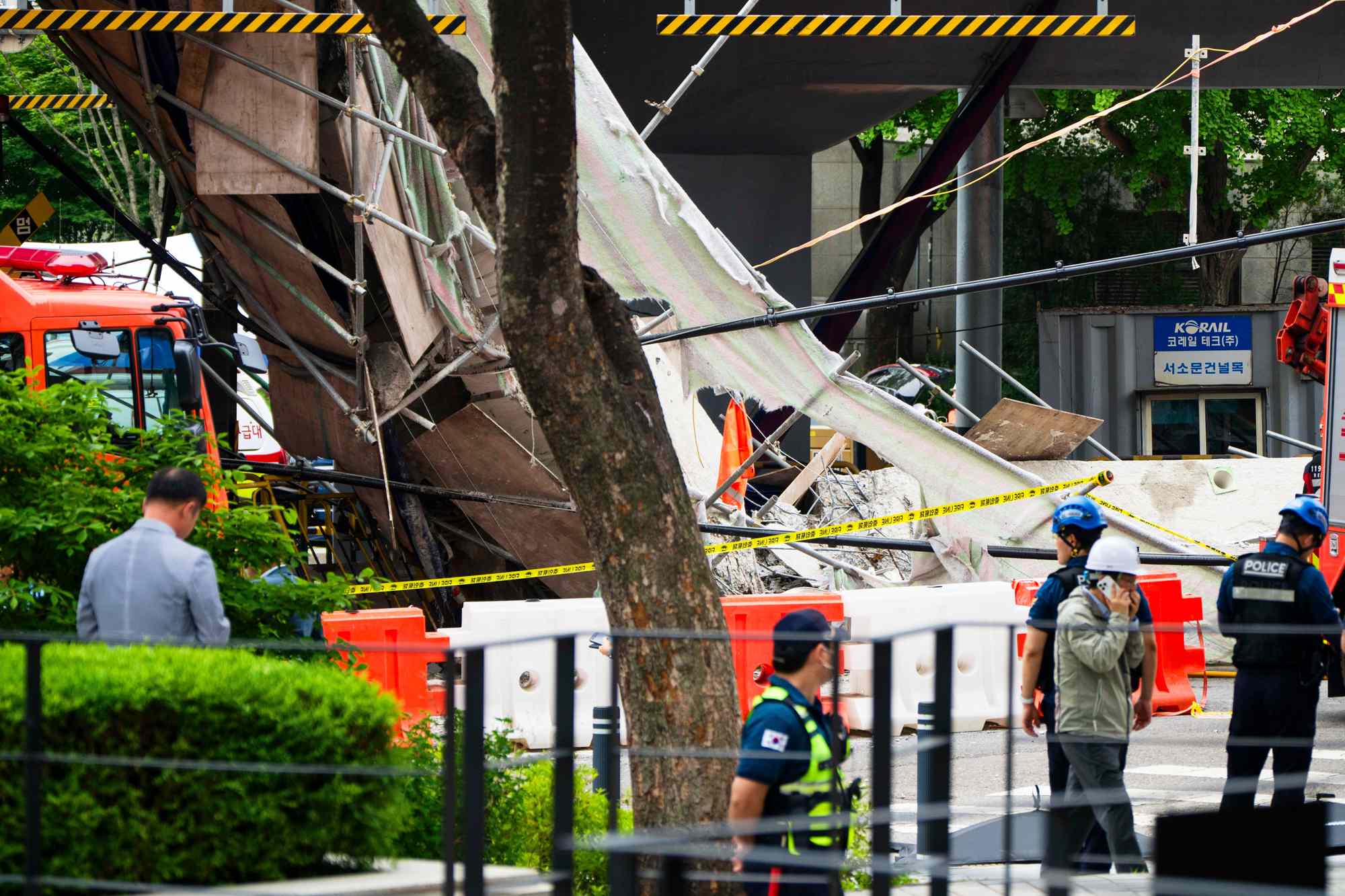
POLICY WIRE — CITY, COUNTRY — It wasn’t the steel that groaned or the carefully placed charges that shook the dawn. No, it was the sound of indifference, years of it, crashing down with deadly finality. The planned demolition of a decades-old highway overpass here devolved into a sudden, gruesome tragedy, claiming three lives and injuring three others not with a bang, but with an unplanned, sickening crunch. The site, intended for phased deconstruction, became a tomb—a concrete gravestone for those who’d trusted the plans, the engineers, or maybe just the inherent stability of a world that, increasingly, seems to be losing its footing.
And so, we’re left with the grim arithmetic: three families shattered, three more reeling from injury, all because a structure designed to last beyond a human lifetime couldn’t even manage a controlled exit. Officials are, predictably, calling for immediate investigations. Mayor Evelyn Hayes, visibly shaken during a terse press conference, stated, “This isn’t just an accident; it’s an indictment. We owe it to the victims to understand precisely what failed—the structure, the planning, or the oversight. And rest assured, we’re gonna get to the bottom of this mess.”
It’s easy to point fingers after the fact, isn’t it? To demand accountability when the dust has settled—both literal and figurative. But this wasn’t some inexplicable force of nature. This was an aged concrete — and steel behemoth, scheduled for demolition, suggesting its time was up. Yet, the question gnaws: what were the assumptions about its integrity *before* it was deemed ready for removal? What were the hidden stresses, the deferred maintenances, the budget cuts that paved the way for such a catastrophic denouement?
Because, for every bridge or highway that quietly rusts away, for every water pipe leaking unnoticed beneath Main Street, there’s a slow decay of public trust. This particular structure, like so many across the nation, represented a bygone era of American ingenuity, sturdy yet aging into obsolescence. The American Society of Civil Engineers’ 2021 Infrastructure Report Card, for instance, noted that a staggering 42% of all U.S. bridges are at least 50 years old—a sobering statistic when you consider the escalating risks. But knowing the numbers doesn’t soften the impact of them turning into headlines.
But the problem isn’t isolated to our aging domestic networks. Across the globe, particularly in rapidly developing regions like Pakistan, there’s a delicate, often dangerous, dance between infrastructure ambitions and the gritty realities of construction safety. Projects there, often spearheaded by foreign investment, push boundaries. We see magnificent new highways, dam projects, and ports rising, but the human cost, especially regarding labor safety standards, sometimes becomes a whispered, or in cases like this, a shouted, casualty. The underlying theme is universal: the urgent push to build or rebuild can, regrettably, sometimes overshadow the fundamental requirement for structural soundness and worker protection.
Senator Mark D’Angelo, a ranking member on the Senate Infrastructure Committee, weighed in from Washington, lamenting, “These are the kinds of incidents we’ve been trying to prevent with historic infrastructure investment. It’s a tragic reminder that it’s not just about building new, it’s about making sure what’s already there doesn’t come down on people’s heads. Our competitiveness and our citizens’ very safety depend on our willingness to make these hard investments, year in, year out.” He’s not wrong, of course, but for three people, that willingness came too late.
The wreckage isn’t just twisted metal — and splintered concrete. It’s a vivid, brutal metaphor for the gaps in our planning, the lapses in our vigilance, and the enduring challenge of maintaining a nation—or any nation—that seems increasingly intent on building grand castles while neglecting the foundations.
What This Means
The immediate political fallout from this collapse will focus, predictably, on liability. Expect local and state agencies to scramble for distance, assigning blame to the demolition contractor, the engineers, or the inspectors—anyone but themselves. This incident could catalyze increased scrutiny on existing demolition contracts and a temporary slowdown in similar projects, particularly those involving aged infrastructure near active thoroughfares or populated areas. Economically, insurance rates for heavy construction and demolition firms are likely to tick upwards, adding another hidden cost to an already expensive endeavor: rebuilding our aging bones. this serves as a stark reminder to federal lawmakers that rhetoric on infrastructure investment, however well-intentioned, doesn’t translate into structural integrity overnight. It takes diligent, often unglamorous, monitoring — and repair. For the public, it reinforces a gnawing suspicion that our institutions aren’t quite keeping pace with decay, leaving citizens, literally, underneath a precarious, unpredictable future. It’s not just a collapse; it’s a crack in confidence.