


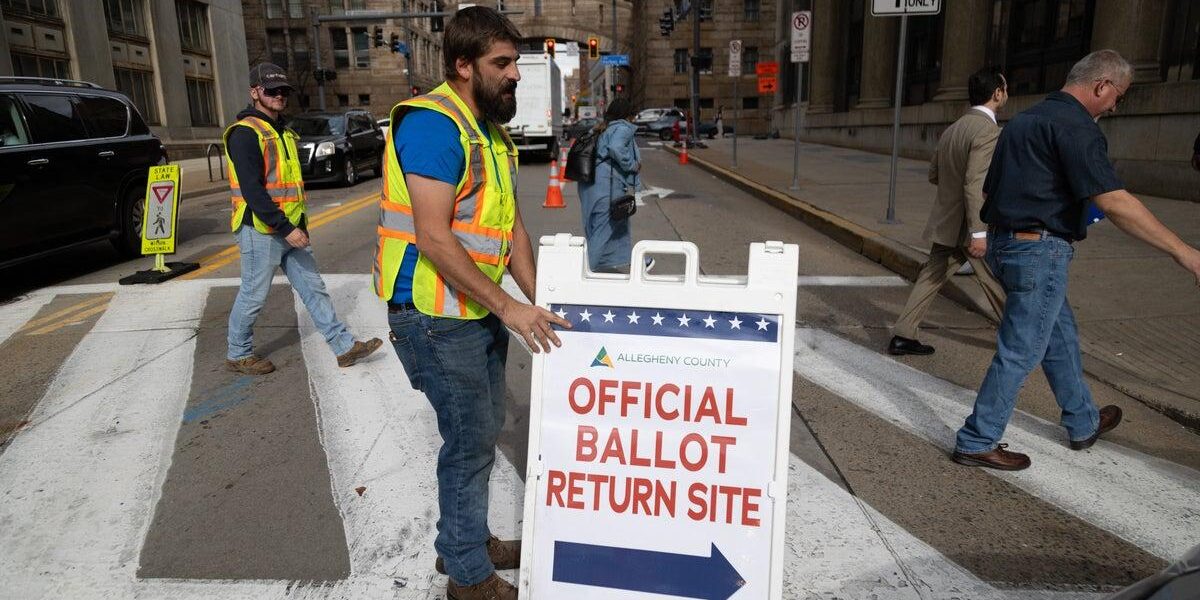
California Primaries: Nearly 150,000 Mail-In Ballots Rejected
California rejected nearly 150,000 mail-in ballots during the primaries. Discover the implications and reasons behind this significant disenfranchisement.

POLICY WIRE — Sacramento, CA — During the recent California primaries, nearly 150,000 mail-in ballots were rejected, raising concerns about voter disenfranchisement and the integrity of the electoral process. The uncounted ballots represent a significant portion of the total votes cast, although specific details on the reasons for rejection were not provided.
The state’s election officials confirmed the number of rejected ballots but didn’t offer a breakdown by party registration or specific reasons for the rejections. Common reasons for mail-in ballot rejections typically include missing or incorrect signatures, late arrivals, and failure to follow instructions.
The high number of rejected ballots has prompted calls for a thorough review of the mail-in voting process to ensure that eligible voters are not unduly disenfranchised. Advocacy groups and political parties are expected to scrutinize the data further to understand the impact on the election outcomes.
“It’s crucial that we maintain the highest standards of election integrity and ensure that every eligible vote is counted,” said a spokesperson for a local election watchdog group. “We need transparency — and accountability in this process to maintain public trust.”
The rejected ballots could have influenced the outcomes in several close races, although the exact impact remains unclear without further analysis. Election officials are now under pressure to provide more detailed information on the rejections to address public concerns.
📄 POLICY WIRE WHITEPAPER PUBLISHED: PAKISTAN’S NATIONAL SECURITY POLICY PRIORITIES
As the state moves forward, there are likely to be calls for reforms to improve the mail-in voting process, including better voter education, clearer instructions on ballot requirements, and more robust systems for tracking and verifying mail-in ballots.
Reporting by Policy-Wire (PW)