


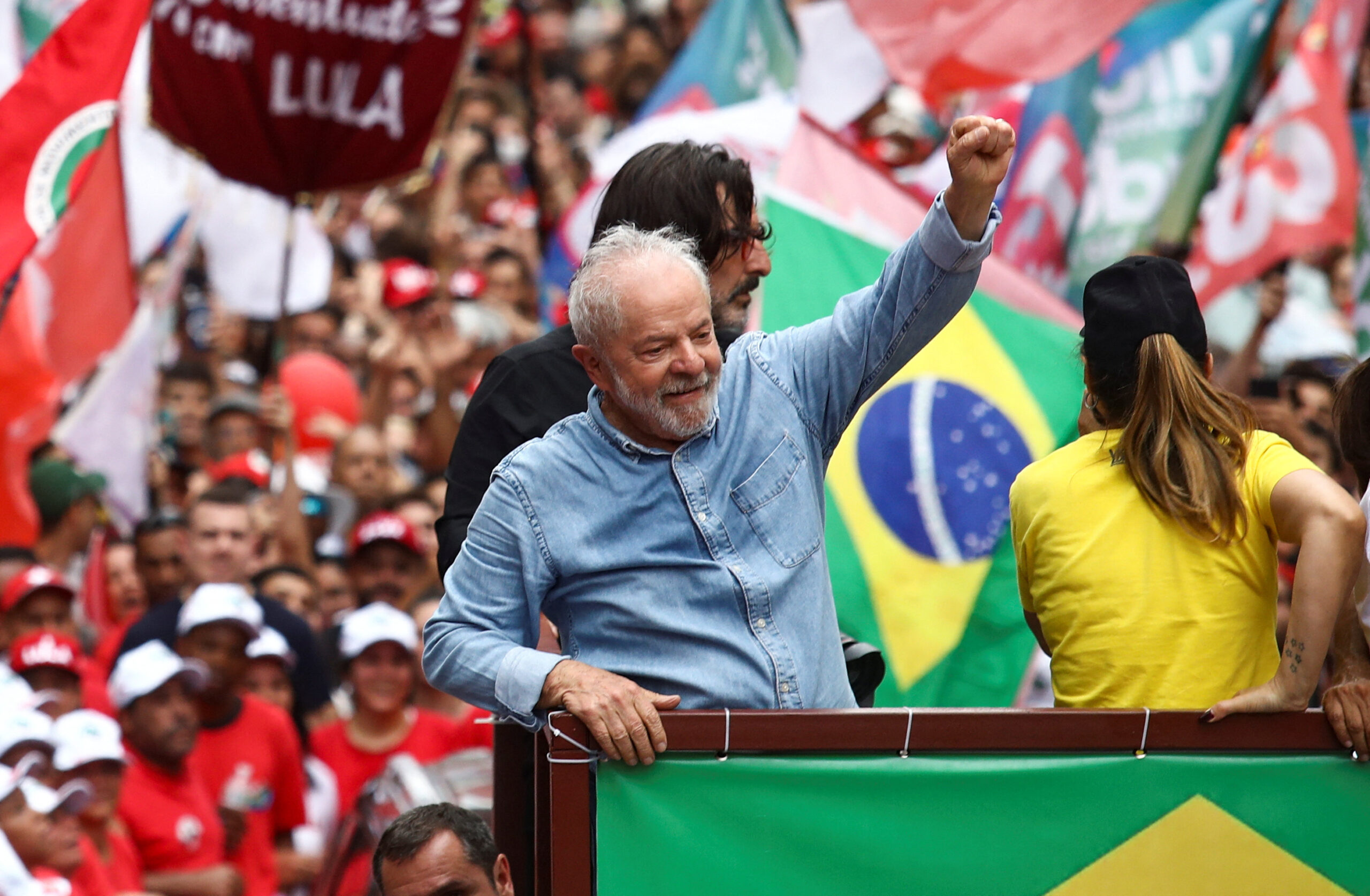
Brazil’s Economic Hurdles: Five Critical Challenges Facing President Lula
President Lula faces a complex economic landscape in his fourth term. Explore the five structural challenges, rising debt, and fiscal pressures in Brazil.

POLICY WIRE — São Paulo, Brazil — As President Luiz Inácio Lula da Silva prepares for his unprecedented fourth term beginning in January, he faces a daunting array of economic obstacles. Despite recent performance that exceeded initial expectations, the nation is grappling with deep-seated structural issues that threaten to impede future growth.
A primary concern for the administration is the rapid expansion of public debt, which has climbed by more than 10 percentage points during the current term to exceed 82% of GDP. This surge has significantly increased borrowing costs, further tightening the government’s fiscal maneuverability.
Budgetary flexibility is also being squeezed by rising mandatory expenditures, leaving little room for the president to implement his desired policy agenda. These fiscal constraints are compounded by high interest rates and persistent inflation, both of which continue to weigh heavily on the debt levels of households and businesses alike.
Beyond domestic fiscal management, the administration must navigate a polarized political environment and an often uncooperative Congress. Experts like Monica de Bolle have noted that these economic difficulties are entrenched, suggesting that the path to sustainable growth remains narrow regardless of the political climate.
The broader geopolitical context adds another layer of complexity, with the government forced to contend with external pressures and the potential for shifting international dynamics. As the economy slows under the weight of affordability concerns and high borrowing costs, the president’s ability to enact meaningful reform remains a central question for his upcoming term.
Reporting by Policy-Wire (PW)