


Beyond the Pitch: Juventus’s European Gambit Unmasks Women’s Football’s Economic Imperative
POLICY WIRE — Rome, Italy — Another match, another set of statistics meticulously logged in the annals of Serie A Women. But behind the mundane recitation of goal scorers and possession percentages,...

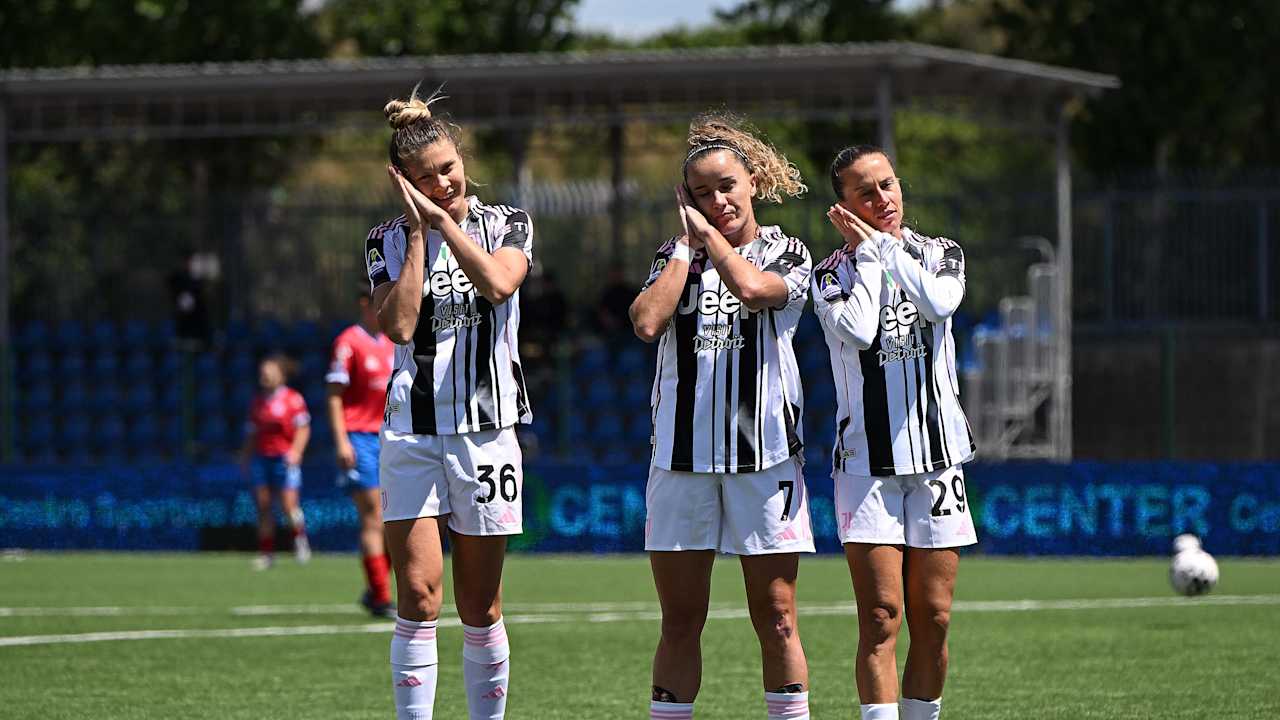
POLICY WIRE — Rome, Italy — Another match, another set of statistics meticulously logged in the annals of Serie A Women. But behind the mundane recitation of goal scorers and possession percentages, a deeper narrative unfurled in Campania last weekend. Juventus Women’s narrow triumph over Napoli wasn’t merely a contest for three points; it was a visceral battle for economic breathing room, for a sliver of Europe’s burgeoning — though still paltry — footballing wealth. In the often-overlooked skirmishes of women’s professional sport, a single qualification spot can mean the difference between sustainability and perpetual struggle.
Juventus, that storied Turin leviathan, secured their foothold in the race for the third UEFA Women’s Champions League berth, effectively consolidating their position above rivals. It’s a pursuit that, at its core, isn’t just about prestige; it’s about accessing the financial lifelines that allow clubs to invest, to attract talent, and to, well, simply exist within the cutthroat landscape of modern football. Napoli, conversely, found themselves once again on the wrong end of a familiar ledger, their inability to best the Old Lady now a recurring motif in their Serie A encounters.
Still, the stakes are undeniably higher than ever before. UEFA, recognizing the burgeoning commercial potential – and the political necessity – of gender equity in sport, has significantly upped the ante. The prize money distribution for the Women’s Champions League, for instance, saw an increase of over 400% for the 2021-22 season, escalating to a substantial €24 million from the prior €5.2 million pool. (Source: UEFA). A Champions League spot now offers more than just bragging rights; it’s a vital injection of capital into a segment of the industry still battling for equitable recognition and resources.
“This wasn’t merely a win; it was a strategic imperative,” shot back Maria Rossi, Juventus’s outspoken Sporting Director, when pressed on the broader implications of the victory. “Securing a vital foothold in Europe’s most lucrative competition – it’s fundamental to our project. Every single point matters when you’re building a truly sustainable future for these athletes and for the club.” Her words underscore a grim reality: even for a powerhouse like Juventus, the margins in women’s football remain distressingly thin. They’re not just playing for cups; they’re playing for viability.
And what of the vanquished? Napoli’s consistent inability to overcome Juventus — nine losses now etching a stark record — highlights not just a sporting disparity but an underlying structural one. The financial chasm between Italy’s elite clubs and those further down the pecking order is profound, and nowhere is it more acutely felt than in women’s football, where budgets are often a fraction of their male counterparts.
“The gap isn’t just on the scoreboard; it’s in the balance sheets,” conceded Elena Giordano, President of Napoli Women, with a weary sigh. “We’re fighting against institutional inertia and historical underinvestment, against clubs with decades of entrenched resources. But we’re not giving up; we can’t. The talent is here, the passion is here. We just need the infrastructure to match.” Her sentiments resonate far beyond the sun-drenched stadiums of Southern Italy.
Indeed, this struggle for recognition — and financial underpinning isn’t unique to Italy. In nascent women’s leagues across the globe, from the burgeoning efforts in Pakistan to the more established, yet still under-resourced, circuits in other Muslim-majority nations, the fight for every investment dollar, every sponsorship deal, and every broadcast hour mirrors the David-and-Goliath battles unfolding in Serie A. The success of a Juventus, or even the valiant struggle of a Napoli, can serve as both inspiration and cautionary tale for federations grappling with societal norms and economic constraints. They’re watching, wondering if the European model, for all its imperfections, can truly carve a path to global equity.
The Bianconere, for their part, have now strung together consecutive away wins for the first time this season, a statistic that, while seemingly minor, points to a developing ruthlessness required for Champions League contention. Paulina Krumbiegel’s impact — scoring just over a minute after coming on (with her first touch, no less) — wasn’t just a moment of individual brilliance; it was a stark reminder of the depth and strategic acumen that separates the contenders from the also-rans. Such instantaneous contributions are increasingly becoming non-negotiable in the upper echelons of the sport. It’s about maximizing every minute, every player, every euro.
What This Means
This match, seemingly just another fixture, provides a microcosm of the larger geopolitical and economic currents shaping women’s football. For Juventus, securing that Champions League spot isn’t merely about continental glory; it’s about a direct injection of capital that underpins salaries, youth development, and marketing efforts – essential elements for maintaining a competitive edge and attracting top international talent. It’s a fundamental economic driver for the club, a testament to how football’s seemingly trivial encounters often hold profound economic strategy.
Conversely, for clubs like Napoli, the consistent struggle against well-funded giants represents a desperate scramble for relevance and resources. Their battle isn’t just against opposing players; it’s against systemic underfunding and historical apathy, factors that perpetuate a significant gap in player development, coaching infrastructure, and ultimately, on-field success. The outcome dictates not just who wins the league, but which clubs can realistically aspire to professionalize further, which players get to pursue football as a genuine career, and which federations (like the Italian FA) must grapple with ensuring equitable growth across the entire league rather than just celebrating the successes of a privileged few. It’s a slow, arduous crawl toward parity, where every victory, however small, carries outsized significance.
Still, the trajectory is clear: women’s football is on an upward curve, albeit one rife with discrepancies. Nations from Pakistan to the Gulf states are slowly, tentatively, beginning to invest in women’s sports, often encountering cultural resistance and budgetary hurdles. The European model, for all its glaring financial inequalities, still serves as a blueprint – or at least a distant aspiration – for many. The hard-fought points earned by Juventus weren’t just for their league standing; they were a tiny, yet telling, footnote in the global narrative of women’s sports fighting for its rightful place, one hard-won match at a time.