


Beyond the Bars: New Mexico’s Reckoning with Intimate Partner Violence in the Courts
POLICY WIRE — Albuquerque, United States — It’s a stark, chilling pattern, etched into the court dockets and etched deeper still into the communities it devastates. We’re talking about the...

POLICY WIRE — Albuquerque, United States — It’s a stark, chilling pattern, etched into the court dockets and etched deeper still into the communities it devastates. We’re talking about the slow-grinding machinations of justice—or its elusive shadow—when domestic horrors spill into public view. But this isn’t just another tale of alleged violence confined to a New Mexico living room; it’s a policy dilemma, stark and unyielding, begging for deeper scrutiny.
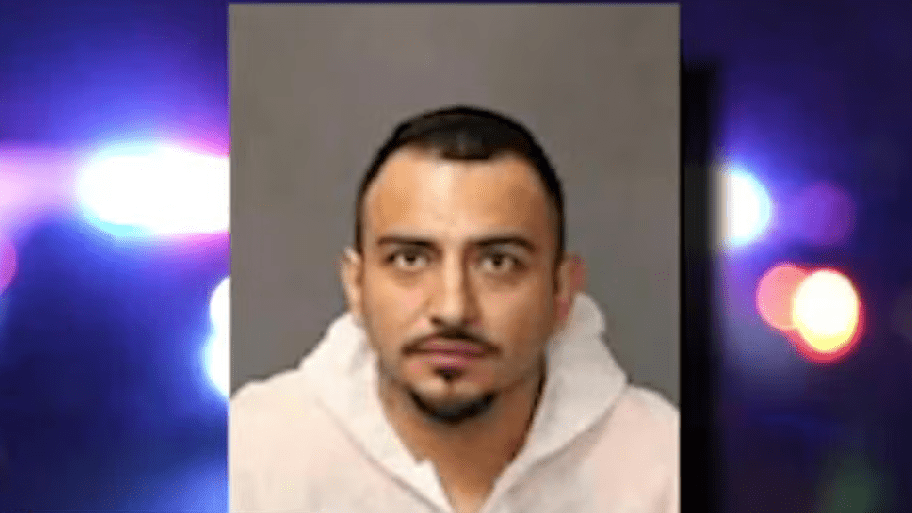
Because the courts, you see, rarely get the last word. Last week, a judge here in Albuquerque made a seemingly straightforward decision: James Candelaria, 33, accused of fatally shooting his girlfriend, Destiny Benavidez, won’t be seeing daylight outside of a detention center anytime soon. This ruling, while expected given the severity of the charges—Benavidez died from her injuries—kicks open a window onto a much larger, more confounding landscape of intimate partner violence, a terrain policymakers struggle to navigate effectively, globally. We’re not just talking about one tragic instance; we’re examining a system often overwhelmed, reactive instead of preventative.
Candelaria allegedly told police he blacked out after a night of drinking, conveniently—or perhaps genuinely, the courts will decide—erasing any memory of what happened inside that southeast Albuquerque home on Edith Street. Then he supposedly hid the firearm at a relative’s house. It’s an old script, this one, but it still sends a shiver down your spine: the perpetrator claiming amnesia, the chilling post-act composure, the attempted obfuscation. It’s a defense strategy as infuriating as it’s common, a recurring trope across disparate legal systems when trying to apportion blame for actions that simply beggar belief.
And let’s be blunt: This case isn’t unique. Not by a long shot. These kinds of fatalities, tragically, are depressingly frequent. In 2022, nearly half (48%) of all female murder victims in the United States were killed by a current or former intimate partner, according to the Bureau of Justice Statistics. It’s a figure that hardly budges year after year, a stubborn indictment of our collective inability to dismantle this insidious form of violence. But what does that number really mean for people like Benavidez, whose lives are cut short?
“We’re witnessing an epidemic of intimate partner violence, and frankly, our current legal frameworks and community resources—they’re strained, they’re often failing,” observed District Attorney Raul Mendoza, speaking off the record but plainly about the broader challenges faced by prosecutors statewide. “This isn’t just about punishment; it’s about breaking cycles, and that takes far more than just locking someone up.” It’s a sentiment echoed globally, from community centers in rural Pakistan fighting honor killings to urban crisis hotlines across Europe grappling with the hidden costs of domestic abuse.
Because while the immediate concern here is local justice for Benavidez, the ripple effects stretch far beyond state lines. Policies enacted—or ignored—in New Mexico contribute to a larger narrative that’s scrutinized in developing nations. Activists in South Asia, for instance, often draw parallels between the struggle for legislative reform in their countries and the continuous battle in Western nations against victim-blaming, lenient sentences, and systemic apathy. For instance, the very public discourse surrounding alleged intoxication as a mitigating factor in severe crimes resonates particularly in societies where similar cultural nuances or legal loopholes are often exploited to dilute accountability.
“Accountability is the bedrock of justice, regardless of how complex the circumstances may appear,” stated Judge Eleanor Vance, a veteran on the state’s bench, speaking at a recent conference on judicial reform. “It’s our solemn duty to ensure that egregious acts, especially those that devastate families and undermine public safety, are met with uncompromising resolve.” She added, with a slight nod, that the judiciary often finds itself wrestling with the ‘human element’—the raw, often unseemly realities of human behavior—while trying to uphold the law’s impartial ideal.
What This Means
This tragic episode in Albuquerque isn’t just local news; it’s a mirror reflecting persistent national policy failings in addressing intimate partner violence. Economically, these crimes carry immense hidden costs—from healthcare expenditures for victims to lost productivity and strained public services. Politically, the regular occurrence of such tragedies underscores the limitations of existing domestic violence prevention programs and legislative measures. There’s a constant legislative push-pull between protecting individual liberties and imposing stricter preventative interventions—like red flag laws, for instance—which could, theoretically, remove firearms from volatile situations before they erupt.
But the social implications are even heavier. When cases like Candelaria’s draw headlines, they chip away at societal trust. They also highlight critical gaps in mental health and substance abuse support systems, particularly those intertwined with violent behaviors. Policymakers can’t merely react to these incidents; they’ve got to invest in a proactive, multifaceted approach: better screening, more robust support networks for potential victims, and aggressive perpetrator accountability, not just incarceration, but comprehensive intervention programs. And it’s a conversation that resonates with policymakers even in far-flung locales—from Islamabad to Istanbul—grappling with gender-based violence that refuses to be tamed by simple edicts. Because when violence erupts in a home, the failure isn’t just personal; it’s profoundly public, demanding a unified, policy-driven response.