

Beyond Mountains and Culture: KP Emerges as a Mineral Powerhouse
Khyber-Pakhtunkhwa (KP), often known for its mountains, culture, and hospitality, is now increasingly gaining recognition for something far more valuable-its vast and largely untapped mineral wealth....

Khyber-Pakhtunkhwa (KP), often known for its mountains, culture, and hospitality, is now increasingly gaining recognition for something far more valuable-its vast and largely untapped mineral wealth. Beneath its rugged terrain lie some of the richest deposits of minerals that could help shape the economic future of the region and the country. From the dazzling Swat emeralds to billions of tons of granite and a wide range of metallic minerals, KP is emerging as a mineral powerhouse that deserves national and global attention.
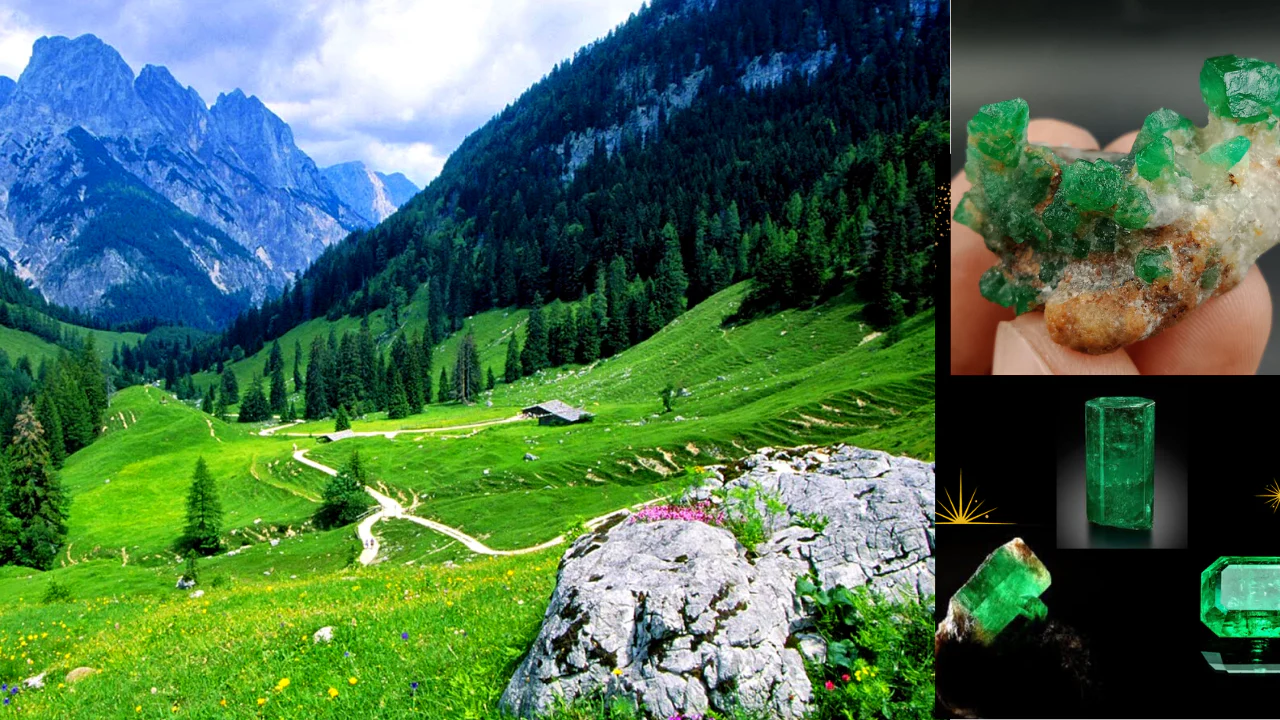
The Swat Valley is famous for its natural beauty, but very few people know that it is also home to some of the finest emeralds in the world. These green gems, known for their brilliant color and clarity, have been compared to the Colombian emeralds, which dominate the international market. The Swat emerald mines produce stones that are not only high in quality but also in demand across jewelry markets worldwide. In fact, gem traders from Bangkok, Dubai, and even Europe have shown increasing interest in sourcing directly from Swat. These mines are not only a source of pride but also a source of income for many families in the region, offering employment opportunities to local communities and boosting small-scale trade.
Granite is another hidden gem-though not quite as glamorous-lying in abundance across KP. The province is estimated to have over 3 billion tons of granite, spread across several districts including Mansehra, Abbottabad, and Mohmand. Granite is widely used in construction, from countertops to building facades, and demand for it continues to rise both locally and internationally. If properly managed and marketed, the granite reserves of KP can significantly reduce imports and may even turn the region into an exporter of stone products. This could lead to an increase in revenue, job creation, and overall economic growth.
Limestone is another key resource in KP’s mineral portfolio. The province’s limestone reserves are not only vast but are also of high quality, supporting the operations of seven large cement plants. Cement is one of the most important construction materials, and its production plays a crucial role in infrastructure development. With rising demand for housing, roads, and industrial construction, the local availability of limestone means lower costs and higher efficiency in cement production. The cement sector in KP is also one of the major employers and tax contributors, indicating how natural resources, when used wisely, can uplift both industry and the public.
In a recent development, five new mineral blocks have been auctioned, opening doors for further exploration and investment. These blocks are part of a broader strategy to attract both national and foreign investors to KP’s mineral sector. The transparent and competitive auction process is meant to ensure that the best technology and practices are used for extraction, while also safeguarding the rights and livelihoods of local communities. This is a positive step toward formalizing the mining industry, which has often operated in informal or poorly regulated conditions.
Geo-chemical surveys recently carried out in the Malakand and Chitral regions have added another layer of excitement to the mineral story. These surveys have revealed strong metallic mineral potential, including copper, lead, and zinc. Copper, in particular, is an important industrial metal used in electronics, construction, and renewable energy technologies. With global demand for copper expected to increase due to the green energy transition, KP’s emerging copper reserves can be a strategic asset. Exploration is already underway, and early signs point to promising results.
To understand the full potential of KP’s mineral resources, one must also consider the wider economic impact. Mining creates jobs, both directly in extraction and indirectly in supporting industries like transport, equipment, and logistics. For instance, the Swat emerald trade alone employs hundreds of people in mining, sorting, cutting, and trading. If similar development models are applied to other minerals like granite and copper, thousands of jobs could be created across the province.
Moreover, the development of the mining sector can lead to better infrastructure in remote areas. Roads, schools, and hospitals often follow investment, and mining companies can be encouraged or required to contribute to social development under corporate social responsibility (CSR) policies. This means that mineral wealth can benefit not just investors but also ordinary citizens.
📄 POLICY WIRE WHITEPAPER PUBLISHED: PAKISTAN'S NATIONAL SECURITY POLICY PRIORITIES
👉 READ BY CLICKING HEREIt is equally important to highlight that KP’s natural resources must be managed carefully. Environmental protection, community rights, and safety regulations need to be enforced to ensure sustainable development. Illegal mining and over-extraction can damage landscapes, pollute water sources, and harm ecosystems. However, with strong governance and modern mining practices, these risks can be minimized. What is needed is a long-term strategy that balances economic growth with environmental sustainability.
The future of KP’s mining sector looks promising. With increasing government focus, international interest, and a wealth of natural resources waiting to be explored, the province stands at the threshold of a new era. Investments in technology, training, and infrastructure will be crucial to unlocking the full value of this mineral potential.
In the coming years, KP can shift from being just a tourist attraction to becoming a center for mining excellence in South Asia. It has all the ingredients-natural resources, skilled manpower, and geographical advantage-to make this transformation. All it needs now is the right mix of policy, investment, and community engagement.
Khyber-Pakhtunkhwa’s mineral riches are more than just stones in the ground; they are the building blocks of a brighter, stronger economic future. With careful planning and bold action, KP can truly turn its hidden treasures into shared prosperity.
Author