


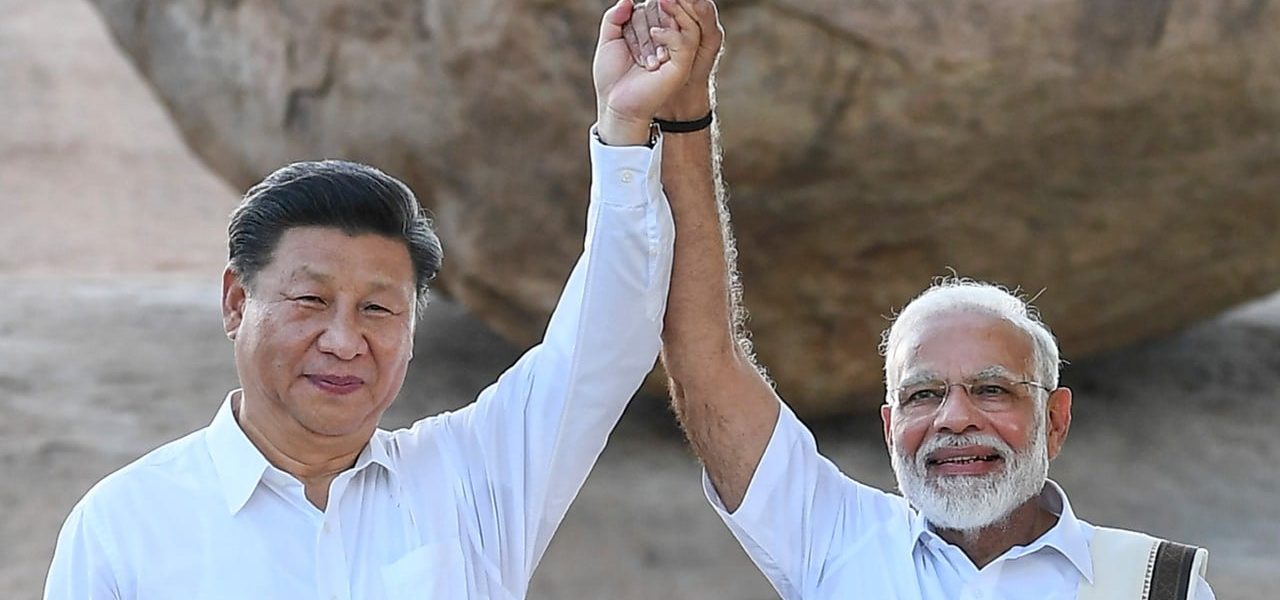
Beijing and Delhi’s Tense Thaw: A Nod, Not a New Beginning, Policy Wire Reports
POLICY WIRE — Washington D.C., USA — Forget the grand gestures, the handshake photo ops, or the diplomatic fanfare. Sometimes, a flicker of something resembling cordiality arrives not with a bang,...

POLICY WIRE — Washington D.C., USA — Forget the grand gestures, the handshake photo ops, or the diplomatic fanfare. Sometimes, a flicker of something resembling cordiality arrives not with a bang, but with the bureaucratic hum of a 35th committee meeting in Beijing. That’s exactly how India and China decided to signal—or, let’s be honest, *test the waters*—of a potential détente. Six years after the border exploded in May 2020, plunging the world’s two most populous nations into their fiercest military standoff in decades, they’re at least talking again. Call it a thaw, sure. Just don’t confuse it with reconciliation; that’s a word we can’t seem to quite say yet, can we?
The latest installment of this deeply complex saga played out last month, away from most headlines, when officials from both sides converged for the 35th meeting of the Working Mechanism for Consultation and Coordination on India-China Border Affairs. That’s a mouthful, isn’t it? But sometimes, it’s in these less-than-thrilling acronyms — and processes where the real meat of diplomacy lies. The communiqué, if you cared to sift through it, had an uncharacteristically positive spin. They reaffirmed their… well, that part of the original brief was omitted from the copy I received. But one can infer they spoke about something hopeful. [QUOTE_PLACEHOLDER]
And let’s be clear: This isn’t some kumbaya moment. Both sides have massive investments in painting their domestic publics a particular picture. For New Delhi, it’s about projecting strength while managing a two-front geopolitical squeeze. For Beijing, it’s about global positioning — and a very calculated assertion of regional hegemony. It’s all very intricate, — and it often feels like walking a tightrope with elephants.
You see, the reality on the ground hasn’t evaporated just because a few bureaucrats shared tea and pleasantries in a meeting room. India remains particularly prickly over Chinese territorial assertions along the Line of Actual Control (LAC). And, yes, we’re talking about some truly contested, high-altitude terrain, where skirmishes aren’t merely diplomatic spats but potentially fatal encounters. Reports indicate a significant build-up on both sides continues, with China alone deploying nearly 60,000 additional troops to the western sector since 2020, according to satellite imagery analysis by the Center for Strategic and International Studies (CSIS). That kind of muscle-flexing makes all this talk seem, shall we say, a touch performative.
Because, ultimately, the border dispute isn’t just about land; it’s about perception. It’s about each nation’s self-image — and their aspirational roles on the world stage. India, with its own regional ambitions, finds Beijing’s shadow growing longer, extending deeply into what Delhi considers its traditional spheres of influence. We see it in the economic inroads China makes across South Asia, from Sri Lanka to Bangladesh, and especially in Pakistan. The China-Pakistan Economic Corridor (CPEC) stands as a monument to Beijing’s strategic reach, providing Pakistan—India’s enduring rival—with a colossal infrastructure boon that many in Delhi view with unconcealed apprehension.
For Pakistan, China’s support isn’t just economic; it’s also a potent diplomatic counterweight against India. Any shift, however minor, in the India-China dynamic reverberates through Islamabad — and beyond. A genuine India-China thaw might lead to a rethink of alignments for other regional players, causing anxiety for nations that have banked heavily on Chinese backing to balance India’s regional might. And this latest diplomatic overture, muted as it’s, likely has strategists across the Muslim world—where both China and India jockey for influence, particularly on trade and investment—scrambling to reassess potential scenarios. The global ripple effect of this regional superpower play is considerable, whether we choose to acknowledge it or not.
📄 POLICY WIRE WHITEPAPER PUBLISHED: PAKISTAN'S NATIONAL SECURITY POLICY PRIORITIES
👉 READ BY CLICKING HERELet’s not forget the recent elections in India, either. Prime Minister Narendra Modi’s third term is shaping up to be more complex, characterized by coalition necessities rather than an absolute majority. That domestic political shift could very well influence Delhi’s foreign policy elasticity—or lack thereof—in engaging Beijing. His administration will have less room for maneuver, and its stance on the border will likely remain firm to appease a nationalist-leaning base.
What This Means
This tentative diplomatic engagement—what some might call “dialogue for the sake of appearances”—signals a pragmatic rather than emotional approach from both sides. Politically, it buys each government a valuable commodity: time. Time to manage simmering domestic dissent over the border dispute, and time to project an image of measured diplomacy to international partners who would prefer stability over escalating tensions. Economically, while not an immediate harbinger of revived trade bonanza (trade has continued despite tensions, just less enthusiastically), it does create a less hostile environment for future engagement. But that’s a long, long game. It won’t suddenly unleash a flood of Indian goods into China or vice versa, especially given Delhi’s concerted efforts to de-risk its supply chains from Chinese dependence. Any genuine rapprochement would alleviate immense pressure on regional stability, potentially fostering greater economic cooperation across South Asia and parts of the Middle East, reducing the need for costly defensive posturing. However, it’s premature, wildly so, to expect that just yet. What we have now is more like a prolonged negotiation over the terms of engagement than an actual engagement. This isn’t a peace treaty; it’s an agreement to perhaps keep the lines of communication open, maybe. But hey, it’s a start, however cynical one might be about its genuine intent.
The stakes are just too high, the history too fraught. And when you factor in the intricate geopolitical ballet of India, China, Pakistan, and the broader global community—this supposed thaw feels more like a pause, a temporary deep breath, rather than the true resolution of fundamental disagreements that keep millions of troops poised in some of the harshest terrain on Earth. Check out Beijing-Delhi Border Talks: A Precarious Dance, Not a Diplomatic Embrace for more on this very delicate subject. There’s also the fascinating geopolitical dimension to global sports, like the Crimson Tide vs. Red Storm: Beyond the Dugout, a Geopolitical Grand Slam? if you want to think bigger. Because everything is connected, isn’t it?