


Baku Brawl’s Blistering Fallout: UFC Star’s Vendetta Exposes Referee’s Shadow
POLICY WIRE — Baku, Azerbaijan — The sheer visceral pull of a good brawl, wrapped in global marketing and pay-per-view polish, usually overshadows the mundane mechanisms designed to keep it all fair....

POLICY WIRE — Baku, Azerbaijan — The sheer visceral pull of a good brawl, wrapped in global marketing and pay-per-view polish, usually overshadows the mundane mechanisms designed to keep it all fair. But sometimes, the fabric tears, exposing the machinery beneath—or, in this case, the perceived laxity of it. That question, hot as a fresh knock-out punch, resurfaced with a vengeance from the National Gymnastics Arena in Baku, Azerbaijan, after a UFC Fight Night that put veteran referee Herb Dean smack dab in the middle of a very public, very pointed inquisition.
It’s a drama that refuses to dissipate, proving that bad blood between athlete and official can run longer and hotter than any single championship reign. The initial volley came from Alex Pereira, the man who’s held titles in two divisions. He wasn’t letting go of his vendetta towards referee Herb Dean, no sir. Not by a long shot. After his loss to Ciryl Gane at UFC White House, Pereira went on the offensive, claiming Dean failed to recognize that he was eating several strikes to the back of the head. That kind of blow, from Pereira’s perspective, wasn’t just unfair; it was potentially career-altering. But hey, in a world where sporting spectacles are broadcast globally, reaching living rooms from Lahore to Lisbon, fairness is supposed to be the bedrock. [QUOTE_PLACEHOLDER]
Pereira, naturally, didn’t pull any punches in his critique back then. He blasted Dean for not only ignoring what he deemed as illegal blows but also asserted that the referee failed to admonish Gane or pause the action for the fouls. A fighter, battered — and bruised, doesn’t forget those perceived injustices. Not when millions are watching, judging not just the athletes, but the integrity of the whole operation. Reports suggest athlete appeals against referee decisions in major combat sports leagues have surged by upwards of 12% over the past two years, according to a recent compilation of fighter union data.
Fast forward to this past Saturday in Baku. The drama, a rerun of sorts, starred Dean once again, this time presiding over a clash between Shara Bullet
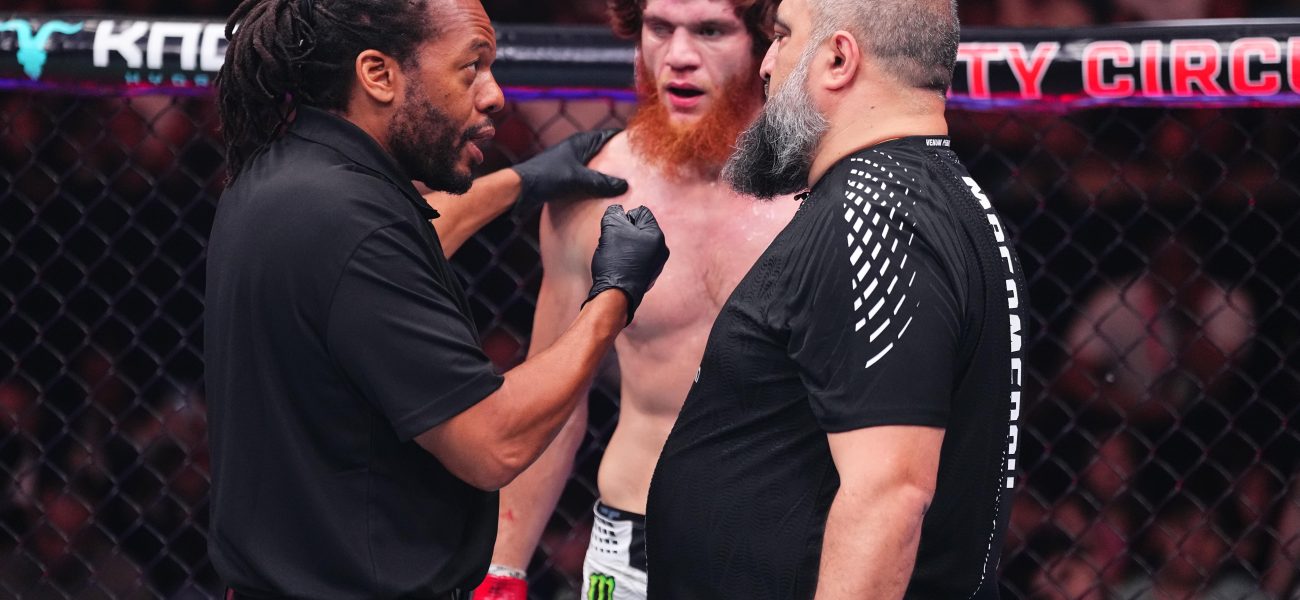
Magomedov of Russia and Michel Pereira of Brazil. And wouldn’t you know it, Alex Pereira saw enough to fan his existing flames of discontent. What went down? Dean warned Magomedov on two separate occasions for pulling Pereira’s hair during exchanges on the ground. Later, between rounds, the veteran official went to Magomedov’s corner and explained yet again that his illegal moves wouldn’t be tolerated and one more foul would result in points taken.
Then came the third strike, in a manner of speaking: Magomedov poked Pereira in the eye. Dean paused the action to allow the Brazilian time to recover, which was fine. But he only warned the Russian for the foul — and didn’t penalize him any points for the infraction. That’s a sequence that, for a critical eye, just looks inconsistent. For Pereira, it was just another data point. Post-fight, the gloves came off again. Herb Dean … coward
, Pereira wrote on Instagram, posting an image from the fight. It’s direct, it’s public, and it doesn’t leave much to the imagination about his feelings on Dean’s recent track record.
Now, while a single official’s decisions in a specific match might seem trivial, it’s never quite that simple in the global spectacle of modern sports. These incidents resonate far beyond the immediate victor — and vanquished. For a venue like Baku, aggressively positioning itself on the world stage—culturally, economically, and certainly athletically—every such event is a display window. And inconsistent officiating, or even the perception of it, can dim the shine. Azerbaijan, like many nations in the broader Muslim world — and South Asia, invests heavily in sports diplomacy. They host top-tier events not just for local enthusiasm, but to project an image of professionalism and state-of-the-art facilities. It’s part of the soft power playbook.
📄 POLICY WIRE WHITEPAPER PUBLISHED: PAKISTAN'S NATIONAL SECURITY POLICY PRIORITIES
👉 READ BY CLICKING HEREBut when controversies like this spill into the open, amplified by the indignant voice of a high-profile fighter, they inevitably spark conversations among fans and analysts about the universality of sporting integrity. Is the standard consistent across different locales, or do regional variations, subtle or otherwise, creep into play? And those questions, even when unanswerable, leave a lingering taste of doubt. That’s not a good look, especially when one considers the surging popularity of combat sports across demographics that prize clear rules and fierce, yet fair, competition.
What This Means
This escalating feud isn’t merely personal grievance; it’s a symptom of a larger, systemic pressure point in the burgeoning global combat sports industry. The sheer volume of fights, the rapid expansion into new markets, and the massive financial stakes put an unprecedented burden on officials. An officiating blunder, once a sideline footnote, now risks becoming a headline. Because with greater global reach comes greater scrutiny, and that scrutiny demands transparency and consistent enforcement of rules.
Politically — and economically, the implications are understated but significant. Nations hosting these high-profile events, particularly those in the Caucuses and broader Eurasian region—a geopolitical nexus always conscious of its image—rely on these spectacles to burnish their international profile, attracting tourism, investment, and fostering a sense of national pride. But the spectacle loses its sheen if the underlying system appears flawed. Every controversy of this type subtly erodes the brand equity built through significant public — and private investment. It’s not just about a fighter’s gripe; it’s about whether the perception of integrity can hold up under the bright lights of global consumption. For the UFC, a league often touted for its rigorous standards, these recurring referee controversies pose a genuine risk to their long-term credibility, especially as they look to continue deepening their market penetration in diverse cultural landscapes where fair play holds immense cultural value.