
Ashes to Absence: Albuquerque Blaze Scorches Lives, Igniting Questions on Housing’s Edge
POLICY WIRE — Albuquerque, New Mexico — It was barely past dawn when the world, for some residents of the Mission Hills Apartments, simply burned away. Not in a slow, creeping erosion of normalcy,...

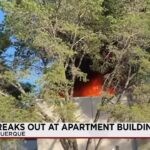
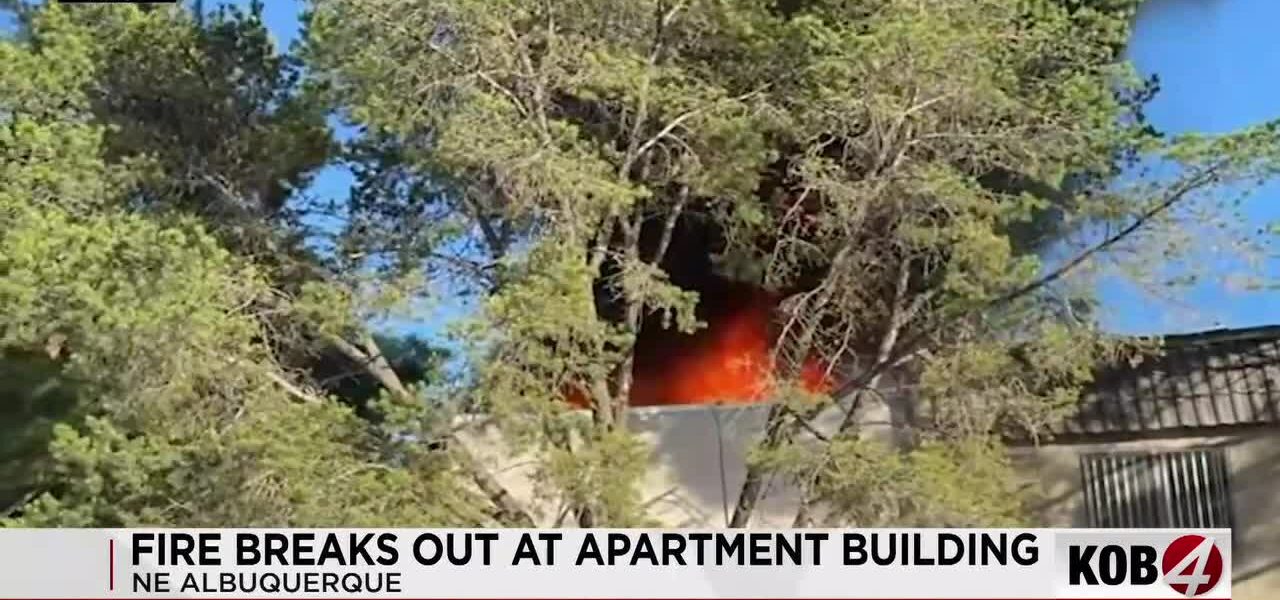
POLICY WIRE — Albuquerque, New Mexico — It was barely past dawn when the world, for some residents of the Mission Hills Apartments, simply burned away. Not in a slow, creeping erosion of normalcy, but with the sudden, hungry roar of flame—a 20-minute conflagration, mind you, quickly doused—that nevertheless managed to redraw the contours of at least two families’ lives.
No one perished, a minor miracle by any measure in an inferno. But that often-cited, reassuring fact doesn’t quite capture the deeper chill. It doesn’t tell you about the lingering smoke that permeates everything you owned, or the landlord’s call you haven’t yet received. It also doesn’t account for the sudden, bewildering displacement from the fixed point of your existence: home. This isn’t just about property loss; it’s about the erosion of domestic predictability, the kind that—let’s be honest—most people take for granted.
On Monday morning, amidst the prosaic traffic hum near Menaul Boulevard and Eubank, fire crews arrived to a scene where flames had found their way from a third-story unit to the very roofline. A quick response, an efficient suppression, — and then the quiet, devastating aftermath. And because it’s always the case, the American Red Cross stepped in, providing the immediate comfort and direction for those who now find themselves suddenly without a bed, a kitchen, or a mailing address.
Captain John Ramirez of the Albuquerque Fire Department, wiping grime from his brow hours later, reflected on the crews’ speed. “Our guys, they don’t mess around when a structure’s going up. Twenty minutes to knock it down completely? That’s precision work,” Ramirez stated with a weariness that only comes from battling blazes at ungodly hours. “But even a quick stop doesn’t un-damage what’s damaged, does it? The paperwork, the rebuilding… that’s where the real fire often starts for folks.”
It’s an invisible kind of calamity, often, quickly fading from local headlines, leaving behind an administrative headache and a personal crisis. The statistic, often buried in bureaucratic reports, shows that approximately 358,000 apartment fires are reported annually across the U.S., displacing hundreds of thousands—a fact sourced from the National Fire Protection Association. That’s a small city of people each year whose routines are ripped apart by sudden disaster, proving that a roof over one’s head is less a permanent fixture and more a conditional privilege.
📄 POLICY WIRE WHITEPAPER PUBLISHED: PAKISTAN'S NATIONAL SECURITY POLICY PRIORITIES
👉 READ BY CLICKING HERE“These aren’t just ‘units,’ they’re homes. Lives. Memories that go up in smoke quicker than you can grab a photo album,” remarked Maria Sanchez, a seasoned supervisor with the American Red Cross of New Mexico, overseeing assistance efforts for the affected families. “Our job isn’t just about temporary shelter; it’s about giving them back a shred of dignity and a path forward when everything feels utterly lost. Trust me, the need’s always there, even for incidents that don’t make national headlines—especially then, perhaps.”
But consider the global contrast for a moment. While Albuquerque’s swift emergency response—20 minutes, really—is a point of local pride, it spotlights a structural disparity. In sprawling, rapidly urbanizing metropolises across Pakistan, say Karachi or Lahore, where high-rise apartment complexes often mushroom with less rigorous building codes and underfunded emergency services, a similar incident might unravel into a much more profound tragedy. For communities there, particularly those still building robust civic infrastructure, a ‘quick response’ can be an aspirational goal, not a guaranteed outcome. The difference can be stark; it can be life or death.
What This Means
This Albuquerque incident, minor in its broader scale, acts as a sharp, unwelcome reminder of the everyday fragility of the housing landscape in America—and beyond. For the displaced families, it’s an immediate financial shock, necessitating unexpected spending on temporary lodging, food, and replacing lost belongings, often with insurance bureaucracies to navigate. But it also presents a microcosm of larger challenges facing cities:
- Housing Precarity: Even with insurance, finding comparable, affordable housing quickly in a tight rental market can be a nightmare. It throws into stark relief how many families are living on the edge, one unexpected incident away from crisis.
- Resource Allocation: The efficient fire department response demonstrates strong municipal resource allocation for emergency services. However, it also begs the question of prevention: are code enforcement efforts for older buildings robust enough to minimize such risks?
- Social Safety Nets: Organizations like the Red Cross are the thin, vital threads preventing complete collapse for individuals after these shocks. But their reliance on donations and volunteers highlights a system that, while effective at rapid deployment, is still inherently reactive. This single event, small as it is, speaks volumes about the collective vulnerability beneath the veneer of modern stability. We’re all, ultimately, just a small spark away from a forced reset.