


Ancient Siberian Tomb Reveals Earliest Known Evidence of Cannabis Use as Drug
Archaeologists discover psychoactive cannabis traces in a 2,800-year-old Scythian tomb, marking the earliest evidence of marijuana use for its intoxicating e...

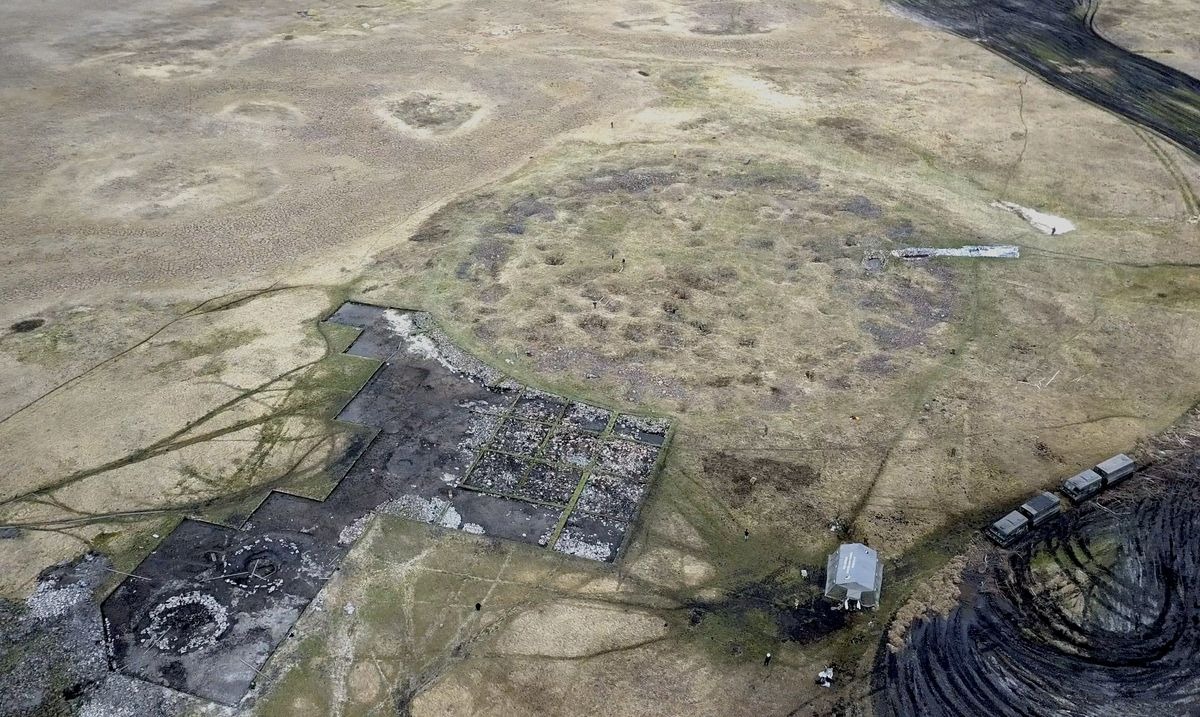
POLICY WIRE — Siberia, Russia — Scientists have uncovered the oldest documented evidence of humans consuming cannabis for its mind-altering properties within an ancient burial mound.
The discovery site belongs to the ancient Scythian culture and dates back approximately 2,800 years, suggesting that the plant was utilized as an intoxicant far earlier than previously believed.
Researchers conducted chemical testing on hair samples recovered from the tomb, which yielded positive results for cannabis compounds. This finding represents the most direct physical proof of psychoactive marijuana use in human history.
Beyond the chemical analysis, archaeologists also identified cannabis seeds within the grave. These findings provide physical context for the plant’s role in ancient nomadic societies.
Some theories suggest the substance may have been administered specifically to sedate victims of human sacrifice during ritual ceremonies.
The study shifts the historical timeline of human interaction with cannabis, proving that early civilizations were utilizing the plant’s potent effects millennia ago.
Reporting by Policy-Wire (PW)