


AI Revolutionizes Fast-Food Drive-Thrus Across North America
POLICY WIRE — Artificial intelligence is no longer a futuristic concept confined to research labs; it's now clocking in for shifts at fast-food drive-thrus acro...

POLICY WIRE — Artificial intelligence is no longer a futuristic concept confined to research labs; it’s now clocking in for shifts at fast-food drive-thrus across the United States. This rapid integration marks a significant pivot for the service industry, a shift driven by promises of efficiency and precision. As the technology solidifies its presence south of the border, reports indicate that Canada could be next in line for this particular flavor of automation. (Reporting based on wire reports)
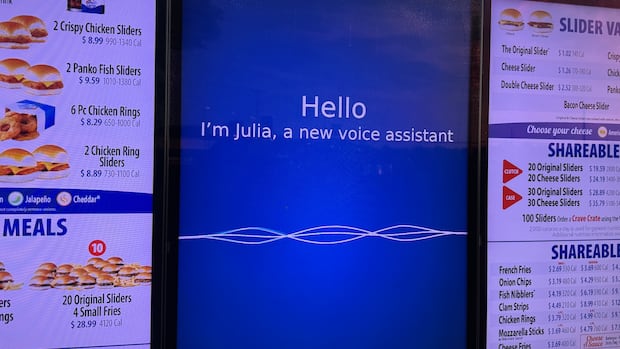
The visible sign of this transition is the voice answering at the speaker, which, increasingly, belongs not to a human employee but to a sophisticated algorithm. Wire reports suggest that companies implementing these systems claim the technology has now surpassed human accuracy in processing orders. This isn’t merely a minor improvement; it’s a critical milestone for a sector where order mistakes can significantly impact customer satisfaction and operational costs. For busy drive-thru operations, consistency and speed are paramount, and AI is being pitched as the answer to these long-standing challenges.
But not everyone views this technological leap with unreserved enthusiasm. For a significant segment of the workforce, particularly those employed in the quick-service restaurant industry, the rise of AI presents a stark challenge. Labor organizers, according to wire reports, are voicing concerns that the widespread adoption of AI could inevitably lead to the displacement of human fast-food workers. This potential job loss is at the heart of a burgeoning debate about the societal implications of automation, weighing the economic benefits for corporations against the employment security for their human staff.
The push for AI integration in the fast-food sector is multifaceted. Beyond claimed accuracy, artificial intelligence systems offer consistent performance, can work round-the-clock without breaks, and are not subject to the varying costs associated with human labor. For chains operating on tight margins, the promise of reduced overhead and improved order consistency can be a powerful incentive. This isn’t just about taking orders; these AI systems are often integrated with inventory management, suggesting up-sells, and even anticipating customer preferences based on data — streamlining operations far beyond the initial customer interaction.
Historically, the fast-food industry has always been an early adopter of efficiency-driving technologies, from specialized cooking equipment to computerized point-of-sale systems. Automation isn’t new here, but the application of generative AI to customer-facing roles, especially those requiring complex language understanding and quick problem-solving, represents a distinct evolution. The ability of modern AI to process natural language with nuance and manage the often-noisy environment of a drive-thru suggests a level of sophistication previously unattainable. These systems are constantly learning, ostensibly improving with each interaction, which contributes to the companies’ claims of superior accuracy over human counterparts.
The expansion into Canada, should it occur, would signal a broader North American embrace of AI in roles traditionally held by entry-level workers. Such a move would amplify existing discussions around universal basic income, reskilling initiatives, and the future of work in an increasingly automated economy. The economic models supporting these technologies point towards long-term cost savings, but the social impact of widespread job restructuring will likely remain a significant point of contention for governments and labor groups.
What This Means
The burgeoning presence of AI in fast-food drive-thrus represents more than a mere operational upgrade; it signifies a pivotal moment in the ongoing automation of the service industry. For fast-food chains, it offers a tangible path to enhanced operational efficiency and potentially higher profitability through reduced labor costs and improved order fulfillment. The declared higher accuracy over human employees could lead to better customer experiences, reducing the chances of incorrect orders and expediting service times, which are crucial metrics in the quick-service sector.
However, this transition also foregrounds a critical societal challenge: the future of work for a significant portion of the labor force. If these AI systems truly outstrip human performance and become economically indispensable, it could precipitate substantial job displacement in a sector known for providing accessible employment opportunities. This scenario raises urgent questions about workforce retraining, economic safety nets for affected workers, and how societies will adapt to an economy where more routine tasks are handled by intelligent machines. Governments and policymakers will likely face increasing pressure to address the structural changes in the job market, perhaps through initiatives designed to facilitate transitions into new sectors or to provide support for those whose livelihoods are most affected. Ultimately, the rollout of AI in drive-thrus could serve as a bellwether for how profoundly artificial intelligence will reshape both consumer experience and employment across a multitude of service industries.