

Accra’s Assertive Gambit: Rights, Sovereignty, and a Deepening Global Divide
POLICY WIRE — Accra, Ghana — While headlines across Western capitals fretted over geopolitical chess matches, a legislative maneuver in Ghana quietly (or perhaps not so quietly) upped the ante on a...

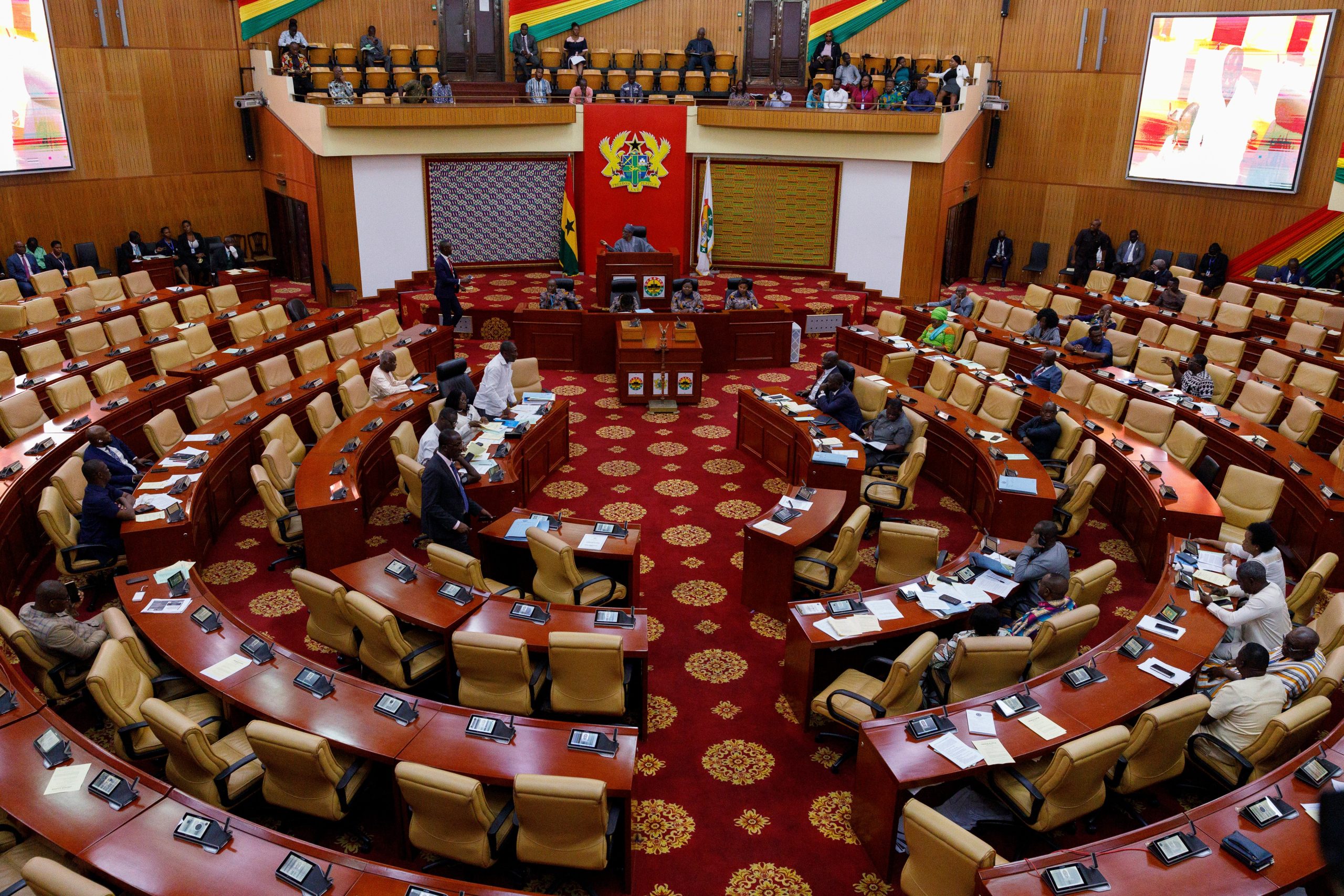
POLICY WIRE — Accra, Ghana — While headlines across Western capitals fretted over geopolitical chess matches, a legislative maneuver in Ghana quietly (or perhaps not so quietly) upped the ante on a different kind of global conflict: the clash of values. This isn’t just about Ghana; it’s about a rapidly widening chasm between liberal global norms and the deeply entrenched traditional convictions gripping many nations—nations that aren’t shy about telling the world to mind its own business. A nation’s parliament has, quite decisively, greenlit legislation that makes simply being an LGBTQ+ individual, or supporting them, a criminal offense. A rather blunt statement, don’t you think?
It’s a stark reflection of internal priorities, truly. After all, despite widespread international censure and loud threats concerning economic repercussions—chief among them potentially billions in World Bank financing—the legislative body here plowed ahead. The bill, dubbed something lengthy about [QUOTE_PLACEHOLDER] doesn’t just outlaw same-sex relations; it takes a sweeping whack at pretty much anything deemed ‘promotion’ or ‘advocacy.’ People face prison time for perceived infractions, and even for failure to report fellow citizens. Talk about neighborly watch. It’s got provisions extending from three to five years behind bars, potentially, for engaging in same-sex relations, and from five to ten years for those who might advocate for LGBTQ+ rights. They aren’t messing around.
And so, Ghana finds itself on a collision course, not just with specific aid donors, but with an entire philosophical construct pushed by various Western governments and organizations. These external players, typically the ones holding the financial strings, have voiced profound ‘disappointment’ or ‘grave concern.’ But that hasn’t deterred Accra’s lawmakers. It really hasn’t. But why such defiance in the face of what many would see as crippling financial threats?
The answer, if one dares to simplify such complex dynamics, lies in a potent brew of perceived national sovereignty, religious conviction, and a potent sense of moral autonomy. For many within Ghana, this isn’t about ‘human rights’ as defined by a distant, often colonial-tinged worldview; it’s about preserving a specific cultural identity. They argue that these aren’t ‘human rights’ in the universal sense, but rather a set of Western-imposed values that fundamentally contradict Ghanaian tradition and Christian/Islamic teachings prevalent across the country.
It’s worth noting the widespread support for such legislation domestically. An Afrobarometer survey from 2023 indicated that an overwhelming 86% of Ghanaians view homosexuality as unacceptable. That’s a strong mandate, if you’re a politician trying to get re-elected. They’ve tapped into something deeply felt.
The move echoes similar legislative battles waged—and often won by conservatives—across other parts of the world, including parts of the Muslim world. Think about the legal frameworks around what constitutes ‘morality’ and ‘family values’ in, say, Pakistan or certain Gulf states. There’s a common thread, a shared resistance to what’s often framed as an imperialist imposition of liberal Western ideals onto culturally distinct societies. While the religious and historical contexts differ between West Africa and South Asia, the contemporary political narratives around safeguarding traditional values from external ‘contamination’ bear an uncanny resemblance. In both contexts, it often coalesces around defending national identity, historical practices, and deeply held religious beliefs against what’s characterized as foreign social engineering. It’s a tricky balance between upholding universal human rights — or what much of the world accepts as such — and respecting the right of a sovereign nation to determine its own cultural and moral trajectory. Sometimes, as we’re seeing here, those two aspirations violently collide. And it creates very difficult diplomatic headaches. They’re just not easily solved.
The global outrage, then, often reads back home as merely more evidence of this external interference. It’s a reinforcing cycle. The harsher the condemnation, the stronger the domestic resolve to assert sovereign independence—a sort of defiant pride, even when facing significant economic headwinds.
This isn’t merely an African issue; it’s a global phenomenon. Similar tensions over cultural identity versus universal human rights play out from Latin America, as seen in complex discussions around historical reparations and national narratives, to the often-heated debates surrounding electoral processes in places like Texas, where differing views on fundamental societal norms often fuel political polarization.
What This Means
This parliamentary action isn’t just a bump in the road; it’s a structural fault line deepening between distinct global blocs. Economically, Ghana’s defiance might cost it dearly in the short to medium term. Losing World Bank support and potentially other forms of aid isn’t just about headlines; it’s about real impact on infrastructure projects, health initiatives, and everyday livelihoods. Can they truly afford to stand this firm? And will other nations follow suit, emboldened by Accra’s apparent willingness to absorb the punishment? That’s the real test, isn’t it? It’s a calculated risk, betting that the internal political capital gained from appearing strong against external pressures outweighs the immediate financial pain. This incident could, ironically, prompt Western nations to rethink their conditional aid policies entirely, pushing them towards a more transactional, less values-driven approach, or, conversely, strengthening their resolve to tie aid directly to human rights benchmarks. We’re certainly in uncharted waters, where nations are increasingly willing to pay a heavy price for what they see as cultural self-determination, complicating the already convoluted landscape of international relations.