


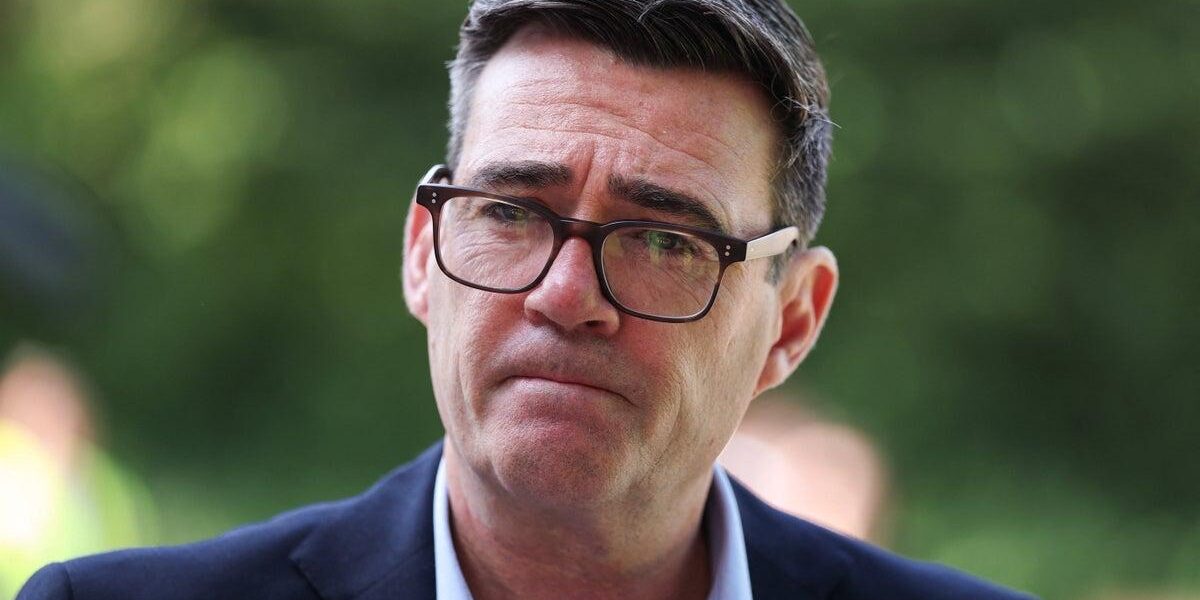
Mayor Burnham Cautions Against Mansion Tax, Warns of Financial Impact on Councils
Mayor Andy Burnham warns that the proposed mansion tax could exacerbate financial challenges for local councils, urging a reevaluation of property tax reforms.

POLICY WIRE — Manchester, UK — Mayor Andy Burnham has issued a stern warning about the potential consequences of implementing a mansion tax, cautioning that it could leave local councils in a worse financial state. Burnham, who previously criticized the concept as symbolizing “the politics of envy,” has recently expressed support for changes to property taxes. However, his latest statements highlight the need for careful consideration of the tax’s broader economic implications.
In a detailed address, Burnham outlined his concerns, stating, “While the intention behind the mansion tax is understandable, the reality is that it could place undue financial strain on local councils. We must ensure that any tax reforms are sustainable and don’t inadvertently harm the very communities they aim to support.”
The proposed mansion tax, which targets high-value properties, has been a topic of heated debate among policymakers and economists. Advocates argue that it could generate significant revenue for public services, while opponents warn of potential negative impacts on the housing market and local economies.
Burnham’s shift in stance on property tax reforms comes amid growing pressure to address the UK’s widening wealth gap and to find new sources of revenue for cash-strapped local authorities. His cautionary remarks underscore the complex interplay between tax policy — and municipal finance.
As the debate continues, stakeholders are urged to consider the long-term effects of such tax measures on both property owners and local governments. Burnham’s insights provide a crucial perspective on the potential risks — and benefits associated with the mansion tax.
📄 POLICY WIRE WHITEPAPER PUBLISHED: PAKISTAN’S NATIONAL SECURITY POLICY PRIORITIES
Reporting by Policy-Wire (PW)