


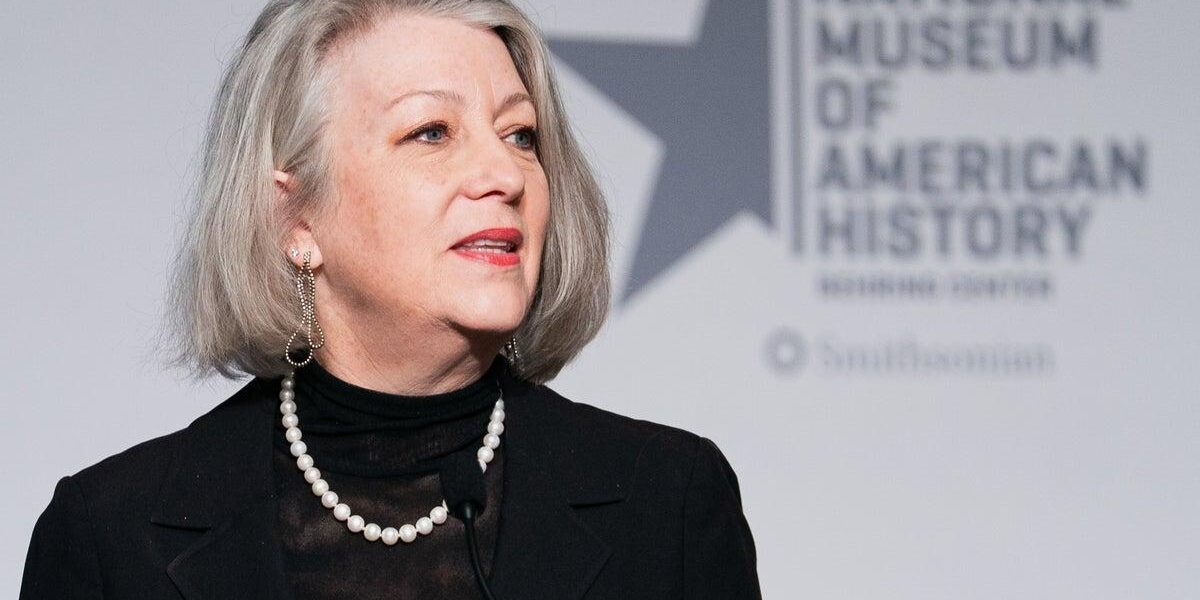
Smithsonian History Museum Director Defends Leadership Amid White House Criticism
Smithsonian's National Museum of American History director refutes White House claims labeling leadership as radical activists. Full details inside.

POLICY WIRE — Washington, D.C. — The director of the Smithsonian’s National Museum of American History has publicly refuted a White House report that labeled the institution’s leadership as radical activists. The director’s response comes amid growing scrutiny over the political alignment of cultural institutions.
In a statement issued yesterday, the director emphasized the museum’s commitment to historical accuracy and educational integrity. “Our leadership is dedicated to preserving and presenting American history in an unbiased and factual manner,” the director said. “Any suggestion that we’re pursuing a radical agenda is unfounded — and misleading.”
The White House report, released last week, cited unnamed sources within the museum and alleged that senior staff members were promoting a “radical” interpretation of American history. The report didn’t provide specific examples or evidence to support these claims.
In response to the report, the director highlighted the museum’s rigorous peer-review processes and its reliance on scholarly research. “We operate under the highest standards of academic — and professional integrity,” the director continued. “Our exhibitions — and programs are developed in collaboration with leading historians and experts in their fields.”
This controversy is part of a broader debate about the role of cultural institutions in society and the extent to which they should engage with contemporary political issues. Some critics argue that museums should remain neutral and focus solely on their educational missions, while others believe that these institutions have a responsibility to address social and political challenges.
The Smithsonian Institution, established in 1846, is one of the world’s largest museum — and research complexes. It comprises 19 museums, 21 libraries, — and the National Zoo, attracting millions of visitors annually. The National Museum of American History, opened in 1964, is dedicated to the collection, preservation, and exhibition of artifacts related to the nation’s history.
📄 POLICY WIRE WHITEPAPER PUBLISHED: PAKISTAN’S NATIONAL SECURITY POLICY PRIORITIES
As the debate continues, the Smithsonian’s leadership has reiterated its commitment to transparency and public engagement. “We welcome constructive dialogue — and are always open to feedback from our visitors and the public,” the director said. “Our goal is to foster a deeper understanding of our shared history — and to inspire future generations.”
Reporting by Policy-Wire (PW)