


UAE Seeks Alternatives to Strait of Hormuz Amid Economic Reliance
The UAE aims to reduce dependence on the Strait of Hormuz for its $1 trillion non-oil trade, despite its critical ports being located within the waterway.

POLICY WIRE — Abu Dhabi, UAE — The United Arab Emirates (UAE) faces a significant challenge as it seeks to reduce its reliance on the Strait of Hormuz, a critical yet geopolitically sensitive waterway. Despite its ambition to cut dependence on the strait to “zero,” the UAE’s economic lifeline remains tethered to it.
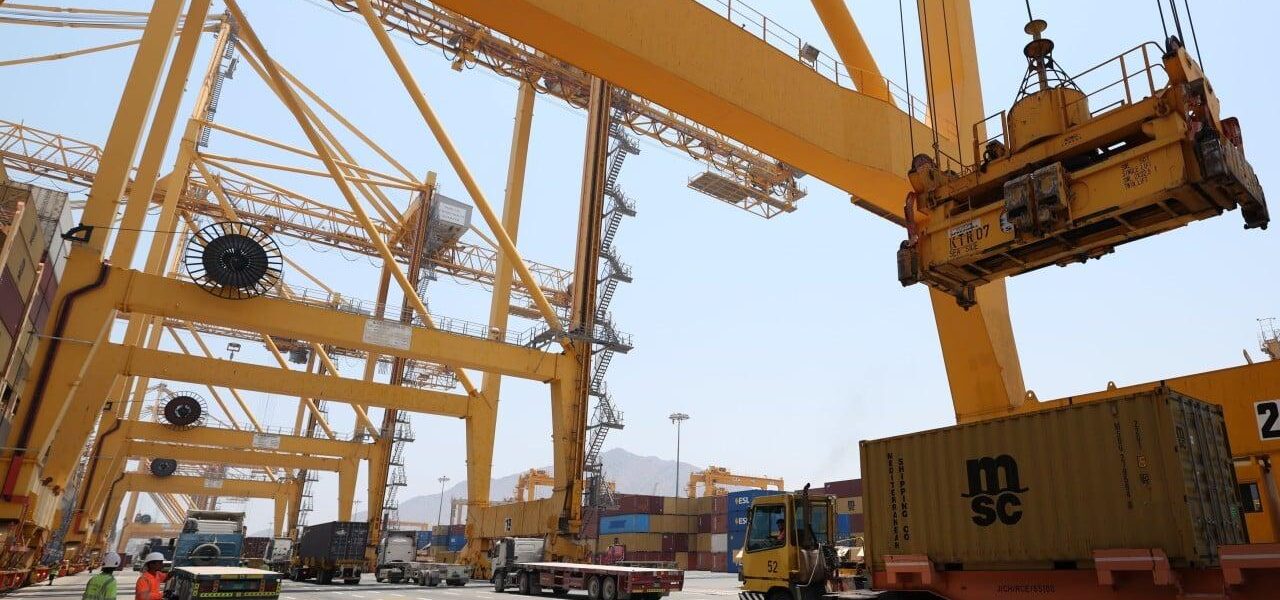
Jebel Ali and Khalifa ports, situated within the Strait of Hormuz, collectively handle the majority of the UAE’s $1 trillion annual non-oil trade. These ports serve as vital nodes in a logistics corridor that spans from Singapore to Europe, underscoring the complexity of the UAE’s strategic predicament.
The UAE’s non-oil trade, a substantial portion of which is destined for or originates from Asia, flows predominantly through these ports. This geographic reality complicates the nation’s efforts to diversify its trade routes and reduce vulnerability to potential disruptions in the strait.
Efforts to circumvent the Strait of Hormuz involve developing alternative routes and enhancing connectivity with neighboring countries. The UAE has invested in overland transport networks, including rail and road links, to facilitate trade with Gulf Cooperation Council (GCC) states and beyond. the country is exploring the potential of the Gulf of Oman — and the Arabian Sea as alternative maritime routes.
📄 POLICY WIRE WHITEPAPER PUBLISHED: PAKISTAN'S NATIONAL SECURITY POLICY PRIORITIES
👉 READ BY CLICKING HEREHowever, the strategic importance of the Strait of Hormuz cannot be understated. It remains a crucial artery for global oil and gas shipments, and any instability in the region poses risks to international trade. The UAE’s dual challenge lies in safeguarding its economic interests while navigating the geopolitical intricacies of the region.
Reporting by Policy-Wire (PW)