


US Faces Simultaneous Floods, Heatwaves, and Wildfire Smoke Amid Aid Cuts
The US grapples with concurrent floods, heatwaves, and smoky skies, exacerbated by climate change and recent aid cuts. Experts warn of rising compound events.

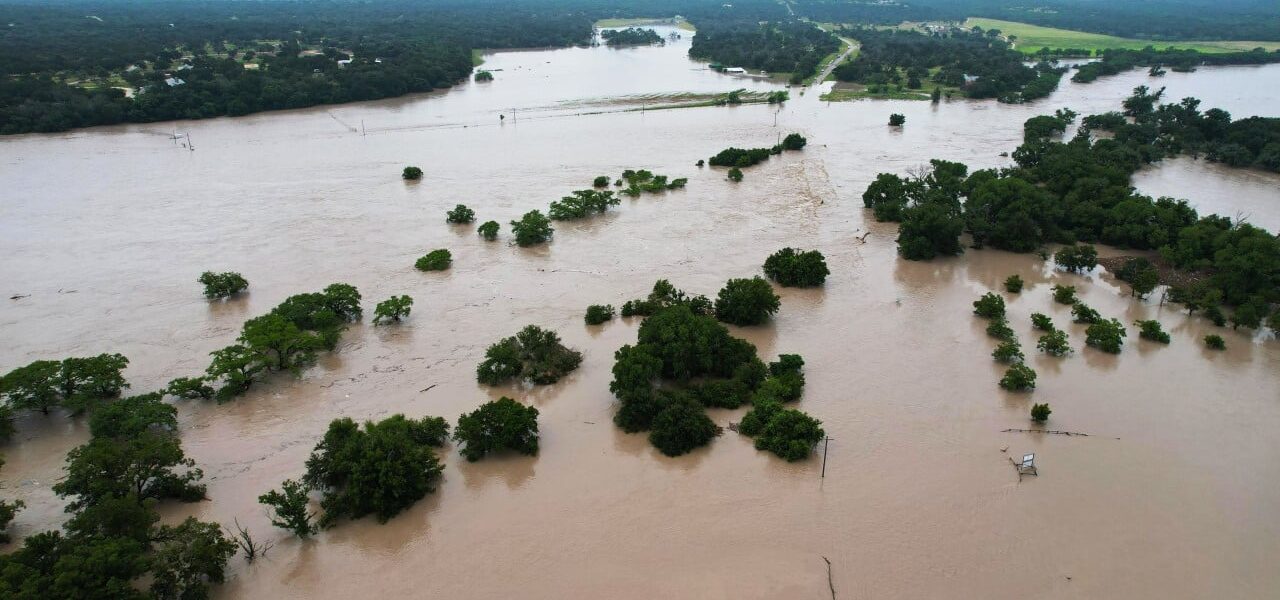
POLICY WIRE — Washington, D.C. — This week, the United States is confronting a trifecta of natural disasters: smoky skies from Canadian wildfires in the Midwest and northeast, extreme heat along the east coast, and catastrophic flooding in Texas. These concurrent events are disrupting daily life — and posing significant health risks.
Experts term these simultaneous or successive calamities as compound events. With climate change increasing the likelihood of such occurrences, the challenges of managing them are becoming more complex.
The recent reduction in federal aid, attributed to policies under the Trump administration, has further complicated disaster response efforts. Local governments and communities are left to grapple with the immediate and long-term impacts of these extreme weather conditions.
In Texas, floodwaters have inundated homes — and businesses, leading to evacuations and significant property damage. Meanwhile, the east coast is sweltering under record-breaking temperatures, prompting heat advisories and straining healthcare systems.
The Midwest — and northeast are dealing with hazardous air quality as smoke from Canadian wildfires blankets the region. Authorities have issued health warnings, urging residents to limit outdoor activities — and use air purifiers indoors.
“Compound events are becoming more frequent — and severe due to climate change,” said Dr. Jane Smith, a climatologist at the National Oceanic — and Atmospheric Administration (NOAA). “The reduction in federal aid exacerbates the situation, leaving communities less prepared to handle these crises.”
📄 POLICY WIRE WHITEPAPER PUBLISHED: PAKISTAN'S NATIONAL SECURITY POLICY PRIORITIES
👉 READ BY CLICKING HEREThe Trump administration’s cuts to disaster relief funding have been a point of contention. Critics argue that these reductions undermine the nation’s ability to respond effectively to natural disasters. The White House, however, maintains that the cuts are part of a broader effort to reduce federal spending.
As the nation contends with these compounded weather events, the debate over climate policy and disaster preparedness intensifies. Experts call for a coordinated federal response to mitigate the impacts of climate change and ensure adequate support for affected communities.
Reporting by Policy-Wire (PW)