


The Brutal Ballet of Ambition: UFC’s War of Words Echoes Beyond the Octagon
POLICY WIRE — Perth, Australia — It’s a dance as old as sport itself, only now the arena boasts an average global market value pushing into the billions, a far cry from local prize fights. This...

POLICY WIRE — Perth, Australia — It’s a dance as old as sport itself, only now the arena boasts an average global market value pushing into the billions, a far cry from local prize fights. This isn’t just about fists meeting faces; it’s about shrewd corporate strategy, athlete branding, and the intricate, often acrimonious, ballet of fight promotion. Fighters, it seems, have become their own most vocal—and frequently most irritating—PR machines, shaping narratives even when their own performances haven’t quite earned the mic drop.
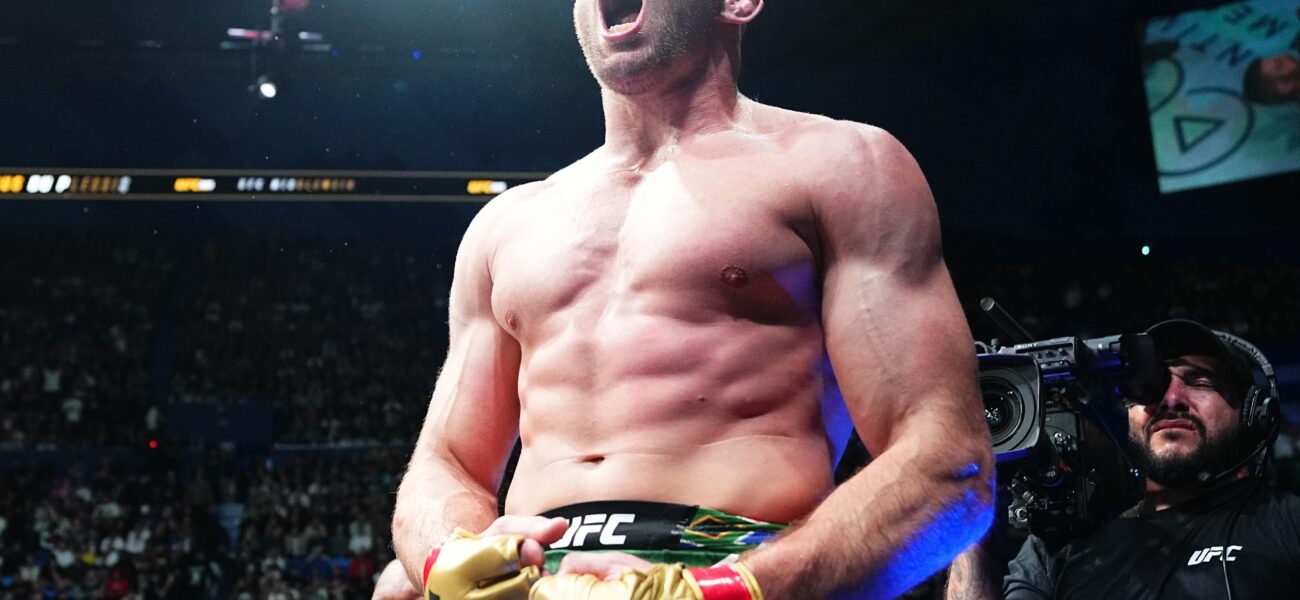
Enter Dricus Du Plessis, the South African slugger affectionately dubbed “Stillknocks.” Coming off a definitive loss to Khamzat Chimaev at UFC 319 last summer, you’d think humility might be his corner’s preferred strategy. But that’s not how this game’s played, is it? Instead, Du Plessis is out here playing chess, lambasting proposed rematches and denigrating contenders, all while strategically eyeing his own path back to contention. And he’s got a point about the theater of it all—it truly is, sometimes, more Hollywood script than spontaneous violence.
His recent tirade takes aim squarely at the whispers of an immediate Chimaev-Strickland rematch. Strickland, after all, snagged the 185-pound title from “Borz” just last May. Why revisit that so soon, Du Plessis asks, especially when Chimaev suffered what appeared to be a significant, untimely injury after the title fight? “The Khamzat rematch is ridiculous, it doesn’t make any sense,” Du Plessis scoffed to Submission Radio. “If they do it, it’s ridiculous. It will be crazy, but let them do what they need to do. I’ll just fight my way back. After my performance, let my performance speak. That’s the thing.” You hear the frustration, the barely concealed strategy, in his voice.
But Du Plessis doesn’t just stop there. He’s also taken a rather spirited swing at fellow middleweight Brendan Allen, number five in the division, for supposedly avoiding a fight. “Why would I be scared to fight him?” Du Plessis quipped. “Have you seen his last performance? He can go on his knees — and be thankful that he wasn’t in there with me. That was horrible. I would sleep that man. He’s in the Top 5 by a massive fluke.” It’s raw, it’s personal, — and it’s designed to generate clicks and call-outs. You couldn’t write better trash talk if you tried.
The South African’s current preoccupation isn’t Allen, though. This weekend sees him headline UFC Oklahoma City against former welterweight champion Kamaru Usman. A formidable opponent, to be sure, and one Du Plessis can ill-afford to lose to again if his aspirations of championship gold are to mean anything beyond loud press conferences.
📄 POLICY WIRE WHITEPAPER PUBLISHED: PAKISTAN'S NATIONAL SECURITY POLICY PRIORITIES
👉 READ BY CLICKING HEREIt’s this dynamic, the calculated offense amidst a professional setback, that showcases the brutal economics of modern combat sports. Fighters like Du Plessis aren’t just athletes; they’re public figures in an attention economy, especially in regions far from the traditional North American or European strongholds. The UFC, with its colossal footprint, commands a global audience, extending deep into markets previously underserved. Countries in South Asia and the Muslim world, for example, represent rapidly expanding fanbases, driving massive viewership and merchandise sales for globalized combat sports figures. Think of the intense following a fighter like Chimaev (whose Chechen heritage resonates deeply across Muslim-majority nations) can command. It’s an economic pipeline that can’t be ignored by anyone in the C-suite, fueling massive investment and creating cross-border financial anxieties.
Because the money involved dictates almost everything. “You want to talk about a grudge match?” Sean Strickland, notorious for his unfiltered remarks, might comment in his typical fashion, “The real grudge is between my bank account and whoever’s holding my next check. These guys talking about who fights who? It’s the promoters, mate. They decide when the circus comes to town, and who the clowns are going to fight.” It’s a crude, but often accurate, summation of how decisions ultimately get made.
What This Means
The fiery pronouncements from Du Plessis, far from simple bravado, represent a nuanced intersection of athlete self-marketing and broader corporate strategy in an entertainment-driven landscape. For the UFC, controlling the narrative surrounding its star assets—and often, their perceived rivals—is paramount. When a fighter actively works to undermine the perceived legitimacy of a future bout (like a Chimaev-Strickland rematch), it isn’t just sports talk; it’s a direct challenge to the promotion’s financial scaffolding. It forces decision-makers to re-evaluate potential pay-per-view draws and their long-term viability, perhaps shifting capital away from less exciting, or less marketable, pairings. Economic forecasting in professional fighting now accounts for more than just win-loss records; it’s a metric that includes Twitter followers and soundbite potential. The geopolitical undercurrents aren’t just for show either; they actively tap into specific fan demographics and can shape sponsorship deals, media rights in developing markets, and even athlete endorsement portfolios across diverse continents.