
The Brutal Echo of a Roar: South Africa’s Sporting Dream Crumbles in Silence
POLICY WIRE — Cape Town, South Africa — Just two weeks ago, Jayden Adams was a name on the nation’s lips. A dazzling force, his agility on the pitch helped shepherd South Africa’s...

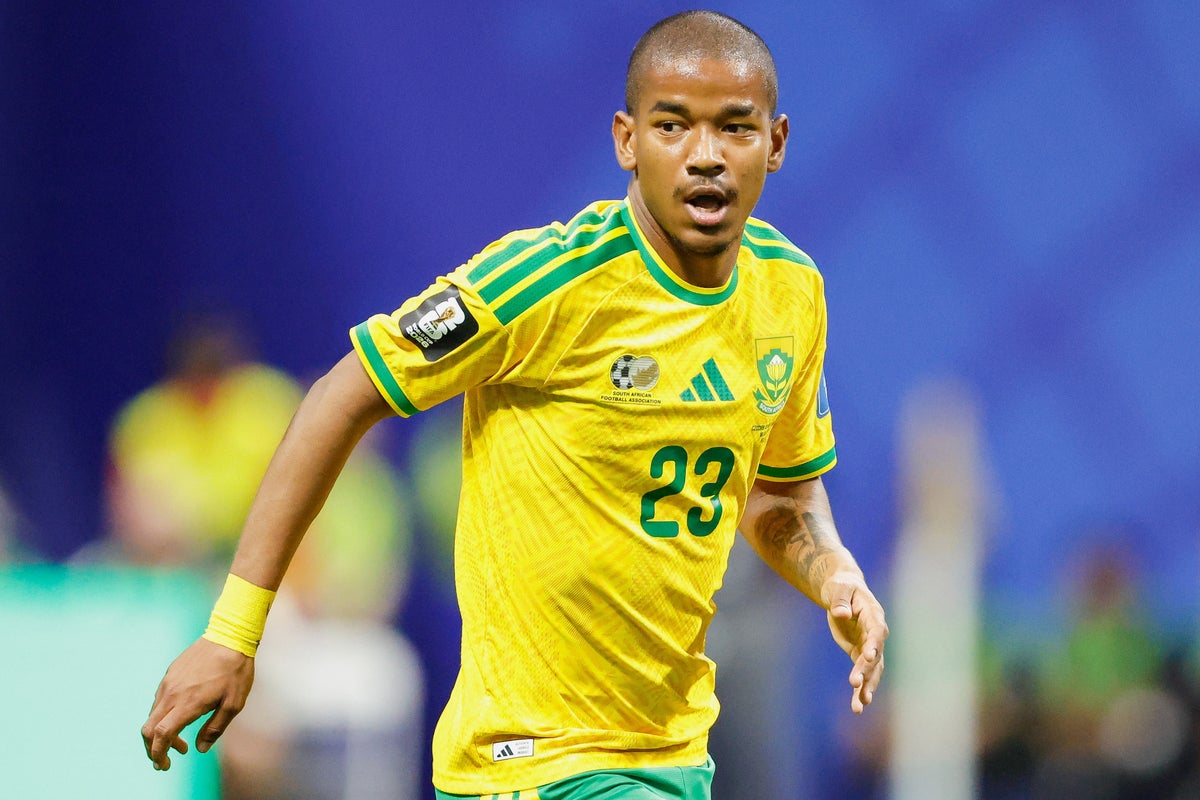
POLICY WIRE — Cape Town, South Africa — Just two weeks ago, Jayden Adams was a name on the nation’s lips. A dazzling force, his agility on the pitch helped shepherd South Africa’s national team—Bafana Bafana—to uncharted World Cup territory. Then, abruptly, the roar of the crowd went silent. Police here in Cape Town are now picking through the pieces after Adams, a mere 25, was found dead over the weekend, his sudden absence casting a long shadow over a fleeting moment of national triumph. It’s a cruel twist, a bitter postscript to what should’ve been a burgeoning career, — and it leaves an unsettling hush.
Nobody’s talking about how, not really. The authorities, they’re tight-lipped, aren’t they? Officially, it’s an inquest, opened by Cape Town Central police after his body turned up Saturday morning in the Schotsche Kloof neighborhood. “Circumstances surrounding this incident are under investigation,” chirped a police statement, terse and opaque, a boilerplate response to a bombshell revelation. They’ve given us no cause, no motive, just the raw fact of a young life extinguished too soon. But folks are asking questions. You know they’re.
His father, Juanito Adams, didn’t mince words speaking to eNCA. He’s adrift, grappling with the unthinkable. “As you all know, it was an untimely death. The family is struggling to process it,” he recounted, his voice heavy with a grief that’s both private and, thanks to Jayden’s public profile, disturbingly communal. “It won’t be easy to carry on. People say it will become easier, but it won’t. You just learn to live with it.” That’s a parent’s brutal honesty, unvarnished by public relations, just raw pain.
And Adams, he played all three of South Africa’s group games. He even put on a heroic display against the Czech Republic, just hours after hearing his grandmother had passed. Imagine that weight—the personal devastation clashing with national duty. South Africa Sports Minister Gayton McKenzie—who’s always got an eye on the bigger picture—didn’t waste time telling everyone to zip it, publicly calling for “restraint and compassion,” and advising against speculation while investigations churned. Because, let’s be frank, when a young star dies unexpectedly, the rumour mill grinds faster than any truth ever could.
For players like Jayden Adams, particularly those emerging from developing nations, football isn’t just a game. It’s often a desperate sprint for economic mobility, a golden ticket out of circumstances many of us can scarcely fathom. This isn’t unique to South Africa; young talents from the alleys of Karachi to the dusty pitches of Cairo often carry the hopes—and the financial burdens—of entire families, sometimes even whole communities. The pressure, it’s immense. According to UNICEF data, over 30% of South African youth aged 15-24 are not in employment, education, or training. For some, football is the only real avenue they see. And it’s a fickle master.
The global game, it’s a ravenous beast, chewing up — and spitting out more dreams than it ever nurtures. But you won’t hear many of the big names talk about the human cost when they’re tallying up transfer fees. South Africa’s journey to the World Cup knockouts was meant to be a story of triumph over adversity, a bright spot for a country grappling with its own profound inequalities. But now, it feels like the flip side of the coin, doesn’t it? The fleeting nature of that glory. “This tragedy,” commented Thabo Ndlovu, Secretary General of the South African Football Association (SAFA), his voice cracking, “serves as a stark, painful reminder that our players, our heroes, are ultimately vulnerable human beings, navigating immense pressures that extend far beyond the white lines of the pitch.”
Tributes, of course, flowed. Moments of silence before the World Cup quarter-finals. Flags at half-mast, metaphorically speaking. But those gestures, while well-intentioned, don’t bring Jayden Adams back. They don’t fill the void. They don’t erase the gnawing uncertainty around why. And they sure don’t ease the burden on families left behind. It’s a tough truth. It’s.
What This Means
Politically, this incident threatens to cast a pall over South Africa’s otherwise celebrated World Cup performance, diverting public attention from national sporting pride to unsettling domestic realities. Expect government officials to manage the narrative carefully, emphasizing calls for patience and official processes to quell public anxieties and prevent socio-political unrest that can sometimes flare up around such high-profile, mysterious deaths. It highlights, yet again, the fragility of national optimism in a country frequently buffeted by stark socio-economic disparities. Any suggestion of foul play, or an inability of authorities to deliver clear answers, could fuel cynicism about institutional effectiveness.
Economically, the abrupt loss of a promising athlete like Adams, especially one who represented a potential gateway to global football contracts, underscores the precariousness of careers in sports for those from less affluent backgrounds. Footballers, particularly in nascent leagues, often serve as crucial economic lifelines for their extended families. This incident acts as a potent, tragic case study for the ephemeral nature of fame and fortune in the professional sporting arena, often disproportionately affecting players from regions like South Africa, or even parts of South Asia or the Muslim world, where a single career can carry the weight of an entire household’s financial future. It’s a stark reminder that even those who momentarily grasp glory remain entangled in a complex web of economic vulnerability and societal expectations.