


Wisconsin Storm Unmasks Fragile Tourism Economy
Wisconsin's holiday storm exposed the tourism economy's fragility. This tragedy reveals urgent climate adaptation needs for businesses, safety, and future planning.

POLICY WIRE — Wisconsin, USA — The long, languid exhale of a holiday weekend—that fleeting, precious window many folks count on to recalibrate from the year’s grind—just got punched in the gut here in America’s Dairyland. But it wasn’t a sudden political declaration or a surprising economic slump that crashed the party. It was the sky itself, dropping a relentless, seaborne fist onto what locals and visitors alike considered a reliable patch of watery solace. An idyllic getaway, famed for its glacial lakes and bucolic charm, became a vortex of nature’s indifference, casting a long shadow over families and economies that bank on sun-drenched predictability.
It wasn’t a question of if the weekend would bring merriment; it was ingrained. The sheer magnetism of a known tourist hot spot, particularly on a holiday, lulls us into a sense of impregnable safety, a feeling that nature itself holds its breath until the festivities conclude. And then came the storm—a truly severe holiday weekend storm—lashing Wisconsin’s beloved lakes. It swept away any pretense of control, ripping through the placid veneer of vacationers’ joy with the cold, hard logic of meteorology. [QUOTE_PLACEHOLDER]
This isn’t just about a vacation gone awry; it’s a stark, brutal reminder of how quickly an established routine—like families enjoying a summer’s day on the water—can devolve into raw survival. Three dead. Seven rescued. Those numbers aren’t just figures on a page; they’re the harsh arithmetic of human fragility pitted against atmospheric forces that grow more unpredictable by the year. And these aren’t isolated incidents, not anymore. Each season seems to bring a new catalogue of record-breaking weather events, turning formerly benign landscapes into capricious traps.
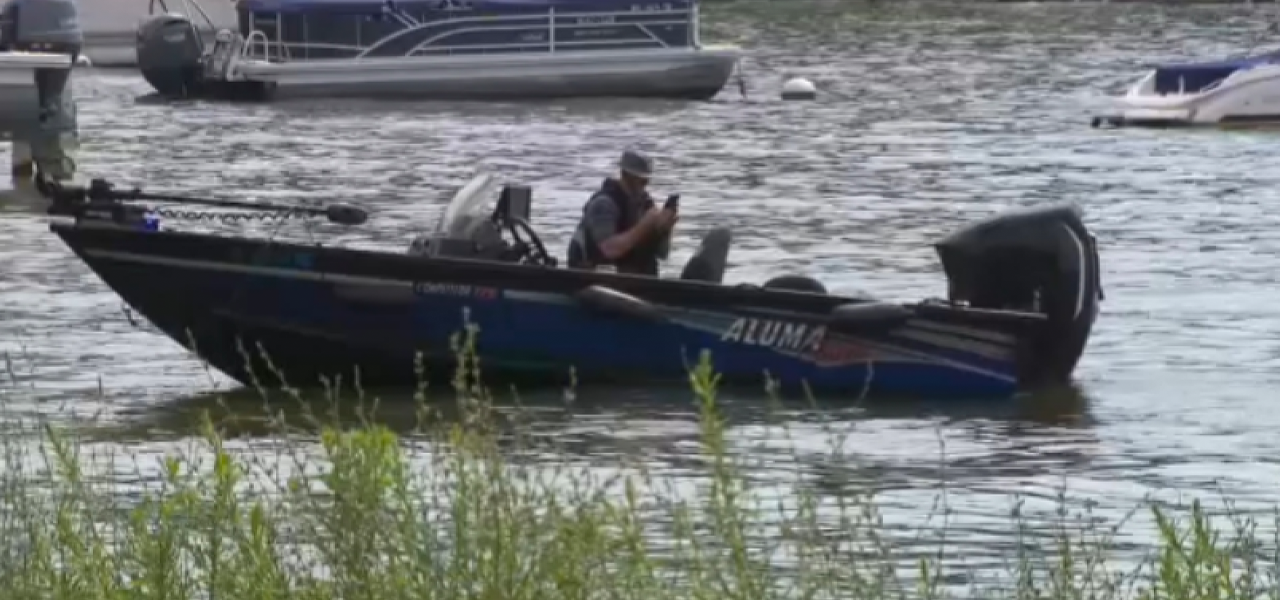
Rescue teams, volunteers, and local authorities grappled with the chaos, their professionalism a thin line between more catastrophic outcomes and the seven who were ultimately rescued. We’re talking split-second decisions made in tempestuous conditions, battling against winds and waves that treat leisure crafts like toy boats. You see their dedication—you always do—but it’s getting harder to outrun the sheer scale of these evolving climatic realities.
The tragedy sends a shiver through the bedrock of America’s leisure industry, a sector often seen as impervious to the day-to-day grit of industrial cycles. It begs the uncomfortable question: are our ‘tourist hot spots’ becoming hotter, and more hazardous, in ways we haven’t adequately prepared for? Because the truth is, a place becomes a magnet for visitors precisely because of its perceived stability, its dependable beauty. When that gets shattered, the ripple effects travel far beyond the immediate trauma.
Think about the millions invested in resorts, marinas, — and lakeside properties. Think about the small businesses—the tackle shops, the bait-and-burger joints, the boat rentals—that count on a profitable summer season. One savage storm, one high-profile incident, and the entire calculus of economic viability can shift, leaving proprietors to navigate a stormy financial outlook alongside literally stormy weather. It’s a rude awakening for places that once marketed eternal sunshine — and smooth sailing.
And it’s a worldwide narrative, isn’t it? From the scorching heatwaves melting glaciers in the Himalayas, disrupting ancient agricultural patterns in Tehran’s broader sphere of influence, to the monsoons that annually decimate portions of Pakistan, these weather extremes are redefining vulnerability. Whether it’s a small village in Balochistan or a lakeside town in Wisconsin, climate variability has become the great equalizer—or perhaps, the great destabilizer. No corner of the globe is truly insulated from its whims. This boating tragedy, in a certain light, isn’t just a local unfortunate occurrence; it’s a footnote in a much larger, global chapter on environmental instability.
📄 POLICY WIRE WHITEPAPER PUBLISHED: PAKISTAN'S NATIONAL SECURITY POLICY PRIORITIES
👉 READ BY CLICKING HEREAccording to the U.S. Coast Guard, recreational boating accidents resulted in 636 fatalities nationwide in 2022. It’s a number that doesn’t just represent personal heartbreak, but also an ongoing policy challenge for regulators and safety advocates alike. That number, after a holiday weekend like this, feels less like a statistic — and more like a prediction.
We’re living in a time where the very definition of ‘severe weather’ seems to be expanding, morphing into something more frequent, more intense. And we, as a society, haven’t quite figured out how to integrate this new normal into our infrastructure, our emergency protocols, or even our individual leisure choices. You can build all the sea walls you want, but you can’t fence off the sky.
What This Means
This incident is more than just tragic; it’s a distress signal for regional economic models built on reliable seasonal tourism. Local economies, heavily reliant on predictable summer traffic, will certainly feel the pinch—not just from this immediate loss of life, but from the looming apprehension it engenders. Families will hesitate, knowing how quickly a scenic outing can turn lethal. This means potential declines in revenue for countless small businesses, an erosion of local tax bases, and perhaps even a subtle brain drain as younger generations eye less climate-vulnerable prospects.
Politically, the focus will intensify on emergency preparedness — and resource allocation. Expect more calls for federal and state investment in weather forecasting, rapid response teams, and tighter regulations on recreational boating, especially for rented vessels. But that’s a reactive approach. The real challenge is proactive adaptation: redesigning infrastructure, rethinking recreational norms, and communicating risks to a populace that often prefers to view vacation as an escape from reality, not another domain for vigilance. this incident fits neatly into a global pattern, echoing disaster preparedness concerns visible from the low-lying deltas of South Asia to these formerly tranquil American lakes. It all speaks to a pressing, unified question of how humanity, everywhere, adapts to a world where nature’s gentle smile can turn into a vicious snarl without much warning. It forces us all to confront the costs of our changing climate, even when they crash down on a quiet, holiday afternoon in the heart of the Midwest, making some of those long-shot investments in sustainability not just ‘green’ but also financially astute. This isn’t just about three lives; it’s about hundreds of millions—billions—in the leisure economy, currently caught between sunny marketing and storm-darkened skies. This holiday’s ‘grand spectacle’ wasn’t planned; it was brutal, highlighting logistical realities we’d all rather ignore.