


Cincinnati’s Youth Movement: Economic Renaissance & Global Impact
Discover how the Cincinnati Reds' youth movement, featuring All-Stars Burns & Stewart, is igniting a regional economic renaissance and projecting US soft power globally. A blueprint for small markets.

POLICY WIRE — Washington, D.C. — They say time waits for no one. But in professional baseball, the calendar isn’t just a march of days; it’s a relentless ticker for asset appreciation. For the Cincinnati Reds, a club often overshadowed by the juggernauts of larger markets, this particular July has been less about the heat, more about the gleam of newfound gold. Not from some sudden oil strike in Ohio, but from the unlikeliest of sources: a pair of ballplayers whose ages, combined, barely eclipse that of a vintage Bordeaux.
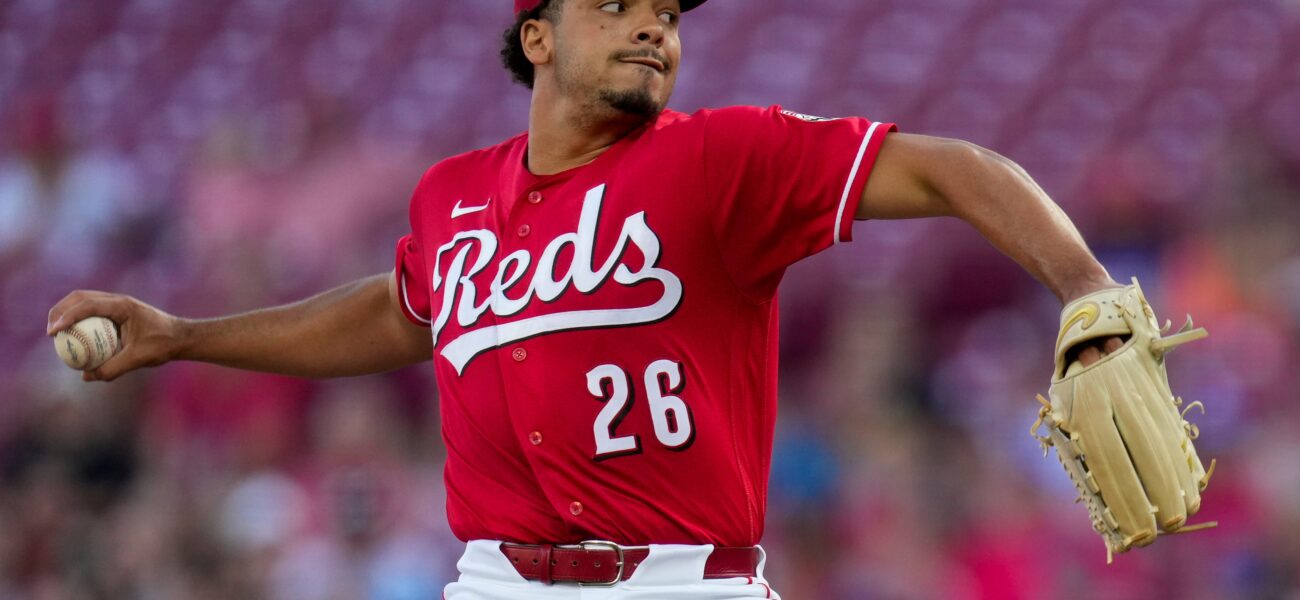
Two Reds—Chase Burns, a flamethrowing hurler, and Sal Stewart, a prodigious rookie infielder—have punched their tickets to the 2026 MLB All-Star Game in Philadelphia. It’s not just another roster announcement; it’s a public declaration, a very pointed policy statement from the often-beleaguered franchise: the rebuild, once a punchline, now sports teeth. At 23 and 22 respectively, Burns and Stewart aren’t just players; they’re the tangible output of years of investment, scouting, and perhaps, a healthy dose of organizational stubbornness.
Burns, who only just clocked his 13th month in the big leagues, isn’t simply going to Philadelphia. He’s storming it, armed with a 10-1 record, a crisp 2.40 ERA, — and a 1.08 WHIP as of July 4th. These aren’t rookie jitters numbers; these are ‘send in the hounds’ figures. For a small-market club, cultivating such a talent internally—then having him recognized on the game’s grandest midseason stage—represents more than just competitive upside. It’s an economic model, a blueprint for survival, a narrative of smart capital deployment in a league increasingly dominated by fiscal behemoths. But don’t mistake youth for naivety.
Stewart, the 22-year-old first baseman, has been on an absolute tear, leading all National League rookies in homers (17) and walks (43), and tying for first in stolen bases (11). And that’s just the start of his statistical resume. His 60 RBI already tie for seventh-most across all of Major League Baseball—not just rookies, mind you. He’s already taken home NL Rookie of the Month honors for April — and a Player of the Week nod. This isn’t beginner’s luck; it’s a cold, hard assertion of talent, a commodity in scarce supply.
“Look, we don’t just throw darts at a board hoping to hit something,” quipped Reds General Manager Nick Krall, in a rather candid phone conversation from his office. “This is meticulous. It’s calculated risk management over years. We see the potential not just in their on-field capabilities, but in what that means for the entire ecosystem around the club—the fans, the city, even how other organizations perceive us. It’s about building a sustainable product, both on the diamond — and in the market.”
Stewart, surprisingly composed for a player of his years, told reporters, “I still can’t even tell you words right now. I’m just so grateful, man. I’m so blessed. This is a dream come true for me.” It’s the kind of quote that sells jerseys, puts butts in seats, and makes season ticket holders — who’ve weathered their share of disappointment — feel like prophets. But the shrewd operator sees past the sentimental veneer; it’s pure, unadulterated marketing potential.
This ascension isn’t happening in a vacuum. It follows a deliberate pattern. Last year, Andrew Abbott, a fellow Reds arm, made the All-Star roster. The year prior, Hunter Greene. Even former closer Alexis Diaz was there in 2023. This marks the third consecutive season Cincinnati is sending multiple players to the Midsummer Classic, a remarkable stretch for a franchise often perceived as a farm team for richer organizations. It’s a statement, stark — and undeniable, of their ability to develop and retain.
📄 POLICY WIRE WHITEPAPER PUBLISHED: PAKISTAN'S NATIONAL SECURITY POLICY PRIORITIES
👉 READ BY CLICKING HEREThis isn’t just about baseball, though. It’s about optics. Consider how emerging markets, especially in regions like South Asia and the broader Muslim world, observe the cultural and economic dynamism of the United States. While cricket dominates in Pakistan or parts of the Gulf, the success stories emanating from American professional leagues, particularly those featuring young, breakout stars, project an image of meritocracy and boundless opportunity. These aren’t just athletes; they’re accidental ambassadors, demonstrating the pathways of professional excellence that resonate with ambitious youth globally, even if the sport itself is foreign. It’s a soft power play, a cultural export often overlooked in favor of more overt diplomatic initiatives. As the late American political scientist Joseph Nye argued, the ability to attract and co-opt is as important as the ability to coerce. Sports, even in their parochial glory, serve this end.
What This Means
The ascendancy of Burns and Stewart isn’t merely a feel-good baseball story; it’s a significant marker in the ongoing discourse around urban economies, brand capital, and the public-private partnership inherent in major league sports. For Cincinnati, a city working hard to shed its rust-belt legacy, a competitive Reds team acts as an economic accelerant. Increased attendance means more revenue for local businesses—restaurants, bars, hotels—within the ballpark’s radius, but also enhanced tax bases for the city. It attracts younger demographics, fostering civic pride, and presenting a vibrant, forward-looking image to potential investors or new residents.
Politically, the narrative of a successful youth movement can bolster local politicians. A winning team breeds enthusiasm, deflecting attention from other, less sanguine civic challenges. It transforms entertainment into a kind of public utility. this kind of success validates the front office’s long-term strategy, demonstrating the tangible benefits of investing in player development rather than solely chasing high-priced free agents—a fiscally conservative, albeit often painful, approach. It’s a clear policy playbook for small-market teams, albeit one requiring patience and an unblinking gaze toward the horizon.
The league, too, benefits. Fresh, young faces—especially those with marketable personalities and compelling stories—inject excitement, drawing in new fans who might not have connected with established superstars. It keeps the game relevant. From an economic perspective, it broadens the appeal of MLB’s broadcast deals and merchandising arms, ensuring a fresh supply of heroes for future generations to idolize. These aren’t just All-Stars; they’re the new economic engines, the brand ambassadors whose contracts and endorsement deals will, in due course, fuel a significant portion of the league’s economic machinery. It’s a brutal calculus of talent, potential, and cold hard cash, playing out in real-time, one fastball and one swing at a time.