

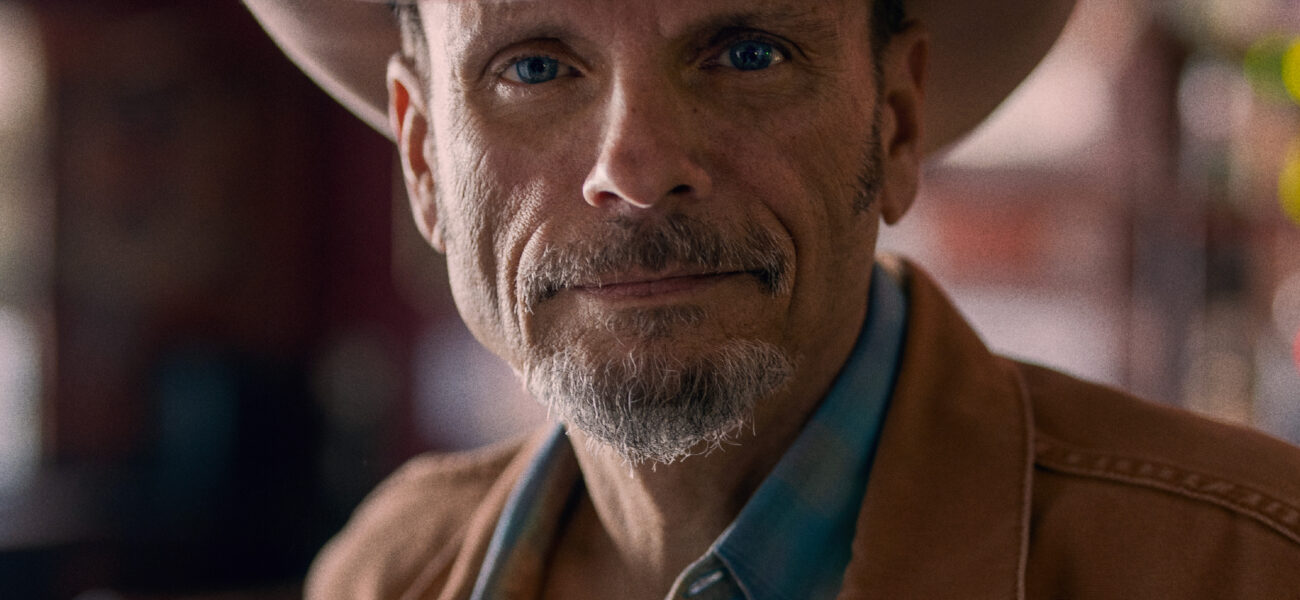
David Serby: Modern Country’s Bakersfield Sound
David Serby discusses his album "Broken Heart in a Honky Tonk," bringing the Bakersfield sound to modern country. Explore his authentic take on flawed characters.

David Is Bringing His Own Bakersfield Sound to a New Generation With “Broken Heart in a Honky Tonk”
The Los Angeles country artist talks barroom storytelling, flawed characters, and sharing stages with Willie Nelson
Los Angeles country artist David Serby has never been interested in polish for polish’s sake. His new album, Broken Heart in a Honky Tonk, is frontloaded with high-energy shuffles before easing into more introspective territory and finally landing on barroom honky tonks delivered with a wink, a nod, and a laugh. It’s an album that moves the way a good night out moves — loud and fast at first, softer and more honest as the hours go on.
Serby brings an adventurous vision to country music, filtering his own brand of the Bakersfield sound through a modern lens, with Buck Owens, Merle Haggard, and Dwight Yoakam as his north stars. In an exclusive interview, he opened up about how the album came together, what he keeps and what he pushes against, and why he’d rather write about real, flawed people than aspirational ones.
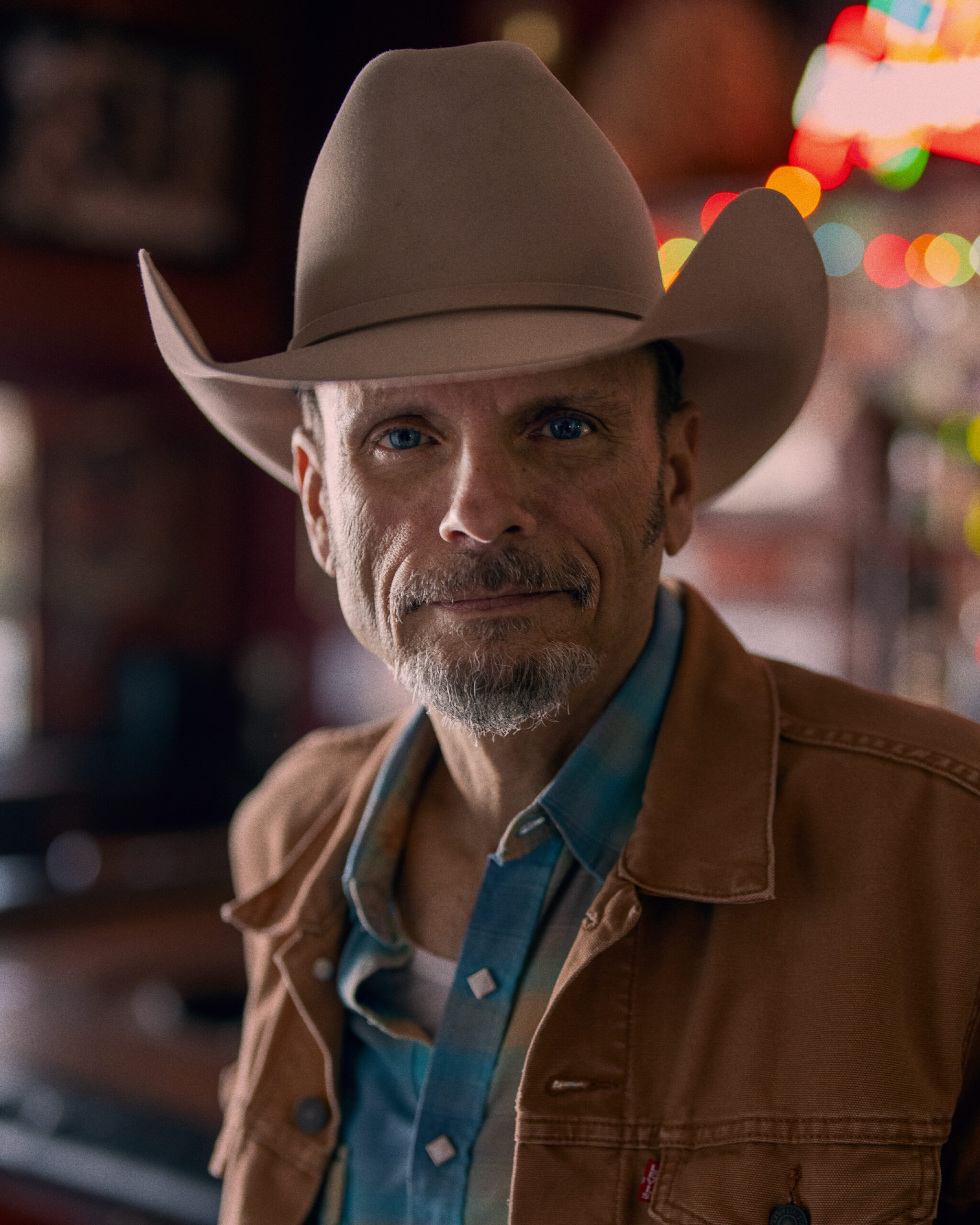
David Serby – An Open Spigot
Ask David Serby how he builds an album’s emotional arc and he doesn’t start with structure — he starts with volume. Writing, he says, works like a water spigot that never really shuts off. As long as he keeps it running, songs keep coming, though not all of them are worth keeping. Some come out “rusty and stale,” others “clear and clean and delicious,” and his job is simply to keep the spigot open and learn to tell the difference.
That process generates far more material than any single record needs. David Serby typically assembles 15 to 20 songs that feel like they belong together sonically and thematically, then narrows that down to roughly ten that can support a larger, sometimes subtle narrative arc. On Broken Heart in a Honky Tonk, that throughline plays out as a series of bar-room conversations — strangers and familiar faces meeting, revealing pieces of themselves, offering small consolations, and occasionally connecting enough to want more time together down the road.
Bakersfield, Reimagined
David Serby is candid about his influences, and about the tradition he’s working within. Owens, Haggard, and Yoakam sit alongside Dave Alvin, The Blasters, Los Lobos, Jason and the Scorchers, X, and Rank & File as artists who took existing storytelling and production templates and did something genuinely original with them. Serby sees himself following that same instinct rather than trying to reinvent country music outright — filtering the genre through everything else he grew up on, from his parents’ big band records to Top 40 pop and classic rock.
He points to the album track “No Happy Endings” as a clear example of that approach in action. Structurally, it’s a simple three-chord song where the verse and chorus share the same chord movement, just compressed in the chorus to add momentum — his own answer to “Act Naturally,” the Johnny Russell and Voni Morrison-penned number-one hit for Buck Owens. But because his band — producer Ed Tree on guitar, David J. Carpenter on bass, and Kevin Jarvis — doesn’t come from a strictly traditional country background, a song that could have easily become a straightforward train-beat country number with pedal steel and twin fiddles instead lands, in Serby’s words, closer to a sixties English pop song.
📄 POLICY WIRE WHITEPAPER PUBLISHED: PAKISTAN'S NATIONAL SECURITY POLICY PRIORITIES
👉 READ BY CLICKING HEREReal People, Not Aspirational Ones
Where a lot of songwriters chase polish, Serby leans the other way. His characters are drawn from flawed, self-sabotaging people because, by his own account, he’s one of them — someone who’s spent a long time recognizing that most of his problems came from repeating the same mistakes rather than planning ahead or bending to the rules. He describes the effort to break that cycle as requiring real focus and diligence, or what his father used to call “stick-to-it-tiveness.”
For Serby, that’s the human condition in miniature: people try to do right by each other, don’t always succeed, and mostly manage not to cause real harm along the way. His songwriting characters carry that same weight. As he puts it, he’s really trying to hide himself inside those people.
Sharing a Stage With Legends
Serby has shared festival bills at Stagecoach with artists ranging from Willie Nelson to Emmylou Harris to a newer wave of Zach Bryan-adjacent acts, giving him an unusual vantage point on where he sits in country music’s current landscape. He’s quick to acknowledge he’s a long way down the ladder from his heroes in terms of commercial success — and equally quick to say that’s fine by him.
He traces that perspective back to a lesson from a screenwriting instructor in film school: find joy in the making of the thing, because you have no control over how the world receives it. Tying his own happiness to how audiences react, he says, would be a fast track to misery. He points to Willie Nelson — 93 years old and still writing, still performing, still sharing music with people he loves — as the model worth chasing: honest, generous, and real. That, Serby says, is all he’s really hoping to do himself.
Broken Heart in a Honky Tonk is out now.
Author