


Harmony Creek: 16 Kids, Systemic Neglect in Ohio
The shocking discovery of 16 neglected children in Harmony Creek, Ohio, reveals deep societal cracks. Explore systemic failures, political fallout, and call for urgent social service reform.

POLICY WIRE — Harmony Creek, Ohio — They say small towns keep secrets. Sometimes, those secrets aren’t tucked away in dusty attics or whispered in church pews. No, some secrets fester, right out in the open, disguised as everyday humdrum—until they erupt. And what exploded in Harmony Creek, a place that prides itself on Midwestern niceties and tight-knit bonds, was something truly rotten.
It wasn’t a bank heist or some intricate political scandal that ripped through this quiet Ohio enclave. It was the discovery of sixteen children, some barely more than toddlers, others on the cusp of adolescence, living in filth so profound it beggars belief. They weren’t abducted; they weren’t hidden away in some underground bunker. They were there, just a stone’s throw from Main Street, ostensibly part of the community, yet existing in a cruel parallel universe of neglect and desperation.
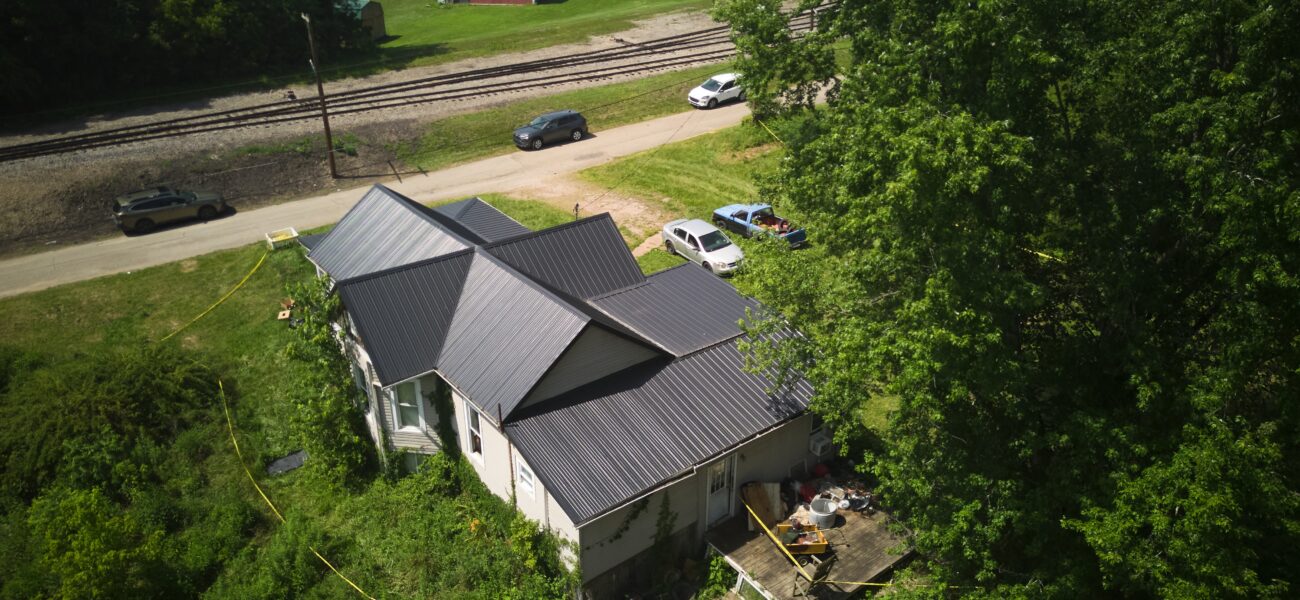
Law enforcement, initially responding to an unrelated noise complaint—ironic, isn’t it, the trivial leading to the tragic?—stumbled upon a home described as something out of a horror film. Imagine rotting food, overflowing refuse, the stench of raw sewage. And these kids, these tiny souls, enduring it all. Their vacant eyes told a story far more harrowing than any police report could capture. “We thought we’d seen it all,” Sheriff David Ramsey admitted, his voice raspy during a hurried press conference. “But this—it just strips you bare. The systems we rely on, they failed these kids, — and that’s on us, the whole community.”
Because how does this happen? In a nation where discussions about individual liberty often overshadow collective responsibility, cases like this shine a brutal spotlight on societal cracks. Harmony Creek isn’t an anomaly. According to a 2023 Annie E. Casey Foundation KIDS COUNT Data Book, 16% of children in Ohio lived in poverty in 2021, a stark reality that makes them disproportionately vulnerable to such grim circumstances. And this vulnerability isn’t confined to a specific ZIP code, nor a specific continent.
We often look to far-off lands, to nations like Pakistan, where humanitarian crises are tragically common, and child welfare agencies battle against staggering odds, to imagine such systemic failings. But then you’re confronted with Harmony Creek, and you’re reminded that the vulnerability of children, the failures of oversight, and the deafening silence of a supposedly watchful community transcend borders. Poverty, inadequate mental health resources, and a struggling social services net combine everywhere to create perfect storm scenarios.
State Senator Maria Rodriguez, who represents the district, didn’t mince words. “We talk about family values — and community bonds, yet these stories keep happening. It’s not about isolated incidents; it’s about underfunded social services and a broader cultural neglect we can’t ignore anymore. It’s a systemic rot.” Her exasperation wasn’t feigned. Nobody wants to believe this kind of misery lives next door. But it does.
The alleged caregivers—adults whose names have yet to be fully released, but who were immediately taken into custody—will face charges. But is justice just about punishment for a few individuals? Or does it demand a deeper introspection from everyone involved? From the neighbors who never saw anything ‘bad enough,’ to the public officials who preach fiscal austerity at the expense of crucial social programs.
📄 POLICY WIRE WHITEPAPER PUBLISHED: PAKISTAN'S NATIONAL SECURITY POLICY PRIORITIES
👉 READ BY CLICKING HEREOne might recall a historical context where communities rallied around ideals of common good. But lately, we seem to have drifted, creating fault lines where such tragedies slip through, unnoticed until it’s too late. It’s a bitter pill to swallow, this realization that the ideals celebrated during say, America’s Quarter-Millennium Jubilee, sometimes ring hollow in places like Harmony Creek. Or in the face of widespread social upheaval, not dissimilar to how Germany’s streets ignite over perceived societal failings.
It’s messy. It’s uncomfortable. And it absolutely requires a deeper look at the collective conscience.
What This Means
This horrifying incident in Harmony Creek isn’t just a local tragedy; it’s a profound political and economic flashpoint. For starters, it immediately reignites the often-stalled debate over social services funding. Years of budget cuts, especially at the state and local levels, have left child protective services stretched thin, caseworkers overwhelmed, and early intervention programs severely lacking. Policymakers, already facing tight budgets and public skepticism toward ‘big government’ solutions, are now staring down a catastrophic failure that screams for immediate and substantial investment.
Economically, such revelations impact everything from property values (no one wants to move to ‘the town where kids starved’) to the long-term human capital of a community. Children suffering extreme neglect face higher risks of chronic health issues, developmental delays, and future unemployment—creating a costly societal burden for decades. the political fallout could be significant, with local officials facing intense scrutiny and potential electoral repercussions. Voters don’t easily forgive perceived dereliction of duty, especially when it involves children. It forces a hard look at the definition of ‘community,’ exposing the often-fragile social safety nets and the painful truth that civic responsibility sometimes ends where inconvenience begins.