


Stranded Seafarers: Persian Gulf’s Unseen Crisis
An Indian captain's ordeal reveals thousands of seafarers trapped in the volatile Persian Gulf. Uncover the unseen human cost of geopolitical tensions impacting global trade.

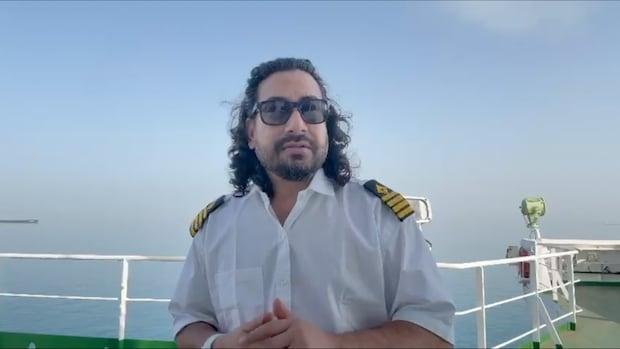
POLICY WIRE — An Indian sea captain, recently back on dry land after spending over two months marooned aboard an oil tanker in the Persian Gulf, has cast a harsh light on the hidden human toll of geopolitical unrest. His experience, unfolding amidst the intensifying backdrop of what he describes as the U.S. and Israel-Iran war, is, he argues, far from unique.
His deeply unsettling ordeal serves as a stark reminder: thousands of seafarers remain caught in similar, precarious positions within one of the world’s most critical — and volatile — shipping lanes. The captain emphasizes that these crucial workers, who underpin global trade, often find their perils largely unacknowledged.
His specific situation, according to wire reports, involved an extended confinement on his vessel as diplomatic and military tensions escalated across the region. This personal account brings into focus the broader challenges faced by the global maritime industry, particularly the crews navigating contested waters. It underscores not only the direct physical risks but also the psychological strain endured by those whose livelihoods place them at the epicenter of international disputes.
The Persian Gulf, a strategic choke point for global oil and gas supplies, has for months been a theater of heightened friction. From drone attacks to ship seizures and military posturing, the environment for commercial shipping has become increasingly fraught. For seafarers, who frequently spend months, if not years, away from home, these developments mean added layers of anxiety, not just for their own safety but also for the families who wait for them in distant ports.
This critical infrastructure of global trade, powered by the often-unseen work of mariners, demands a stable and secure environment. Yet, when political and military objectives collide, these individuals and their vessels frequently become incidental — or even deliberate — casualties. The captain’s plea is for greater public and political recognition of these overlooked essential workers, whose contributions keep supply chains moving even as the waters around them grow turbulent.
📄 POLICY WIRE WHITEPAPER PUBLISHED: PAKISTAN'S NATIONAL SECURITY POLICY PRIORITIES
👉 READ BY CLICKING HEREWhat This Means
The recent experience of the Indian sea captain underscores a looming humanitarian crisis within the broader geopolitical struggle in the Middle East. Maritime operations are foundational to the global economy, moving roughly 90% of all internationally traded goods. When the safety of these routes is compromised, particularly by geopolitical conflict, the ripples extend far beyond the immediate region.
The calls for greater recognition for mariners highlight systemic vulnerabilities in how the international community addresses the welfare of seafarers during conflict. Current international laws and conventions exist to protect crews and shipping, but their enforcement becomes challenging in environments marked by irregular warfare or escalating military brinkmanship. There’s an open question about whether enough is being done by international bodies, shipping companies, and flag states to ensure timely repatriation, access to medical care, and overall safety for those on board vessels caught in the crossfire.
Moving forward, the spotlight on the Persian Gulf’s strategic importance will likely intensify. This suggests a continued, if not increased, risk for maritime operations — and personnel. Without a more robust, coordinated effort to safeguard seafarers’ rights and provide pathways out of crisis zones, individual stories like that of the Indian sea captain may become alarmingly common, potentially disrupting global trade and revealing a severe oversight in the protection of a critical workforce. This situation presents a stark reminder of the often-unseen human element caught in large-scale geopolitical tensions, urging policymakers to consider the human cost of escalating international friction.