


New Mexico: AI Data Center Halt Over Water & Power
New Mexico plans a 2027 moratorium on AI data centers amid public outcry over water use and power demands. See why states are re-evaluating unchecked tech growth.

POLICY WIRE — Santa Fe, N.M. — It turns out even the driest corner of the American Southwest—a land accustomed to hardscrabble living—can’t escape the fevered march of artificial intelligence. Not without a fight, anyway. What you see unfolding here, in New Mexico’s high desert plains, isn’t just a local scuffle over pixels — and silicon. It’s a full-blown reckoning between the voracious appetites of hyperscale data operations and communities clinging to scarce resources.
Lawmakers here, predominantly Democrats, have decided enough’s enough. They’re not waiting for disaster. Instead, they’re laying plans for a 2027 legislative push to slap a statewide moratorium on these colossal data centers. State representatives Micaela Lara Cadena, Angelica Rubio, and Eleanor Chávez are spearheading the charge, with state Sen. Carrie Hamblen backing the proposal. The intent isn’t to shutter all innovation, mind you, but to hit pause. They want a hard stop on new large-scale projects until the state can figure out what it’s really getting into—specifically, what it’ll cost in terms of water usage, electricity demands, and how deeply it’ll ding utility bills.
It’s not just New Mexico politicians acting cagey. Across the country, people are getting twitchy about how fast AI is moving — and what it means for their backyard. The public unease is pretty stark, actually. A recent Gallup poll—worth paying attention to—found that seven in ten Americans oppose building AI data centers in their local area. That’s a staggering majority, one that cuts across the usual partisan lines, showing 75% opposition among Democrats and 63% among Republicans. This isn’t just political grandstanding; it’s genuine public angst.
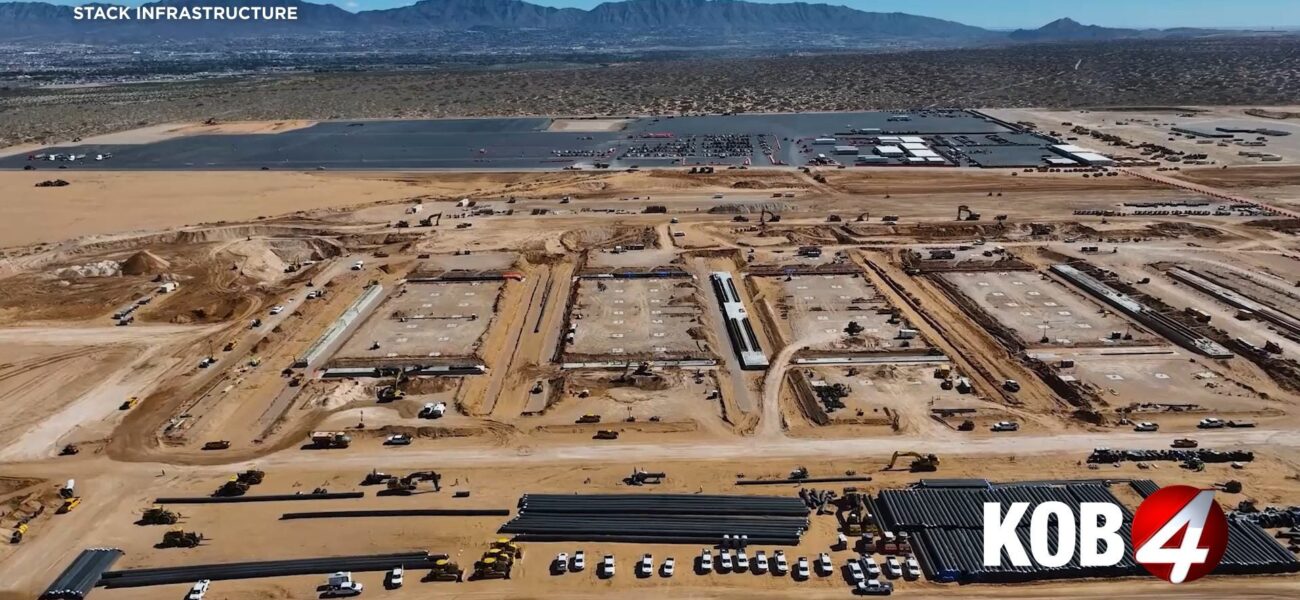
But the data center juggernaut hardly idles. Case in point: Project Jupiter. It’s an AI hyperscale data center now rising in the Santa Teresa/Sunland Park border region. Doña Ana County approved a rather hefty $165 billion Industrial Revenue Bond for it last September. Sounds good, right? A boom! Except some local officials, according to Rep. Lara Cadena, still can’t provide [QUOTE_PLACEHOLDER] for constituents seeking accountability on water use and emissions.
And water, as you can imagine in a place like New Mexico, is everything. Project Jupiter leadership insists they won’t siphon off public drinking water, nor will they drill new wells. Their plan? An evaporative closed-loop cooling system, which, by their own account, will require 960,000 gallons of water just to kick things off. That’s a lot of initial wetness in a dry, dry state. Rep. Rubio put it bluntly, saying, [QUOTE_PLACEHOLDER] And she’s got a point. She warned, “We are watching this industry move faster than our laws, our water systems, and our communities can keep up with.” That’s a pace almost nobody can match.
This kind of clash isn’t exclusive to these arid lands, either. You see similar, often exasperated debates in resource-scarce nations worldwide, places like Pakistan or parts of South Asia, where the digital revolution is racing against an aging infrastructure and growing climate pressures. Just as communities in New Mexico fear new tech drying up their already strained aquifers, populations across the Muslim world fret over energy grids struggling to meet the escalating demands of data-hungry economies.
Even staunchly conservative figures like Texas Gov. Greg Abbott, who once sang the praises of his state as [QUOTE_PLACEHOLDER], are changing their tune. Now, Abbott wants more regulation, calling for blocking AI data centers in rural parts of Texas, because, you know, neighbors tend to complain when a new building sucks up all the juice and floods the power grid. It’s a sentiment echoing along the I-25 corridor here.
📄 POLICY WIRE WHITEPAPER PUBLISHED: PAKISTAN'S NATIONAL SECURITY POLICY PRIORITIES
👉 READ BY CLICKING HERESanta Fe County just voted for its own 18-month moratorium, though it doesn’t currently have a proposed data center. Socorro County, meanwhile, approved a one-year pause after significant backlash derailed a massive 10,000-acre solar farm and data center plan from Green Data, with New Mexico Tech notably pulling its support. Up in Raton, citizens are resisting a Colorado-based company’s plan to convert an old Kmart into a data center. Neil Segotta, Raton’s city manager, admits to concerns, but frames it as an economic opportunity, saying, “We’re a small town struggling and anything we can do to boost the economy in any positive way, we’re open for that conversation.” It’s a common plea, really.
And even over the border in El Paso, Texas—just a stone’s throw from New Mexico—Meta’s $1.5 billion AI data center is stirring up similar water worries. An incentive agreement went through, but at least one city representative is facing a recall effort over the vote. Turns out, not everyone’s thrilled to hand over a blank check to big tech, especially when local resources are on the line. It’s becoming another chapter in New Mexico’s ongoing multi-front skirmish over land and resources.
What This Means
The legislative proposal in New Mexico, set for 2027, isn’t some rogue act; it’s a direct response to a rapidly accelerating conflict between technological ambition and community welfare. Economically, this move signals a more cautious approach to growth, potentially slowing initial investment in an increasingly hot sector, but also forcing developers to offer more compelling, sustainable benefits upfront. Politically, it frames an emerging bipartisan consensus against unrestrained tech expansion—especially when it strains local infrastructure and resources. This isn’t just about New Mexico’s water; it’s about a larger paradigm shift, where governments, pushed by wary constituents, are insisting on the terms of engagement with an industry that often expects to move first and ask questions later. The implications are broad, challenging the long-held notion that any high-tech development is automatically good for a region, no matter the cost to its natural systems or residents.