

US Territories: Storms Expose Pacific Neglect
As another typhoon threatens US Pacific territories, chronic federal neglect leaves citizens vulnerable. Explore how policy failures endanger lives and strategic interests.

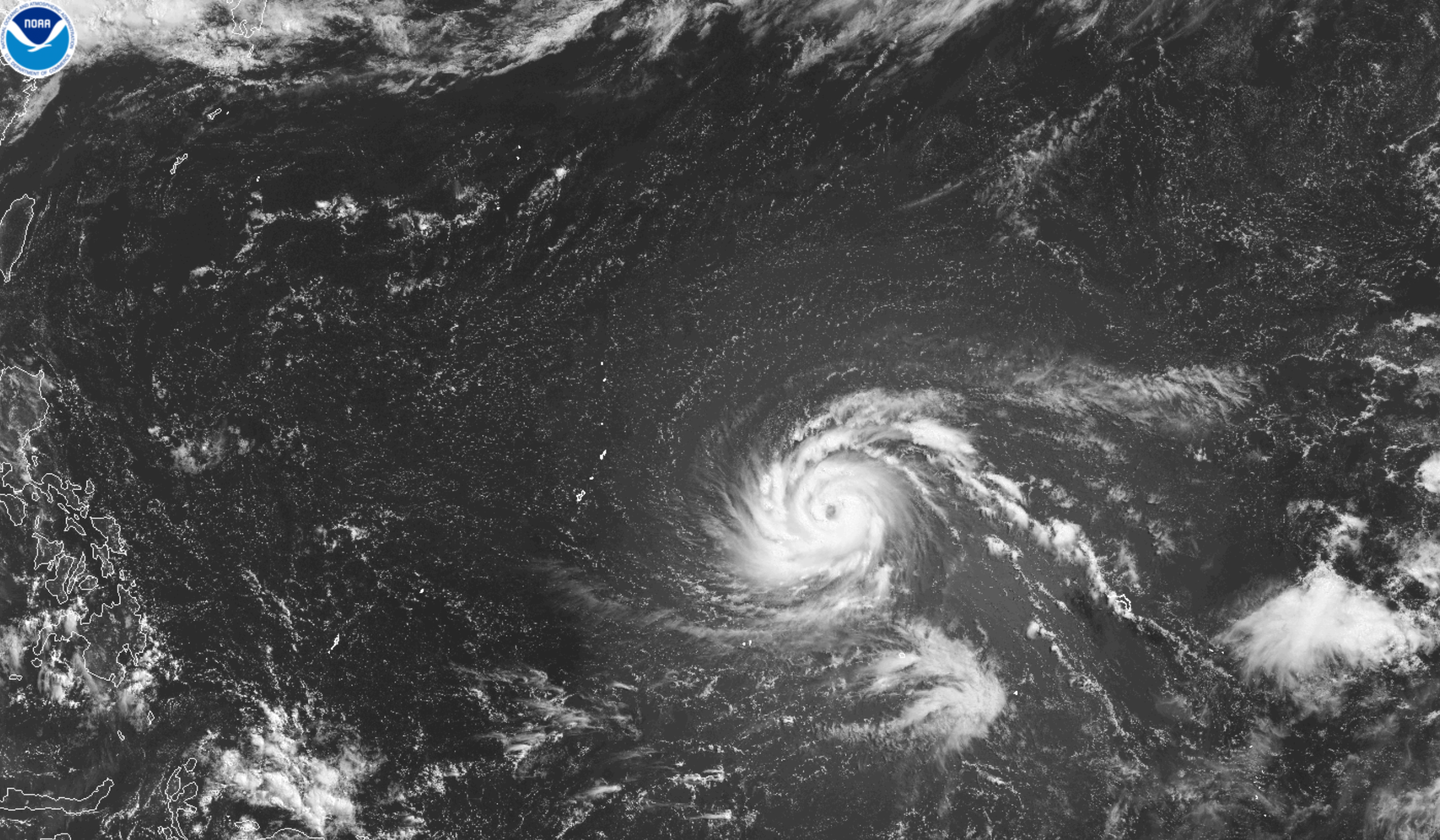
POLICY WIRE — Washington D.C. — Another tempest gathers force over the Pacific—a spectacle of nature’s raw power. But here on the mainland, far removed from the churning seas, you’d hardly know it. That’s the insidious nature of America’s imperial forgetting, isn’t it?
While Washington busies itself with its own self-congratulatory performances, islands like Guam, the Commonwealth of the Northern Mariana Islands, and American Samoa stand on the precipice. These aren’t just dots on a map for some obscure military strategy; they’re home to actual American citizens, albeit ones often treated like second-class curiosities. Now, they’re staring down the barrel of a possible super typhoon, another name to add to the grim roll call of past destructive forces.
The predictable dance has begun: warnings are issued, shelters identified, and folks are told to batten down the hatches. You know, the usual. Except, for these territories, there’s no normal to return to. Many are still struggling to rebuild from the last monster. Remember Typhoon Mawar in May 2023? That storm knocked out power to 98% of Guam — and inflicted hundreds of millions in damage. A report from the US Army Corps of Engineers estimated that post-Mawar debris removal alone in Guam cost approximately $88.5 million, a hefty sum for a territory with a relatively small economy. They haven’t quite finished patching things up, clearing the rubble, or even getting the lights back on for everyone, before Mother Nature, with a particularly nasty sense of humor, decided to send another challenger.
It’s not just the physical destruction; it’s the psychological toll. It’s the cycle of devastation, brief attention from distant federal agencies, then abandonment until the next meteorological event demands a cursory glance. Residents don’t just lose homes; they lose their sense of security. They lose confidence in the government’s ability—or willingness—to protect its distant outposts. It’s a cruel game of disaster whack-a-mole, played with real lives — and meager resources.
And let’s be blunt: if this was Florida, or the Carolinas, the response would be immediate, overwhelming. Helicopters, presidential visits, a flood of media. But these are the Pacific territories. Far out. Easy to overlook. Easy to deem out of sight, out of mind.
The parallels to less affluent nations, those outside America’s protective sphere, are chilling. Look at Pakistan, for example. Floods there in 2022 submerged a third of the country, displaced millions, — and killed over 1,700 people. The global response, while significant in sheer volume, still left vast swathes of the country in prolonged despair, rebuilding slowly, or not at all, before facing the next season’s inevitable climate impacts. Or imagine Bangladesh, with its densely populated, low-lying coastal regions, facing cyclical monsoons and cyclones that routinely decimate infrastructure and agricultural lands. They don’t have the U.S. government on speed dial. The underlying story—vulnerable populations, systemic neglect, and the accelerating consequences of a changing climate—it’s universal.
But the irony here is rich. These aren’t just some distant land. These islands are absolutely critical to US strategic interests in the Indo-Pacific. They’re military outposts, projection platforms, eyes on a region where geopolitical tensions are always simmering. You’d think the stewards of global order would want their staging grounds resilient, their local populations well-tended. But no. The calculus, it seems, is always short-term, reactive, — and ultimately, penny-wise and pound-foolish.
They’ve already had to evacuate non-essential military personnel from Guam ahead of this potential typhoon. Think about that for a second. The very assets meant to project power — and stability need to flee when the weather gets a bit nasty. It’s almost a metaphor for the brittle nature of their broader strategy.
It’s not just a weather report; it’s a policy failure. It’s an administrative apathy that leaves communities exposed, continuously cycling through destruction and incomplete reconstruction. [QUOTE_PLACEHOLDER] locals often lament, while others openly question the utility of their American citizenship when calamity strikes. Because honestly, the perceived benefits of being an American territory often feel outweighed by the demonstrable neglect during crisis. They’re effectively colonial outposts, serving a strategic purpose but often denied the full rights and protections mainland citizens might expect.
But then, who’s really listening? Who’s holding the politicians accountable for what happens in places many Americans couldn’t even find on a map? Not many, it seems.
What This Means
This impending typhoon isn’t just another meteorological event; it’s a stark revelation of deep-seated administrative fractures and geopolitical vulnerabilities. Economically, repeated severe weather events devastate local economies that lack the robust diversified structures of larger states. Small businesses are wiped out. Critical infrastructure, perpetually underfunded, becomes increasingly brittle, unable to withstand successive assaults. The cost of living spirals post-disaster, driving out those with means, — and further impoverishing those without. Insurance markets in these regions are also increasingly fragile; good luck getting affordable coverage when you’re hit every other year. You’re left with communities that can barely catch their breath, let alone build long-term economic stability.
Politically, the continuous cycle of disaster and delayed recovery fuels resentment and questions of self-determination. When the federal response is perceived as lackluster, calls for greater autonomy or even independence gain traction. It’s a critical stress point in the US’s relationship with its territories, undermining the very legitimacy of the federal government in the eyes of its distant citizens. It’s a situation that could, if exacerbated, complicate military readiness and community relations for US forces stationed there. For the US to maintain its strategic leverage in the Indo-Pacific, its Pacific territories must be seen as partners, not forgotten outposts. Ignoring their basic needs in a time of crisis signals weakness, both domestically and to geopolitical rivals eager to highlight America’s perceived inconsistencies. This isn’t just about storms; it’s about the very fabric of governance and the implicit social contract between a state and its people.