

Albuquerque Police Shootings: A Systemic Crisis
Albuquerque's recent fatal police shootings expose systemic failures in mental health crisis intervention. Unpack the human cost, eroded trust, and global implications.

POLICY WIRE — Albuquerque, United States — It’s a call no one wants to make. A friend in distress, words suggesting an exit from a world gone sideways. But in late May, that desperate plea didn’t lead to succor; it instead spiraled into yet another bullet-riddled ledger entry for the Albuquerque Police Department. Two lives extinguished. Two families forever changed. And yet, the official releases—the dry recounting of events—tell only a fraction of a far messier tale about how American society, despite its prosperity, grapples with its most vulnerable members.
Consider the story of Jose Armas. Twenty-three years old, troubled, — and reaching out. A friend called 911, reporting a fear that Armas might hurt himself. The specific plea on that call? “I wanted to see if a friend of mine could get a welfare check, they’re, were, talking about hurting themselves.” Those words, filled with raw apprehension, started a chain reaction that police narratives invariably gloss over, framing the events in terms of actions taken rather than the human breakdown preceding them. [QUOTE_PLACEHOLDER]
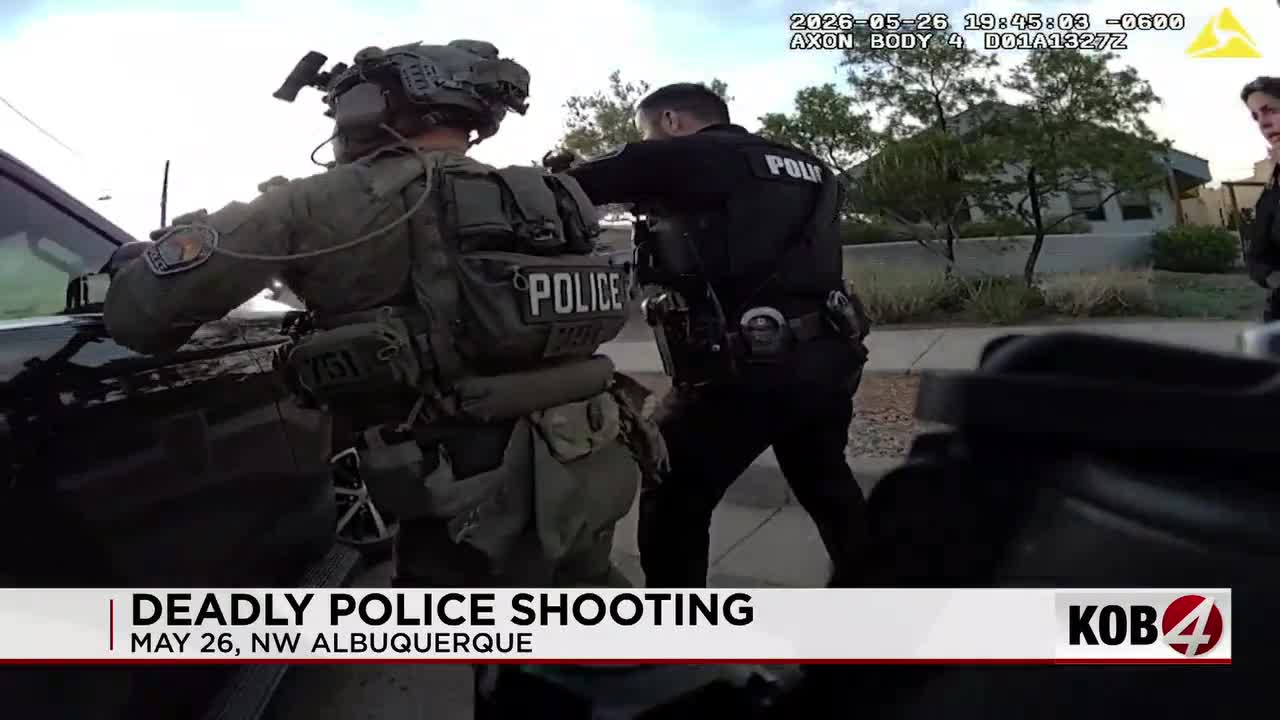
It’s always the gun that becomes the protagonist in these police reports, isn’t it? Officers, according to their own account, arrived to find Armas’ brother attempting to intervene. Then, word arrived that Armas had a gun. Family members were hustled away, and what followed was a standoff, a protracted agony, about 45 minutes of purported de-escalation that nonetheless ended with Armas inside, firing toward officers from an upstairs window. He then walked out, fired into the air, — and was met with gunfire. Chest. Arm. He died right there. A welfare check turned into a body on the asphalt. What went wrong? It’s never one thing, is it?
Just days later, the city got another tragic update. Robert Salas, age 35. His death, too, was born of trespass — and an alleged defiance. Police said officers responded to a no trespassing call at a commercial building. Salas was among a group. He reportedly ignored commands. An officer pulled out a Taser, then, when Salas allegedly rushed toward another officer with a knife, both opened fire. Salas was hit three times—head, leg, leg. Died on scene. Just like that.
This isn’t an isolated incident. These shootings contributed to what police describe as four officer-involved shootings in ten days in Albuquerque. Think about that for a second. Ten days. Four lethal encounters. It’s an unnerving rate for any metropolitan area, but particularly for a city of Albuquerque’s size (its population hovered around 564,559 people in 2023, according to the U.S. Census Bureau). That figure itself feels abstract when you consider the intensely personal, brutal realities behind each incident.
And where does this cycle leave us? These accounts, presented as ‘details’ for transparency’s sake, often serve only to reinforce the established narrative: officer-involved shootings are the unavoidable conclusion to difficult encounters. They don’t probe the upstream failures—the holes in the social fabric, the stretched mental health services, the easy availability of firearms in moments of despair. For a region grappling with its own struggles, like the often-overlooked citizens in New Mexico’s more precarious communities, these episodes speak to a profound vulnerability. And really, shouldn’t we ask for more than just a timeline?
What This Means
This spate of fatal encounters, presented with stark, procedural detachment by authorities, isn’t just a local policing problem; it’s a national symptom with international reverberations. In an era where states are increasingly called upon to serve as both protectors and mental health caregivers, these incidents showcase a distinct failure in bridging that gap. The knee-jerk reaction of armed response, while sometimes necessary, often appears to be the default for situations that scream for more nuanced intervention. We’re paying the cost in human lives, — and perhaps also in trust.
From a political economy perspective, a recurring cycle of lethal force in mental health crises can lead to several implications. It erodes public confidence, necessitating greater financial outlays for police reform, litigation, and community outreach that should’ve been in place years ago. Think about the strain on municipal budgets—money that could address Albuquerque’s elder entitlement challenges or other critical public services is instead diverted to crisis management and its aftermath. But the impact goes beyond budget lines; it permeates the community’s social capital. Citizens become wary, reluctant to call for help, potentially leaving distressed individuals even more isolated. The police themselves are often put in impossible positions, asked to be clinicians — and combatants simultaneously.
Internationally, specifically when you look at nations in South Asia and the broader Muslim world, discussions around police conduct and human rights are a constant, heated debate. Countries like Pakistan, with its own complex history of state-citizen interactions and evolving human rights discourse, frequently face scrutiny regarding policing practices, particularly when it comes to marginalized communities or situations involving mental health distress. While the cultural and legal frameworks are different, the universal questions remain: What is the appropriate state response to mental health crises? How do you prevent desperate acts from becoming fatal encounters? How does one balance public safety with the dignity — and preservation of individual life? The systemic shortcomings revealed by these Albuquerque incidents serve as a stark reminder that even in well-resourced Western nations, the infrastructure for true crisis intervention often falls short. It forces a uncomfortable global comparison: Are we, despite our advanced status, truly better at handling despair, or just better at documenting its tragic conclusions?
And so, we get more details, another glimpse into a system that seems rigged for tragedy when a vulnerable person intersects with an armed authority. We’ve got to start asking if these new details are really helping us understand, or if they’re just another way to politely confirm what we already suspect: something, somewhere, has gone terribly wrong.