


Iran Power Shift: Basij Secures Succession
Iran's power shift looms. The Basij force tightens its grip, ensuring a stable transition and deterring dissent amidst regional complexities. Understand Iran's future.

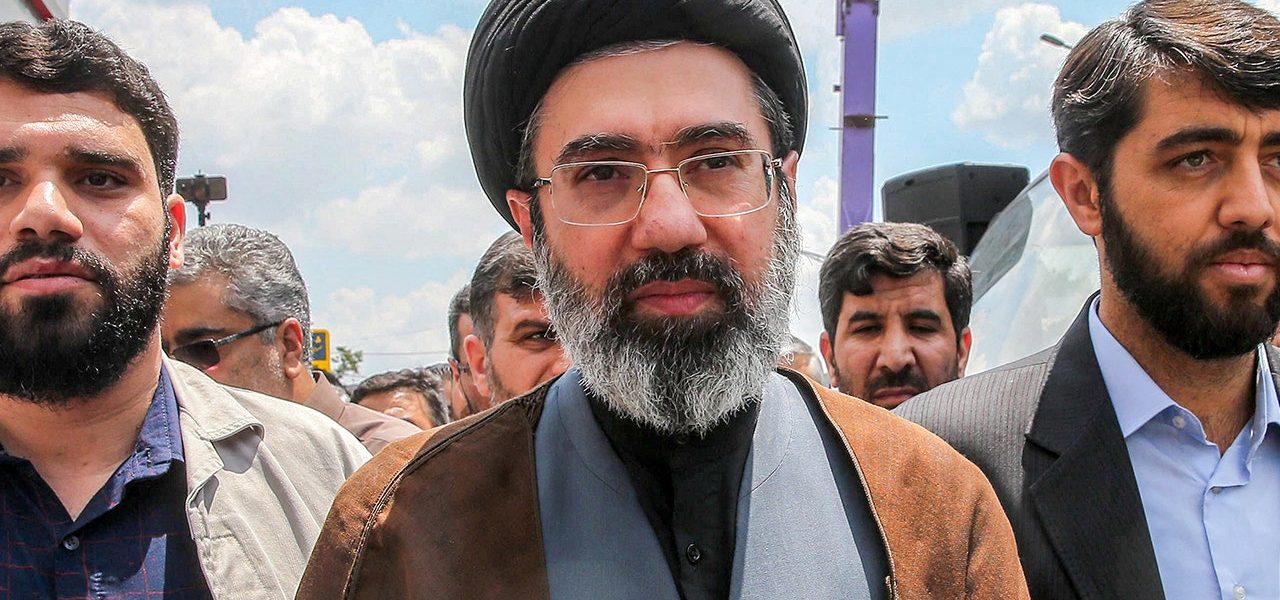
POLICY WIRE — Tehran, Iran — The streets here have seen plenty of processions. They know what it looks like when the faithful mourn, when a nation gathers its breath. But this week feels different. It’s not just the chill in the air, or the somber faces that mark every turn. There’s a quiet intensity, a sense of pre-emptive order as the Islamic Revolutionary Guard Corps (IRGC), particularly its ubiquitous Basij volunteer force, starts its visible deployments.
It’s an unspoken preparation, a grand display of strength designed to smooth an eventual, yet entirely expected, transition of power. What we know for sure—or what official channels imply—is that Supreme Leader Ayatollah Ali Khamenei has passed, his body kept in what insiders term [QUOTE_PLACEHOLDER] for a fittingly drawn-out series of farewells. And those farewells, we hear, will be immense—historic, even.
The Basij, that sprawling network of volunteer militiamen that truly comprises the spine of Iran’s internal security apparatus, isn’t merely preparing for a funeral. They’re preparing for everything that comes after. You see them, in their uniforms, at key intersections, near public squares. Their presence is a reminder: stability, as defined by the current establishment, remains non-negotiable. It’s a message carved directly into the very fabric of Iran’s sociopolitical landscape, reiterated often, and now, shown for all to observe.
This isn’t just about managing crowds. It’s about managing dissent, ensuring order, and, perhaps most importantly, projecting an image of unflinching control during a moment of profound national vulnerability. The succession mechanism in Iran is complex, a mix of clerical deliberation and geopolitical pragmatism, but the Basij’s role in ensuring its execution — and subsequent public acceptance — can’t be overstated. It’s their show, or at least they play a starring role in the choreography of power.
Sources familiar with internal deliberations suggest an unprecedented level of coordination. Officials are reportedly working tirelessly to ensure the smooth handling of ceremonies. There’s no room for error, they insist. No space for any semblance of a vacuum that could invite external meddling or internal challenges. Because, let’s be honest, everyone knows that transitions are weak points. It’s when enemies—real and perceived—start sniffing around. It’s when questions that have been politely shelved for decades suddenly start demanding answers.
And those answers won’t come easy. The choice of successor to Khamenei won’t be simple. His immense spiritual — and political authority, accrued over three decades, leaves colossal boots to fill. Observers widely expect the process to involve the Assembly of Experts—a body of high-ranking clerics responsible for electing and supervising the Supreme Leader. Their work will define Iran for generations.
This careful planning reflects Iran’s deep understanding of its own internal dynamics, but also the turbulent region it inhabits. Consider, for a moment, how keenly nations like Pakistan and other states across the Muslim world will be watching this transition. Any shift in Tehran’s strategic calculus has ripple effects, influencing everything from the Houthi movement in Yemen to Hezbollah in Lebanon, and indeed, broader Middle Eastern stability. A study published by the International Crisis Group in 2022 highlighted that regional proxy conflicts involving Iran intensified by over 30% in periods of perceived internal instability within the Islamic Republic. That’s a sobering figure. They don’t want history repeating itself right now. They can’t afford it, really.
What This Means
This tightly managed sequence of events speaks volumes about the priorities of Iran’s establishment. Politically, the heavy Basij presence isn’t just security theater; it’s a profound statement of institutional resilience and an aggressive warning against any spontaneous social or political uprising. They’re telling the populace: we got this—and more ominously, don’t try anything.
Economically, a smooth transition, however carefully orchestrated, might momentarily steady the nerves of foreign investors eyeing Iran’s markets—though sanctions will remain the dominant force. An orderly handover also means continuity in Tehran’s regional foreign policy, which will either reassure or further alarm its neighbors, depending on their existing relationships. It essentially cements the trajectory of Iran as a regional power with enduring influence, irrespective of the figurehead. For countries like Pakistan, grappling with their own domestic complexities and sectarian balances, the stability—or lack thereof—emanating from Tehran is never a distant concern. They watch these machinations with an intensity few outside the region grasp. The meticulous planning around this succession is, at its core, an intricate dance designed to signal enduring strength, even as the country navigates a profoundly personal loss for its ideological architects. But beneath the surface, behind the show of force, every nation understands that a true power vacuum, even a momentary one, invites all sorts of trouble. They’re working overtime to prevent even a sliver of that.