


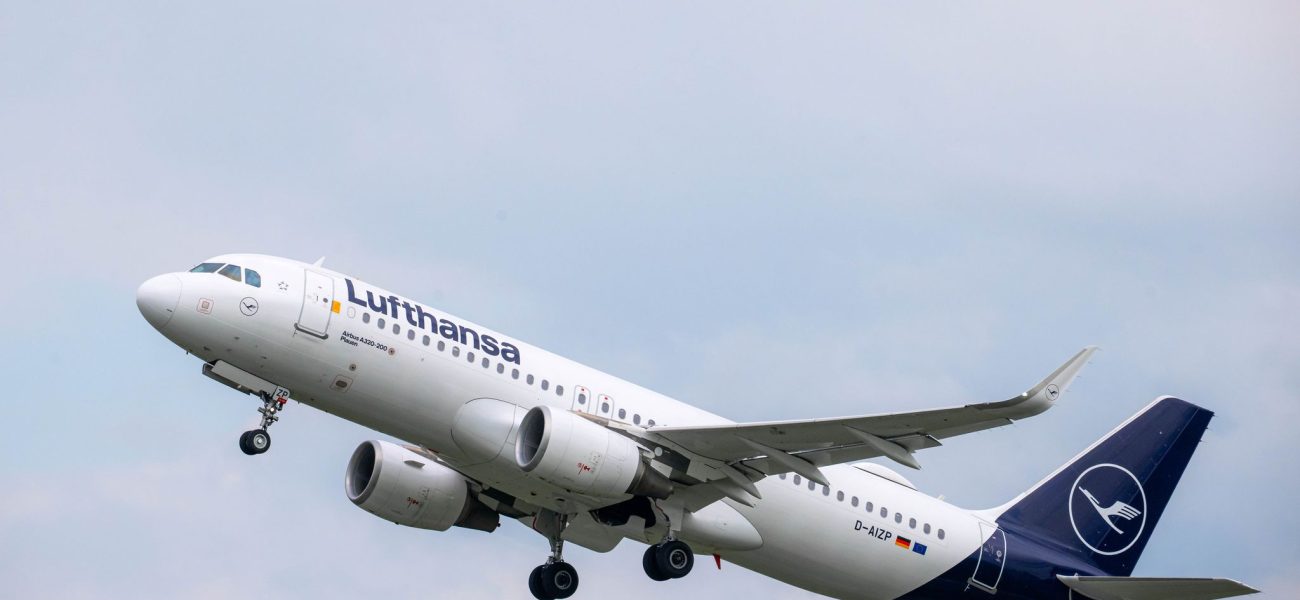
German Flights to Israel: Geopolitical Signal
German carriers resume Tel Aviv flights, signaling more than just renewed travel. Discover how these commercial moves reflect deeper geopolitical shifts in the Middle East.

POLICY WIRE — Berlin, Germany — The hum of commercial jets — German ones, specifically — returning to Tel Aviv’s Ben Gurion Airport isn’t just about rekindled vacation plans or business trips. It’s a carefully calibrated indicator, a subtle yet significant bellwether in the notoriously temperamental climate of the Middle East. Beneath the headlines of expanded flight schedules lies a more intricate narrative, one that speaks to the delicate dance between commerce and diplomacy, stability and apprehension.
It wasn’t that long ago that such airspace felt considerably less accommodating, even hostile. German airlines are expanding flights to Israel as tensions in region ease, a seemingly innocuous statement that conceals a myriad of calculations from boardrooms in Frankfurt to security briefings in Jerusalem. And this isn’t just about Lufthansa — and its kin. It’s about how much the West — and certain quarters of the East — is willing to bet on the prevailing calm, however precarious. [QUOTE_PLACEHOLDER]
For months, the airline industry, a sensitive barometer of global sentiment and perceived safety, saw its traffic to Israel severely curtailed. Cancellations weren’t just about empty seats; they represented a chilling of confidence, a clear message to markets and policymakers alike that the risk calculation had flipped. But now, they’re back. Not with a bang, but with a cautious, methodical return to what some might call normalcy. We’re talking more than just a couple extra daily routes; this is a strategic move by major carriers, carefully planned, economically driven, but politically laden all the same. The direct impact on the German travel sector is palpable, a necessary recovery in the post-pandemic, now conflict-adjusted world.
But consider the optics beyond the boarding gate. A decision by European heavyweights to reinvest in Israeli routes doesn’t just grease the wheels of tourism; it transmits a quiet confidence. For Israel, this influx means more than just tourists; it’s an economic lifeline and, just as importantly, a symbolic nod from key international partners. A return to pre-conflict passenger numbers—or at least a substantial portion thereof—could inject billions back into its service and tech industries. According to data released by the Bank of Israel earlier this year, tourism accounted for approximately 3% of the nation’s GDP before the latest round of major hostilities, highlighting its disproportionate influence on specific sectors.
The geopolitical undertones here are impossible to ignore. Because for all the talk of easing tensions, the region remains a complex mosaic of alliances — and adversaries. These flights don’t just land in Israel; their paths are watched, their implications dissected in capitals across the Middle East. But these re-establishments aren’t happening in a vacuum, you know. They’re part of a larger, evolving diplomatic calculus.
And then there’s the broader Muslim world, a collective observer often left to grapple with these nuanced shifts. Countries like Pakistan, for instance, don’t operate in a direct economic sphere with Israel but are intensely sensitive to regional power dynamics and the optics of Western engagement. The decisions made by European airlines, viewed through this lens, aren’t just commercial. They’re part of a much bigger geopolitical chessboard, sending signals—intended or otherwise—about shifting allegiances, perceived threats, and the fluctuating strength of various diplomatic postures. This subtle recommitment by German business interests serves to subtly cement perceptions of Israel’s continued regional legitimacy, regardless of how other nations choose to interact with it.
📄 POLICY WIRE WHITEPAPER PUBLISHED: PAKISTAN'S NATIONAL SECURITY POLICY PRIORITIES
👉 READ BY CLICKING HEREThe dry, dispassionate analysis by wire services (like ours, Policy Wire) sometimes struggles to capture this granularity, the real-world ripple effects that spread far beyond airport terminals. It’s not simply a tale of planes — and schedules. It’s a testament to the ever-present geopolitical considerations baked into global commerce.
What This Means
This re-expansion of German airline routes isn’t merely an economic recovery story; it’s a quiet endorsement of a fragile new normal. Politically, it signals a pragmatic German foreign policy — perhaps a desire to maintain influence and demonstrate stability in a region fraught with uncertainty. Germany’s relationship with Israel is multifaceted, steeped in history, — and economically consequential. Resuming these flights serves both economic self-interest (tourism, trade, bilateral ties) and broader strategic goals, subtly affirming its support while also aiming to stabilize commercial pathways. From an economic vantage, it offers Israel a tangible boost in foreign currency and visitor numbers, bolstering sectors hit hard by recent instability. But it also demonstrates a careful risk assessment from German boardrooms. They’ve evidently weighed the continued — often latent — volatility against the clear economic benefits of connectivity. And that’s telling.
For the wider region and the Muslim world, especially nations like Pakistan (whose foreign policy remains steadfastly non-recognizing of Israel), these actions from Germany won’t go unnoticed. They represent Europe’s assessment of Israeli stability and its growing integration, albeit often fraught, into the global economy. This isn’t a declaration of absolute peace, but it’s a measured investment in prevailing quietude. It implies a calculation that the immediate economic rewards of reintegration outweigh the immediate security risks, perhaps reflecting a collective international desire to compartmentalize conflict rather than allow it to freeze all commercial relations. It’s an inconvenient truth for those hoping for more transformative change, and a quiet reassurance for those who champion incremental normalcy.