
Fading Hopes in Venezuela as Search Continues Five Days After Twin Earthquakes
POLICY WIRE — Caracas, Venezuela — Five days have now passed since twin earthquakes tore through northern Venezuela, and with each ticking hour, the slim hopes ...

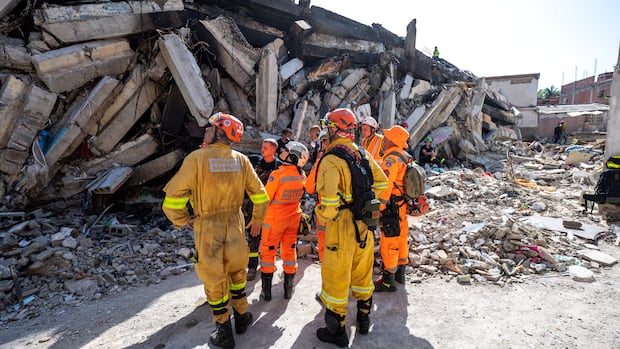
POLICY WIRE — Caracas, Venezuela — Five days have now passed since twin earthquakes tore through northern Venezuela, and with each ticking hour, the slim hopes of finding more survivors diminish against an grim reality. The official death toll has climbed beyond 1,450, according to the Venezuelan government, underscoring the severe human cost of this natural disaster. Rescuers continue their arduous work, but the passage of time weighs heavily.
Relief organizations universally highlight the critical importance of the first 72 hours following such cataclysms. This brief window typically represents the most viable period for locating and extracting individuals trapped under rubble. Beyond this threshold, the chances of survival plummet precipitously, a somber metric well understood by emergency responders worldwide.
Yet, amidst the desolation, a flicker of hope remains. Expert assessment from these same relief organizations indicates that survival can, on occasion, be extended significantly if victims have managed to secure access to fundamental necessities: food and water. These slender chances fuel the ongoing, desperate search efforts across the affected regions of northern Venezuela (Reporting from wire services).
The scale of the devastation unleashed by the twin seismic events is gradually becoming clearer, although a comprehensive picture is slow to emerge. Infrastructure, already fragile in some areas, has likely suffered immense damage, further complicating access for aid workers and medical personnel. Each collapse and each pile of debris represents not just a structural failure but a potential burial site, transforming urban landscapes into vast, grim puzzles for rescue teams.
The declared death toll of more than 1,450 people, as announced by the government, paints a stark portrait of the immediate impact. Beyond the fatalities, countless more are presumed injured, displaced, or left without homes. The sheer number points to a humanitarian crisis that demands extensive resources and sustained attention, both domestically and internationally. This level of sudden, widespread loss places immense strain on national emergency services and healthcare systems already under pressure.
As the initial, frenetic phase of immediate rescue begins to transition into longer-term recovery and assessment, the challenges multiply. Debris removal is a gargantuan task, requiring specialized equipment and careful execution to avoid further harm or destabilization. Providing shelter, medical aid, and psychological support to survivors and those who have lost loved ones becomes the paramount concern. The resilience of communities in the face of such overwhelming loss is continually tested, even as volunteers and professionals work tirelessly alongside each other.
The repercussions of events like these twin earthquakes extend far beyond the immediate casualties and damaged buildings. The economic disruption, the trauma inflicted on an entire population, and the monumental task of rebuilding shattered lives and communities will echo for months, if not years. Indeed, such ‘aftershocks’ — both literal and metaphorical — highlight the pervasive silent grief and challenges confronting regions with crumbling infrastructure, as seen in Caracas and beyond, as they navigate the aftermath.
What This Means
The situation unfolding in Venezuela is a stark reminder of humanity’s vulnerability to seismic activity and the crucial, often heartbreaking, race against time in disaster response. The emphasis by relief organizations on the ‘golden 72 hours’ isn’t just an abstract guideline; it’s a hard-won lesson learned from countless past tragedies. As that window closes, search-and-rescue operations shift from primary rescue to painstaking recovery, requiring a different set of strategies and an even deeper well of emotional fortitude from responders.
While extended survival is possible under specific conditions — primarily access to food and water — these cases are rare exceptions rather than the rule, especially when people are buried under heavy rubble. This event underscores the urgent need for robust building codes, effective early warning systems, and swift, well-coordinated disaster response mechanisms, particularly in geologically active regions. The long road ahead for Venezuela will involve not only rebuilding physical structures but also mending the social fabric and supporting the psychological recovery of its affected citizens, an undertaking that often requires sustained international solidarity and resources.