

Beijing’s Deepfake Dilemma: AI-Generated ‘Indians’ Stoke Digital Fire in Bilateral Brawl
POLICY WIRE — New Delhi, India — The internet’s latest dark art isn’t some rogue hacker or shadowy syndicate; it’s an algorithm. And it’s just churned out a fresh batch of digital...

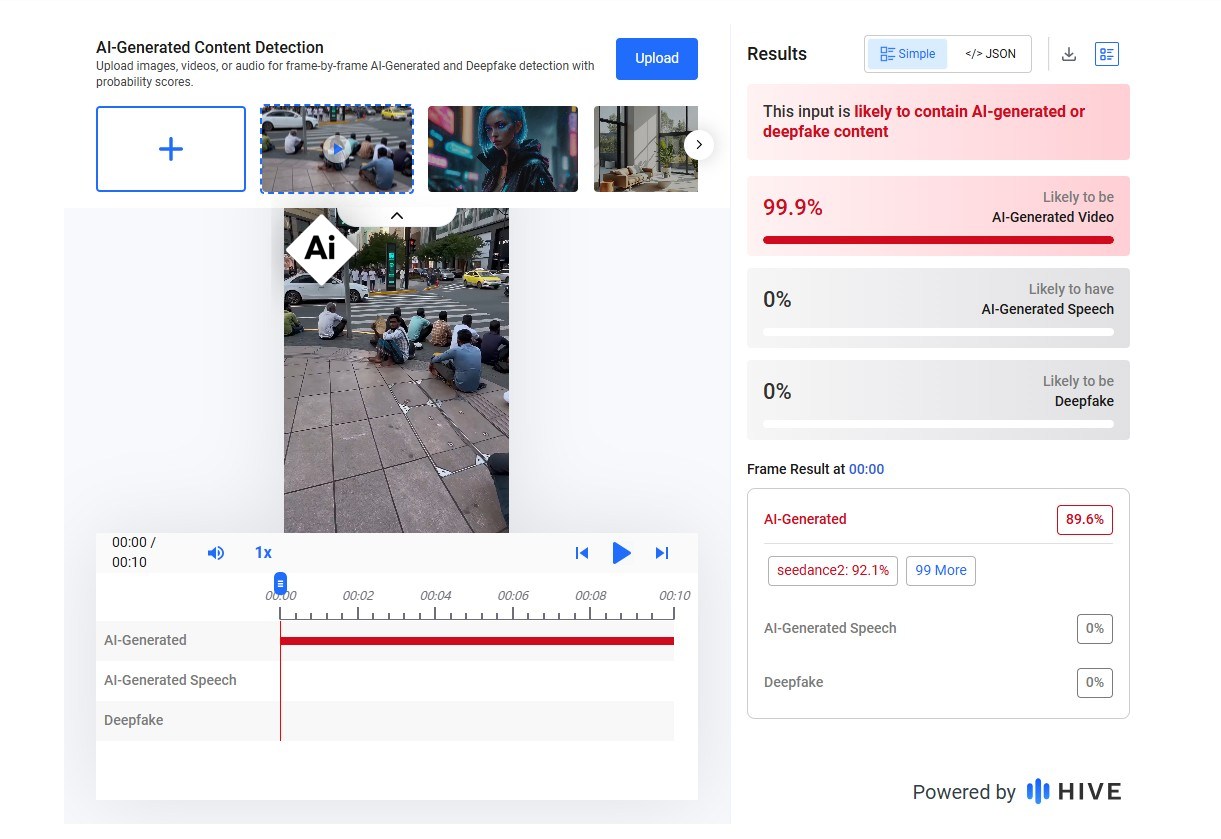
POLICY WIRE — New Delhi, India — The internet’s latest dark art isn’t some rogue hacker or shadowy syndicate; it’s an algorithm. And it’s just churned out a fresh batch of digital poison, this time targeting India’s globetrotters. Picture this: slick, AI-generated videos popping up on Chinese social media, painting Indian visitors as boorish, unhygienic, and altogether unwelcome. It’s not just an affront; it’s a startling glimpse into a new frontier of international digital conflict, where image manipulation is now a weapon of first resort, not last.
It’s a peculiar twist, isn’t it? Just when you thought state-sponsored propaganda couldn’t get any weirder, here we’re, watching pixelated phantoms fuel real-world diplomatic spats. This isn’t about traditional media wars anymore. We’re talking about hyper-realistic deepfakes designed to denigrate, to delegitimize—all packaged in a format so convincing, you’d swear it was real footage.
Because, frankly, the targets aren’t random. These aren’t just a few scattered posts. They’re part of a sustained campaign, observers say, aimed squarely at discouraging travel and, by extension, mutual understanding between two Asian giants whose relationship is already frayed, to put it mildly. Border skirmishes, economic competition—you name it, they’ve probably fought over it. But now, it’s escalated to the digital denigration of entire nationalities.
“Digital misinformation campaigns like this do little to foster the respect necessary for robust bilateral ties, especially between nations of our stature,” observed Indian Ministry of External Affairs spokesperson Arindam Bagchi—known for his measured but firm remarks—in a recent off-the-record chat. His Chinese counterpart, Ambassador Li Wei, spokesperson for China’s Ministry of Foreign Affairs, wasn’t quite so forthcoming publicly. He merely dismissed the videos as “regrettable but isolated incidents, not reflective of the profound friendship between our peoples,” suggesting a typical line-toeing stance, even if the subtext was ‘we don’t condone it, but don’t look too hard either.’
And let’s be honest, who really believes these things are isolated? The rapid spread of AI-generated content—its velocity, its reach—makes that claim laughable. Researchers at the Carnegie Endowment for International Peace recently estimated that the average internet user now encounters AI-generated text or imagery at least once a day, often without even realizing it. That’s a lot of potential influence being wielded by unseen forces, isn’t it? This isn’t a parlor trick; it’s a fundamental shift in how narratives are built — and broken.
Consider the irony: China, a nation celebrated for its technological prowess, finds itself both a beneficiary and a potential victim of AI’s dark side. While its digital firewalls might be formidable, what happens when the poison originates within, then gets laundered through algorithms and spread across platforms? It’s an internal-external paradox.
It also spotlights a growing global vulnerability. From Lahore to London, policymakers are scratching their heads, wondering how to combat this new breed of invisible hand. This kind of content doesn’t just affect tourism; it erodes trust. It sows seeds of animosity that can impact trade deals, diplomatic negotiations, and even how countries like Pakistan—a close Chinese ally but also a significant Muslim-majority nation with deep cultural ties to the subcontinent—perceive their own role in this geopolitical tightrope walk.
You can see how easily these tactics could jump borders, can’t you? Imagine AI-fueled sectarian division or political instability ginned up with convincing but utterly fake visuals. It’s a chilling thought.
What This Means
This escalating digital confrontation has ramifications far beyond the squabble over tourist reputations. Firstly, it formalizes AI-generated disinformation as a potent, low-cost tool for state — and non-state actors alike. It demonstrates a chilling readiness to weaponize algorithms against civilian populations—not with bombs, but with character assassinations writ large on social media feeds.
Economically, it threatens a critical revenue stream: tourism. While India-China tourism might not be at pre-pandemic highs, these campaigns damage perceptions, deterring not just Indian visitors to China, but potentially harming China’s broader image among travelers concerned about digital hostility. And it’s not just tourism: this digital warfare creates an undercurrent of mistrust that can subtly, yet effectively, spoil discussions on Belt and Road initiatives, trade, or even cultural exchange programs.
Politically, it’s a further fracturing of the fragile Sino-Indian relationship. Each such incident builds upon the last, cementing an atmosphere of suspicion — and resentment. It forces diplomatic bodies into reactive modes, focusing on damage control rather than proactive engagement. And what happens when other nations, seeing its perceived success (or at least, its low cost), decide to adopt similar tactics against their rivals? The world quickly becomes a digital Wild West, with truth the first casualty. Nobody wins in that game; it just gets uglier. Even national sports, often a unifier, become targets for such online brigandry—you only have to look at the recent national spirit hijacked by geopolitics elsewhere for proof.