Pitch Perfect Scapegoat? South Korea’s World Cup Exit Sparks Presidential Ire
POLICY WIRE — Seoul, South Korea — The peculiar intertwining of national athletic ambition and executive disappointment has again captured global attention, this time centered on a deflated World Cup...

POLICY WIRE — Seoul, South Korea — The peculiar intertwining of national athletic ambition and executive disappointment has again captured global attention, this time centered on a deflated World Cup campaign. It wasn’t the opposition defense that ultimately crippled South Korea’s football dreams; it seems a presidential decree for investigation might now be the bigger headache.
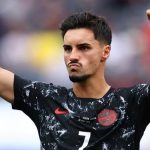
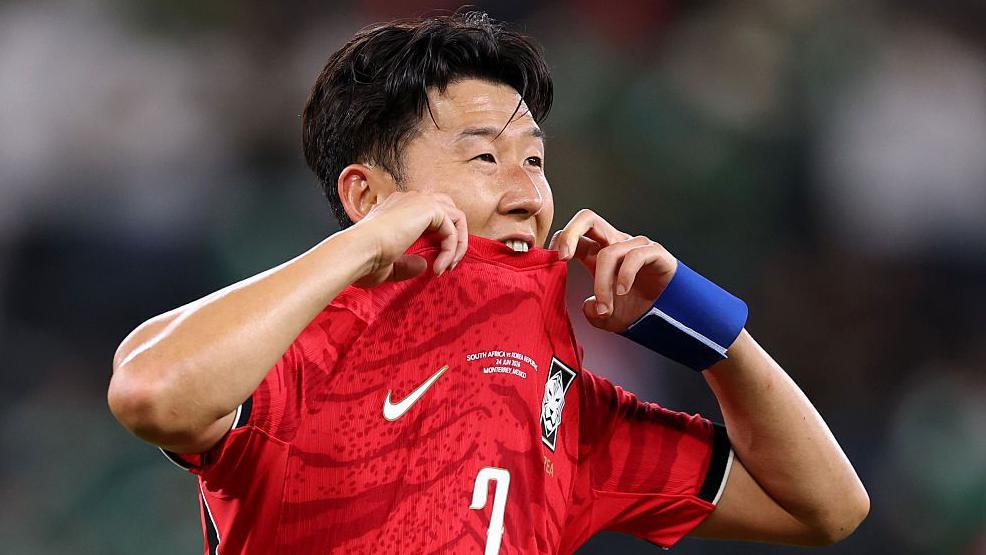
Days after their disappointing exit, it was the national talisman himself, Son Heung-min—a name synonymous with South Korean football—who fronted up. But before his public contrition, something else quite striking unfolded: President Lee Jae Myung had already stepped into the fray, publicly calling for a deep dive into the team’s performance. That’s a significant leap from pitch-side woes to top-level political scrutiny. It suggests that for some nations, sport isn’t just a game; it’s a direct reflection of national capability, a proxy for global standing. [QUOTE_PLACEHOLDER]
Son Heung-min, arguably the most recognizable South Korean athlete of his generation, bore the weight of a country’s unfulfilled expectations. He is the record appearance holder for the men’s team (147), according to official team statistics, having worn the national colors through four World Cups. Yet, the current outcome fell well short of the public’s appetite for triumph. South Korea won their opening game, which, by all accounts, provided a fleeting moment of hope. They then proceeded to lose their next two matches, effectively cementing a third-place finish in Group A. They were eventually beaten 1-0 by South Africa—a particularly stinging defeat that denied them even a shot at being among the eight best third-placed teams.
The aftermath was, predictably, brutal. Head coach Hong Myung-bo tendered his resignation Sunday. And then, there was Son, picking up the pieces on Instagram. I don’t know where to begin, he confessed in an online post on Tuesday. I can’t pretend [nothing happened], — and I don’t want to escape reality. First of all, I would like to say sorry to all the Korean people and to the fans who love football. The language—raw, unvarnished—spoke volumes of the pressure cooker situation. He’s been here before, though—carrying this national load, sometimes on a perpetually injured frame. This time, it seemed particularly heavy.
He expressed the personal toll, too, something often overlooked in the glare of nationalistic fervor. It was a competition that was more important to me than anyone else, and the ‘child’s dream’ that I always talked about has collapsed, he shared. I’m indescribably hurt. It’s still not easy to accept this reality. Imagine, your childhood aspirations crashing down in such a spectacularly public manner—then having to apologize for it to millions. That’s a tough gig, indeed. But he wasn’t finished with his appeal for understanding. Lastly, I feel like asking the fans [for] one more favour in this situation. I’m sorry and heavy, but I beg you to send warm support and encouragement rather than criticising and hurting all the players. A plea for mercy, almost.
Because the emotional investment in sport, particularly football in a country like South Korea, runs bone-deep. We’ve seen similar patterns of fervent attachment — and profound disappointment play out across the subcontinent. Take Pakistan, for instance, where cricket is more than a game—it’s a religion, an identity. The collective heartbreak and subsequent, often aggressive, scrutiny after a poor performance by the national cricket team in Karachi can be as visceral, if not more so, than any political scandal. Players often face intense backlash, public vilification, — and sometimes, even threats. This isn’t just about a score; it’s about perceived national pride, about fulfilling the hopes of a populace starved for good news, or for a moment of shared joy on a global stage. The emotional currency of athletic success in these parts of the world, from Seoul to Lahore, is simply enormous. It’s no wonder, then, that politicians would view such failures as requiring their attention.
And Son promised to double down, promising, I will do my best in my position again to win the hearts of the Korean people and football fans. I will run to death to give you pleasure again. It’s a familiar refrain from athletes worldwide. He’d tried hard this time, even from the bench—the former Tottenham Hotspur forward, who joined MLS side LA FC last August, was dropped from the starting line-up, only to be brought on for the second half. Still, his 2026 World Cup drought continued; he simply couldn’t add to his 56 international goals this time.
What This Means
The President’s intervention here is far more than just expressing fan sentiment. It’s a statement, a political move that transforms a sporting disappointment into a potential government inquiry. This move has ramifications for how national athletic bodies operate, potentially increasing direct political oversight and budget scrutiny. It tells sports federations they’re not just accountable to fans or their respective global organizations, but to the state itself, in a very direct and tangible way.
Economically, consistent World Cup success can translate into increased tourism, foreign investment, and — of course — massive boosts in domestic consumption related to merchandise and broadcasting. A poor showing means lost opportunities, which, in an already competitive global market, isn’t something national leaders take lightly. in many developing economies, the national sports team often serves as a primary source of soft power, shaping international perceptions and fostering domestic unity. To see that dissipate requires political leaders to manage the ensuing public sentiment.
But the move might also set a worrying precedent. What, precisely, would an investigation into a football team’s performance entail? Player strategy? Training regimes? Perhaps, the President means to inquire into resource allocation and administrative efficacy within the sporting establishment, aiming for bureaucratic cleanup rather than tactical dissection. And yet, this direct involvement risks chilling honest athletic performance, forcing players and coaches alike to consider not just their game, but also potential political fallout. For Son, a career marked by relentless commitment—where he vows to ‘run to death’ for his nation—it now comes with an added layer of scrutiny that goes well beyond the turf. It’s an intriguing development, one that observers across the sports world, from Brazil to Karachi, will be watching closely.