


Kyiv’s Daily Toll: Moscow’s Latest Salvo Draws Routine Condemnation as Civilian Count Mounts
POLICY WIRE — Kyiv, Ukraine — The drone’s whine, then the distant thunder, followed by the sirens that have become nothing less than the daily pulse of Kyiv. Another morning, another deluge of...

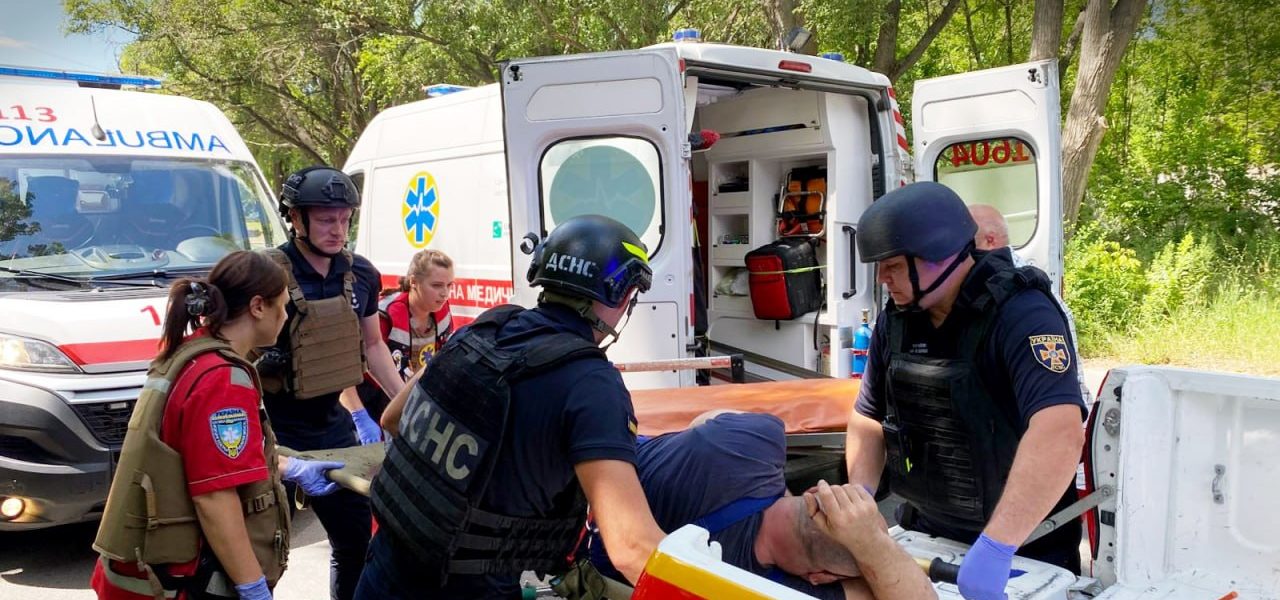
POLICY WIRE — Kyiv, Ukraine — The drone’s whine, then the distant thunder, followed by the sirens that have become nothing less than the daily pulse of Kyiv. Another morning, another deluge of Russian fire upon Ukrainian cities. Twelve souls vanished, forty more mangled — not soldiers on a frontline, mind you, but shoppers, office workers, mothers picking up kids. It’s a scene so achingly familiar, you’d almost miss the shock of it if you weren’t looking. You see the headlines, you hear the numbers, and then life—or what passes for it—carries on. Don’t it always?
President Volodymyr Zelenskyy, now practically a professional purveyor of grief — and resilience, didn’t mince words. He called the assaults “horrific attacks,” naturally. “They keep trying to break us, to terrify us into submission, to erase our very right to exist,” he snapped in a pre-recorded address, his voice raspy with an exhaustion that’s less physical, more existential. “But every day, they fail. And the world sees their barbarity; it must also match our resolve with quicker, stronger action. Enough words, more weapons.” That’s been his drumbeat, hadn’t it?
This latest volley, targeting civilian infrastructure — again — wasn’t some strategic masterstroke. No. It was just more of the slow, grinding horror Moscow deploys to break morale — and instill fear. A missile here, a drone there. Every school, every apartment block, every hospital is a potential bullseye. And it works, to a degree. It leaves craters — and ghosts and a generation of kids who instinctively duck at a sudden loud noise. That’s a legacy for you.
Across the continent, where geopolitical maneuverings often overshadow humanitarian catastrophes, the response felt, well, procedural. NATO Secretary General Jens Stoltenberg offered the usual script. “These indiscriminate attacks underscore Russia’s brutal disregard for civilian life,” he stated from Brussels, likely amidst a fresh cup of coffee and a brief pause between meetings. “NATO allies stand firm with Ukraine, and we continue to provide assistance to bolster their defense capabilities.” Sounds good on paper, doesn’t it? But you hear that — and you wonder: does ‘standing firm’ mean the same thing for the guys pulling bodies from rubble?
But the real questions, the unsettling ones, often get lost in the diplomatic noise. How many more must fall before the global calculus truly shifts? Because the body count climbs daily. According to the UN High Commissioner for Human Rights, civilian casualties in Ukraine since February 2022 have exceeded 30,000, with over 10,000 killed, many of them nameless statistics in this sprawling conflict. That’s a metropolis erased, numerically speaking.
📄 POLICY WIRE WHITEPAPER PUBLISHED: PAKISTAN'S NATIONAL SECURITY POLICY PRIORITIES
👉 READ BY CLICKING HEREIt’s not just a European problem, either. The ripple effects of this prolonged barbarity wash up on distant shores. Energy price hikes, grain shortages—these aren’t abstract concepts to families struggling in Karachi or Kuala Lumpur. A bombing in Kyiv can mean a hungrier household in Lahore. The global south, particularly nations within the Muslim world that already wrestle with their own internal strife and humanitarian crises, watches this saga unfold with a mix of despair and a grim recognition. There’s a cynicism, too, about the seemingly selective outrage on display—a persistent question about why some conflicts garner fervent, sustained international attention, and others don’t. It’s a sentiment that isn’t new, of course. This war just brings it into sharper, colder focus.
What This Means
These latest strikes, while tragically familiar, cement a bitter truth: Russia’s strategy in Ukraine has curdled into a prolonged campaign of attrition and terror. Politically, they’re not aiming for a swift conquest anymore; they’re grinding down the will, both within Ukraine and among its international supporters. The aim seems to be to make life so unbearable that capitulation becomes the ‘lesser evil.’ Economically, this continued destabilization keeps global energy markets jittery, maintaining upward pressure on oil and gas, which then cascades into inflationary woes for almost everyone, everywhere. For nations dependent on food imports, it means continued uncertainty, potentially sparking domestic unrest as staples become luxuries. It also forces a global diplomatic reckoning, or a lack thereof, about intervention and the limits of humanitarian concern. The slow bleed continues, reshaping global norms one shattered windowpane at a time. Nobody wins a protracted war, not really. They just decide who loses the most.