


End of an Era: Nation of Islam’s Enduring Matriarch Passes at Ninety
POLICY WIRE — Chicago, United States — Long before many American households could even utter his name, she stood right beside him, a constant, often quiet, presence. Khadijah Farrakhan,...

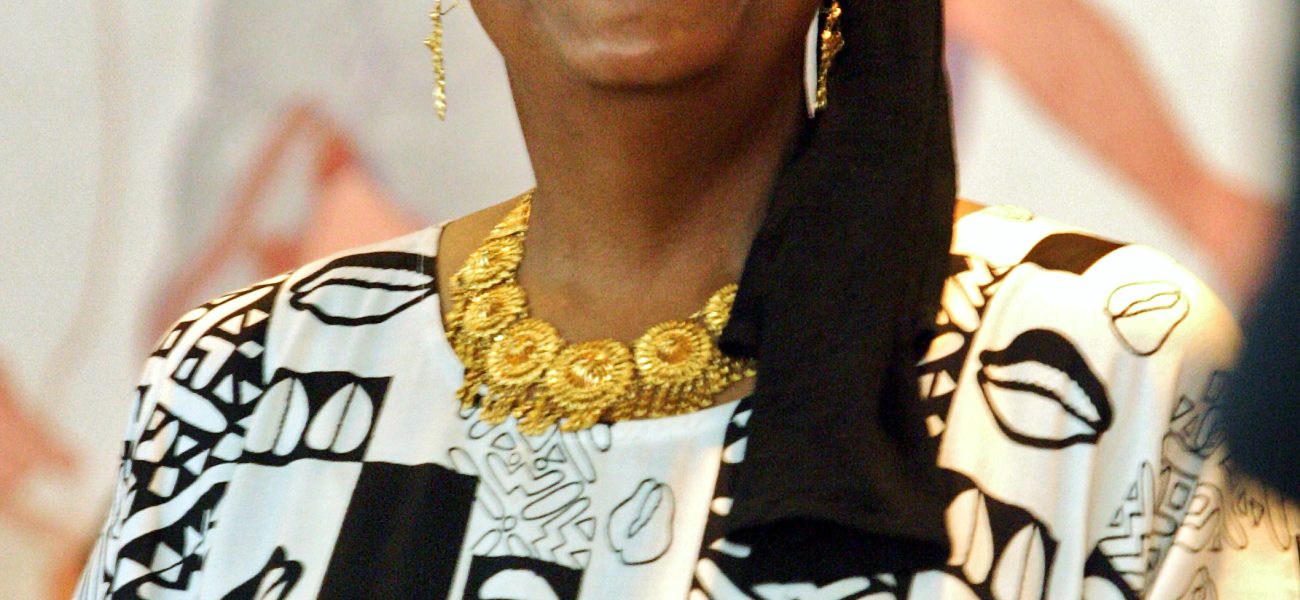
POLICY WIRE — Chicago, United States — Long before many American households could even utter his name, she stood right beside him, a constant, often quiet, presence. Khadijah Farrakhan, affectionately known as the Nation of Islam’s first lady—the steadfast partner of Minister Louis Farrakhan—has exited the world stage at the venerable age of 90. Her passing, though not entirely unexpected given her advanced years, marks more than just the end of a long life; it’s a symbolic closing of a chapter for one of the most recognizable, and frequently controversial, movements in modern Black American history. It’s not every day you see the architect of an entire household step out of the spotlight forever, leaving behind questions about legacy and future direction, especially for an institution as intricate as the NOI.
For decades, she embodied a particular kind of strength—a quiet power wielded not from podiums or rallies, but from within the sanctum of family life. Khadijah, born Betsy Ross and marrying her husband way back in 1953, watched the Nation of Islam evolve from a nascent religious movement into a potent, at times polarizing, force. She wasn’t one for public speeches or flamboyant pronouncements; her role, we’re told, was [QUOTE_PLACEHOLDER] to the minister’s public persona. Think of it: seventy years of marriage—that’s a testament to commitment few achieve today, in any sphere of life. Her influence was domestic, yes, but domesticity, for figures like her, often translates into strategic and emotional support that directly fuels movements and leaders.
And what a movement it was. The Nation of Islam, under her husband’s guidance, swelled its ranks, drawing in hundreds of thousands over its active decades. It provided a powerful sense of identity and purpose for many African Americans, often amidst systemic racism and economic despair. From the Million Man March of 1995, an event that drew an estimated 800,000 to 1.1 million attendees (according to academic and official counts), to its sustained community programs, the NOI forged an undeniable path. Khadijah’s quiet support underpinned much of this public effort. She cultivated the home, yes, but in so doing, created the foundation upon which an entire global narrative was built, albeit one sometimes marred by accusations of antisemitism and racial separatism—complexities that can’t be brushed aside. Her presence always seemed to suggest a quiet confidence in the mission, an unspoken affirmation of a path chosen, however difficult.
But her life also points to the evolving, often complex, roles of women within such religiously and politically charged movements. While celebrated as the first lady, a title mirroring mainstream political convention, her public visibility remained limited. It forces us to ponder the inherent contradictions of a patriarchal leadership structure that nonetheless relies heavily on the strength and dedication of women behind the scenes. Her role was defined as a pillar, a matriarch who kept the domestic order intact while her husband engaged in what many considered prophetic and nation-building work. This is a common thread in powerful, often male-dominated, organizations—from political parties to religious cults—where the women often bear an unseen burden.
Because the trajectory of the Nation of Islam, from Elijah Muhammad to Minister Farrakhan, mirrors, in some unsettling ways, the broader challenges faced by Muslims globally—specifically within South Asia and Pakistan. Think of the internal factions, the ideological battles, the push for self-reliance juxtaposed against external pressures and criticisms. In Pakistan, religious-political parties, often led by powerful, charismatic men, rely heavily on community structures, family networks, and the subtle influence of women to maintain their hold and disseminate their message. Just like the NOI aimed for a distinct Black identity and economic independence, movements in Pakistan like the Jamaat-e-Islami have sought to define a distinct Islamic identity and social order, navigating criticism while nurturing dedicated, if often publicly understated, female support systems. It’s a shared dynamic: the grand public spectacle of leadership versus the quiet, indispensable labor that actually sustains the edifice.
What This Means
The departure of Khadijah Farrakhan, even if a personal rather than political event, carries weighty implications for the Nation of Islam. It marks the first time in an epoch that the organization exists without its ‘first lady’ alongside its founder, potentially signaling a leadership transition phase that’s been brewing for years. Minister Farrakhan is 91 now—one doesn’t need to be a futurist to see what’s coming. The NOI’s political clout has waned significantly from its 1990s peak, though it retains a devoted, if smaller, following and considerable cultural resonance, especially in parts of the inner city where its message of self-help and racial pride still resonates. This transition won’t just be about who fills the top slot; it’ll be about who, if anyone, can command the same personal loyalty and moral authority, not just in front of the cameras but within the intimate, powerful sphere of family and tradition. And it forces an honest conversation about the succession model for a deeply hierarchical organization that relies so much on one family’s continuity.
Her death reminds us of the profound human cost and dedication that goes into building and maintaining a social or political movement—especially one as scrutinized as the Nation of Islam. Without her quiet, seventy-year underpinning, one wonders what, if anything, would have crumbled decades ago. The future of the NOI will depend not just on theological arguments or recruitment drives, but on its ability to evolve beyond a personality cult, should its founder eventually pass from the scene. They’ve got to figure out what sustains a movement when the initial, deeply personal, anchors are no longer present. It’s an American story, really—of faith, identity, and the enduring human effort behind even the most controversial visions. Her long goodbye isn’t just about an individual; it’s about a cultural moment nearing its inflection point.