


Tar Heels’ All-Americans: A Market for Flawless Grit and Collegiate Commodity
POLICY WIRE — Chapel Hill, N.C. — The scent of pine tar and freshly mown grass hangs heavy over college baseball, but beneath the nostalgic veneer, it’s a cold, hard business. So, when North Carolina...

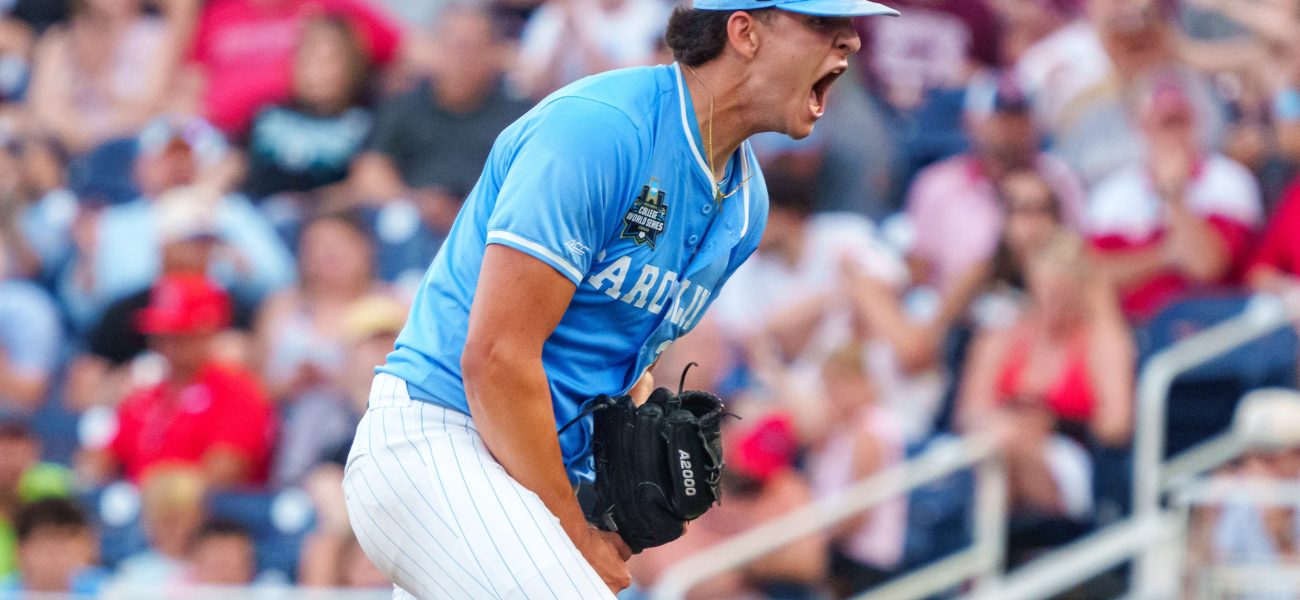
POLICY WIRE — Chapel Hill, N.C. — The scent of pine tar and freshly mown grass hangs heavy over college baseball, but beneath the nostalgic veneer, it’s a cold, hard business. So, when North Carolina rolled into the national championship game, only to falter, one might assume the season’s ledger closed in disappointment. Don’t be fooled. For three of its standout performers—pitchers Jason DeCaro and Caden Glauber, and slugger Owen Hull—the real accounting was just beginning. They’ve been named D1Baseball All-Americans, a nod not just to athletic prowess, but to their escalating market value in an increasingly professionalized collegiate landscape.
It’s an interesting spectacle, isn’t it? The public sees glory; policy wonks see capital formation. Their 54-14-1 record, despite that stinging runner-up finish, painted a picture of consistent, relentless effort. And that effort now carries a hefty, albeit unofficial, price tag. Think of it: colleges are investing millions into sports programs, cultivating young athletes into prime assets. We’re talking about an ecosystem where a top baseball program like UNC often brings in north of $100 million annually in total athletic department revenue, much of it indirectly influenced by the success stories emerging from its competitive ranks. This isn’t just about selling tickets; it’s about branding, donor relations, — and the continuous recruitment cycle.
DeCaro, a junior right-hander, tossed 97.1 innings with a 2.87 ERA. He didn’t just pitch; he carried a whole staff on his back for weeks, carving up opponents with a workmanlike 11–3 record. That kind of dependability, in a system where injuries can tank fortunes overnight, is gold. He posted 99 strikeouts — and a 1.30 WHIP, consistently grinding deep into games. His performance, especially coming off a full collegiate schedule, speaks volumes about a player ready for the next step, ready for the relentless demands of the pro circuit. He’s proven he can absorb an astonishing amount of competitive stress. A true rarity.
Then there’s Glauber, the freshman closer with the nerveless demeanor of an assassin. He rolled through 30 appearances, finishing 12–0 with an absurd 2.05 ERA across 92 innings. Nobody bats against the guy, do they? He piled up 114 strikeouts. A 1.11 WHIP. When Coach Scott Forbes was asked about Glauber’s immediate impact, his response was telling: “The kid doesn’t just miss bats, he snaps them. But really, what Caden, Jason, — and Owen prove is that our system breeds professional mindsets, not just athletes. They’re built for it.” It’s not just a physical transformation; it’s psychological, too.
Owen Hull, meanwhile, provided the brute force at the plate, slashing an eye-popping .393/.500/.615. That kind of production – 27 doubles, nine home runs, — and a team-high 87 RBI – turns heads, plain and simple. And he’s not just a lumbering power hitter; he nabbed 18 bases. Speed, power, average: the trifecta. This isn’t accidental, you see. These athletes don’t emerge fully formed from some cornfield; they’re the product of decades of investment, coaching expertise, and a hyper-competitive youth sports structure that many other nations—particularly in regions like Pakistan or other South Asian countries—can only dream of. The infrastructure required to produce three players of this caliber in a single program? It’s astounding.
📄 POLICY WIRE WHITEPAPER PUBLISHED: PAKISTAN'S NATIONAL SECURITY POLICY PRIORITIES
👉 READ BY CLICKING HEREThe system is incredibly rigorous, a gauntlet. Many hopefuls burn out, many simply aren’t good enough, or maybe they just aren’t lucky enough to avoid debilitating injuries. But these three, they powered through it all. It’s a remarkable feat, given the academic pressures, the travel, the intense scrutiny.
“They represent the future of sports, an exciting but challenging proposition for the institution,” remarked Dr. Lena Khan, a sports economist with ties to both Western — and developing markets. “It’s about balancing elite performance with academic integrity, and ultimately, ensuring they contribute beyond the box score. This sort of athletic perfection is inspirational across cultures, believe me. What these guys accomplish could inspire athletes from Karachi to Kyiv, even if they’re playing cricket or football.”
What This Means
These All-American accolades aren’t just feel-good stories for the sports page; they reflect a hardening reality in collegiate athletics. They’re validation, yes, but also indicators of robust marketability. The transfer portal, NIL deals, and increasingly shorter timelines for top prospects before they hit the professional drafts mean colleges are essentially operating as minor league development academies, albeit under the guise of higher education. For UNC, these selections reinforce its position as an elite talent incubator, a place where promising young athletes don’t just develop their game, they optimize their professional trajectory. It means a higher ceiling for future recruiting classes, continued revenue streams from donors impressed by national recognition, and a stronger bargaining position in the ever-shifting landscape of collegiate sports. But it also raises fundamental questions about equity, athlete welfare in a hyper-capitalized system, and the balance between athletic spectacle and the educational mission.