


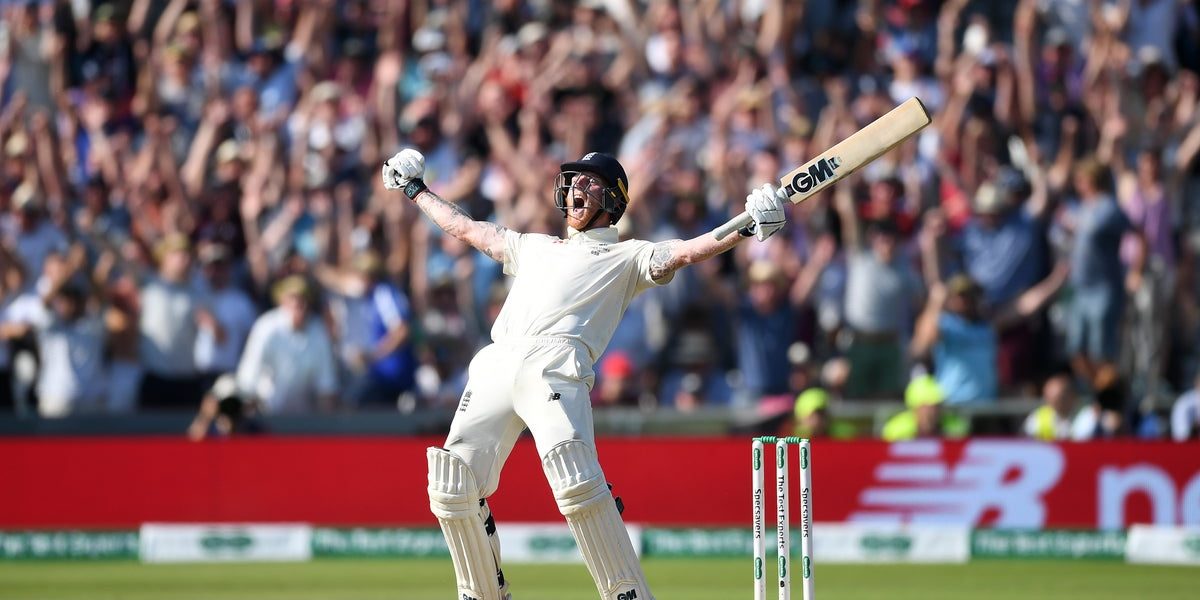
The Stokes Aftermath: England’s Flawed Idol Exits, Leaving a Void Beyond the Boundary
POLICY WIRE — London, UK — For a nation so often defined by its penchant for understated heroism and grim endurance, the electrifying spectacle of Ben Stokes wasn’t just cricket; it was a...

POLICY WIRE — London, UK — For a nation so often defined by its penchant for understated heroism and grim endurance, the electrifying spectacle of Ben Stokes wasn’t just cricket; it was a defiant declaration. His recent, abrupt departure from the international Twenty20 arena, merely a one-game cameo this summer before formally pulling the pin, has left a profound void that extends far beyond the green playing fields of England. It’s not simply a question of runs scored or wickets taken. This is about national psyche, strategic voids, and the uncomfortably sharp edge of human frailty meeting superhuman expectation.
It was always going to end like this, didn’t it? Stokes, a man who consistently pushed the boundaries of his own physical and mental reserves, was never built for quiet goodbyes. The stories write themselves—sometimes good, sometimes distinctly messy—but always epic. From the fiery nights out that threatened to derail everything to the impossible catches and match-winning strokes, he embodied a uniquely British blend of gritty resilience and controversial flair. He didn’t just play; he demanded attention, forced belief.
The English cricketing apparatus, a traditionally staid and ponderous beast, found itself rewired by Stokes’s audacious captaincy. He transformed a side that had limped to just one victory in 17 Tests into an aggressive, often reckless, winning machine dubbed ‘Bazball.’ But like any system built on the singular vision of an iconoclast, its fragility becomes exposed when that figure departs. He carried the weight of expectation—and his team—often almost literally, in ways few players could fathom, let alone execute. Look at the numbers, for instance: between 2016 and 2020, he churned out 3,430 Test runs and snatched 112 wickets, according to ESPN Cricinfo archives. That’s a double threat most teams only dream about, even if it eventually burned him out.
The echoes of this predicament aren’t lost on observers across the cricketing world, especially in South Asia. In countries like Pakistan, where cricket is interwoven with national identity, Stokes’s combative spirit was admired even when it frustrated opponents. He represented a global benchmark for all-round excellence, a challenge for their own emerging talents. For fans there, a rivalry against a Stokes-led England carried an extra layer of competitive fervor, a measure of their own team’s mettle against a genuinely world-class, often unpredictable, force. You couldn’t ignore him; nobody could.
Finding someone to fill that role? Forget it. ‘Generational talents like Ben Stokes aren’t replaced; they’re remembered,’ offered Nasser Hussain, the former England captain and now a prominent commentator. ‘His all-around brilliance and sheer force of will inspired a generation, but the game demands continued innovation, and his departure challenges us to find new paths forward.’ And he’s right. The debate over who steps up to lead, or even perform a fraction of what Stokes did, has been muted by a collective shrug of inevitability. Harry Brook’s promising but green, Joe Root’s done that job before—it wasn’t exactly a roaring success last time. It’s a vacuum. A big one.
📄 POLICY WIRE WHITEPAPER PUBLISHED: PAKISTAN'S NATIONAL SECURITY POLICY PRIORITIES
👉 READ BY CLICKING HEREUK Shadow Secretary for Culture, Media — and Sport, Lena Khan MP, weighed in, highlighting the broader national impact. ‘Sporting heroes aren’t just athletes; they’re symbols of national character, resilience, and ambition,’ she stated in a recent parliamentary address. ‘Mr. Stokes, for all his controversies, consistently embodied a spirit of ‘never say die’ that resonated deeply with the British public. His departure underscores the need for robust talent development pathways, ensuring that individual brilliance isn’t our only national hope for future sporting glory.’
What This Means
Stokes’s retirement isn’t just a cricketing headline; it’s a fascinating micro-study in leadership succession and national brand management. In the grander scheme, it showcases the risks associated with building systems around a single, albeit brilliant, individual. The English cricket board, effectively a semi-public entity influencing significant soft power abroad, now faces a multi-faceted policy challenge. They’ve invested heavily in ‘Bazball’s’ ethos, yet the architect of that aggressive style—its heart and soul, really—is scaling back. This isn’t just about winning games; it’s about maintaining viewership, sponsorship revenue, and England’s standing in global cricket, particularly against economic powerhouses like India’s IPL.
The economic ramifications are subtle but real. High-profile, charismatic players like Stokes drive ticket sales, merchandise, and crucially, television rights, which often see substantial investment from South Asian broadcasters due to cricket’s massive following in that region. His absence could, over time, subtly depress some of that market appeal. Politically, while seemingly minor, national sporting successes contribute to public mood and provide a welcome distraction during challenging times. Losing such a captivating figure, one who so often seemed to pull victory from the jaws of defeat, leaves a little less of that morale-boosting magic for the populace. There’s no one waiting in the wings to offer quite the same brand of ‘impossible’ as Ben Stokes. Succession, it turns out, is tough for everyone.