


Tehran’s Triumphs Derailed: Iran’s World Cup Ordeal Raises Geopolitical Stakes
POLICY WIRE — Washington D.C., U.S. — Call it misfortune, call it an absurd run of bad breaks, or call it something else entirely. Whatever you prefer, the curtain dropped on Iran’s World Cup...

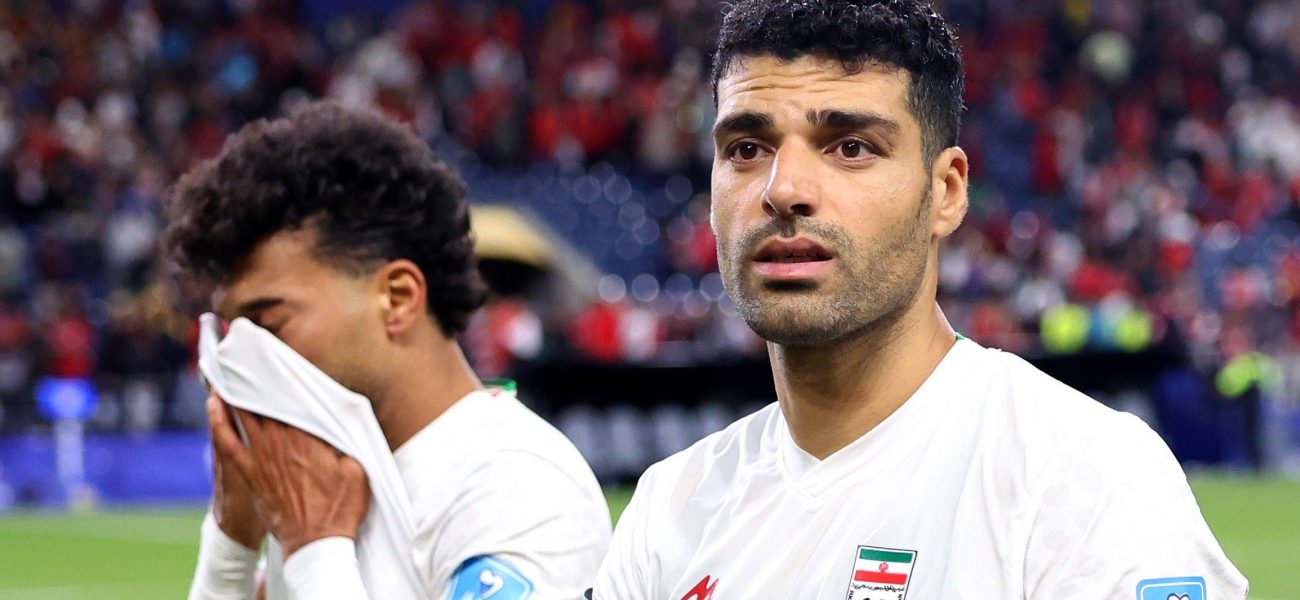
POLICY WIRE — Washington D.C., U.S. — Call it misfortune, call it an absurd run of bad breaks, or call it something else entirely. Whatever you prefer, the curtain dropped on Iran’s World Cup campaign not with a whimper, but with an agonizing, double-tap of fate. But here’s the thing: their departure wasn’t just a football story; it was a gritty illustration of how the sporting arena can mirror and intensify the fraught landscape of global politics, leaving ‘Team Melli’ caught in the crosshairs even before the whistle blew. This wasn’t merely a contest of skill; it was an endurance test against variables way beyond the pitch.
It was never going to be easy, given the noise, the historical baggage, and the constant friction with their host nation, the United States. And they navigated it, almost. Iran remained [QUOTE_PLACEHOLDER], a pretty remarkable feat when you consider all of it. They clawed their way into a position where [QUOTE_PLACEHOLDER] was in their grasp – only for it to be snatched away from them at the last… not once but twice. A kind of Sisyphean saga played out across their final two group-stage contests.
The first blow landed in Seattle, during their match against Egypt. After finding the equalizer through Ramin Rezaeian, an apparent last-gasp winner from Shoja Khalilzadeh sparked [QUOTE_PLACEHOLDER] on the field. Khalilzadeh ripped his shirt off, grabbed some shades—a classic bit of on-field bravado, really. However, [QUOTE_PLACEHOLDER] turned to anguish as the goal was ruled out for offside. The official word? It was [QUOTE_PLACEHOLDER], Khalilzadeh’s toe [QUOTE_PLACEHOLDER]. A millimeter’s difference, enough to deflate a nation’s hopes. That game ended in a draw, forcing Iran to anxiously await the outcome of other matches.
Then came the gut punch, the kind that sticks with you. In the nail-biting showdown between Algeria and Austria, a game that would decide Iran’s destiny, Algeria looked set to win thanks to Riyad Mahrez’s 93rd-minute strike. [QUOTE_PLACEHOLDER] were again [QUOTE_PLACEHOLDER]. Fans were surely, finally exhaling. But then, as the clock ticked past the 95th minute—a 96th-minute equaliser, scored by Sasa Kalajdzic, landed like a brickbat. Austria drew, — and just like that, [QUOTE_PLACEHOLDER] was snatched from them at the very last moment. The margin of exit: ‘on goal difference,’ a statistic often cited by unlucky teams.
The national team’s manager, Amir Ghalenoei, didn’t pull any punches, either, painting a stark picture of what his squad faced off the field. The setup sounds more like a security brief than a tournament prep. Their training base had been shunted from Arizona to Tijuana. Visas? Forget seamless travel; they were allowed into the United States the day before their first two matches, only to be shuffled out again on game day, ‘under the terms of their visas’. Ghalenoei wasn’t shy about it. His side was the [QUOTE_PLACEHOLDER] team at the tournament, he declared. He felt they had been [QUOTE_PLACEHOLDER] of preparation time, given [QUOTE_PLACEHOLDER] the training window it needed. For the Seattle game, those restrictions eased ever so slightly, letting them in [QUOTE_PLACEHOLDER] days early, only to send them back to Tijuana right after. Imagine a football team having to plan their travel schedule around international diplomacy and contentious visa regulations; it’s a hell of a way to run a footballing campaign.
📄 POLICY WIRE WHITEPAPER PUBLISHED: PAKISTAN'S NATIONAL SECURITY POLICY PRIORITIES
👉 READ BY CLICKING HEREGhalenoei, a man not prone to understatement, directly addressed FIFA: [QUOTE_PLACEHOLDER] This isn’t just a sports gripe; it’s a loud, public condemnation, aired on the world stage, with geopolitical reverberations across the Gulf, certainly felt by nations like Pakistan and the wider Muslim world, where such perceived slights carry weight. When you see such treatment meted out to an Islamic republic on the global stage, it tends to draw lines, reinforcing existing narratives of uneven playing fields.
What This Means
This isn’t just about a football team going home. Iran’s World Cup ordeal serves as a stark reminder of the often-unspoken geopolitical tensions that play out, sometimes quite literally, on the world’s most visible sporting stages. The accusations of unfair treatment, coming directly from the team’s manager and citing specific visa and travel constraints imposed by the host nation, transform a sporting exit into a political incident. This narrative will be picked up, amplified, and reinterpreted within Iran, no doubt bolstering official rhetoric concerning international isolation and perceived Western bias. It gives the current regime an external grievance, an easy story of victimization to rally around. But it’s also a lament for Iranian citizens who yearn for national success on a neutral playing field, robbed of what could have been a genuine triumph despite—or perhaps because of—their political circumstances.
Economically, for a country already struggling under sanctions, a deep World Cup run could have offered a psychological boost, maybe even small, indirect economic spill-over from heightened international profile. Instead, the focus pivots to Ghalenoei’s angry plea to FIFA, turning a moment of sporting drama into a diplomatic challenge for future host nations. And for FIFA? This episode puts them in a difficult spot. Their calls for sports to transcend politics often ring hollow when a team’s actual participation is so heavily dictated by diplomatic realities. It highlights the increasingly complicated relationship between sporting organizations and national politics, a dynamic that won’t just disappear with the final whistle of this tournament.