


AI’s Reckoning: Tech’s Golden Goose or Another Bubble About to Burst?
POLICY WIRE — Washington, D.C., USA — It was barely a year ago the future felt — to hear the evangelists tell it, anyway — fully digitized, ready to be whispered into existence by lines of code and...

POLICY WIRE — Washington, D.C., USA — It was barely a year ago the future felt — to hear the evangelists tell it, anyway — fully digitized, ready to be whispered into existence by lines of code and gargantuan computing power. Every sector, we were assured, would be utterly transformed. Capital poured in, chasing the promise of machines that could think, create, and, most importantly, generate staggering profits. But those heady days of unfettered optimism might just be, as the market’s colder eyes suggest, reaching their dramatic crescendo. We’re witnessing something profoundly familiar, aren’t we?
There’s a growing unease now, a subtle tremor beneath the polished facades of tech campuses — and investor pitches. Whisper it, but the great AI boom, a phenomenon that redefined market sentiment seemingly overnight, may be on its last legs. What once felt like an unstoppable ascent now carries the distinct whiff of an impending correction, or worse. Financial chatter, once exclusively bullish, has morphed, becoming a cacophony of speculation regarding whether this revolutionary wave is just another spectacularly inflated balloon—about to go out in a blaze of glory. [QUOTE_PLACEHOLDER]
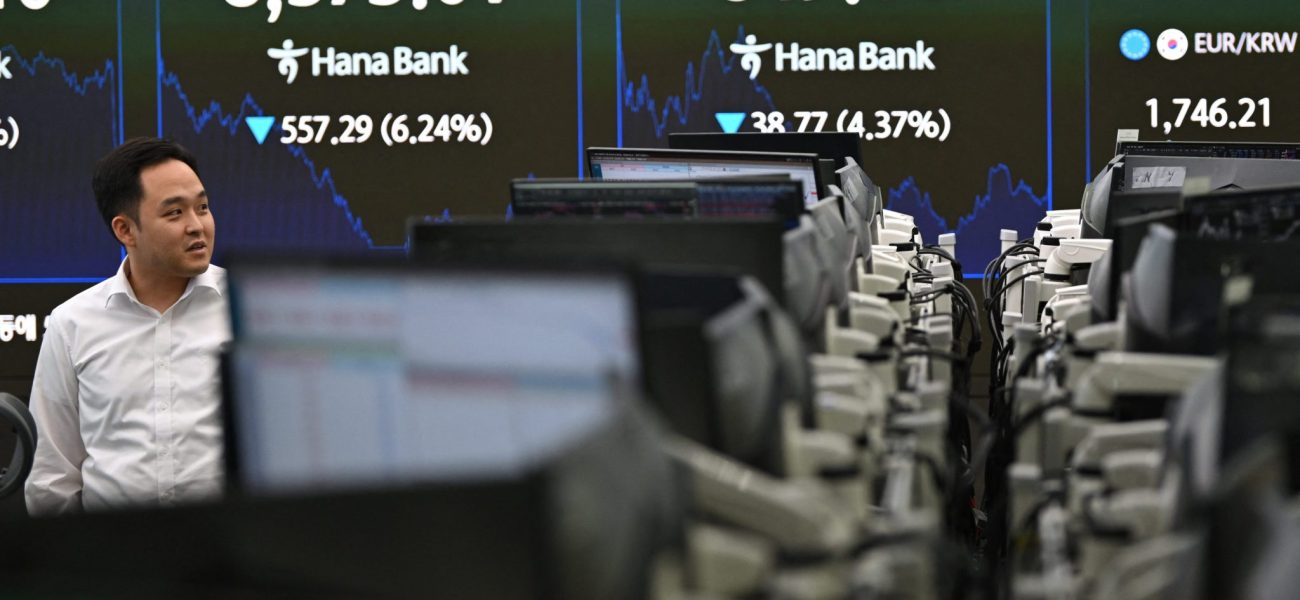
Wall Street, ever the pragmatist, is already navigating turbulent waters. Analysts are starting to signal what they call a ‘blow-off phase’—that breathless, euphoric surge before gravity asserts itself, brutally. You’ve seen it before: dot-coms, housing bubbles, speculative assets of all stripes. This isn’t just theoretical musing. We’re seeing pronounced stock volatility across the tech giants, and a widespread dash for cash by investors getting nervous. Many smart people aren’t betting on continued, exponential growth indefinitely, they’re cashing in. A recent report from PitchBook indicated that venture capital investment into AI startups, after hitting a staggering 9.3% increase in year-over-year funding through Q3 2023, has shown a precipitous 25% decline in deal count in the final quarter. That’s not a hiccup; it’s a trend, plain as day.
And when a sector inflates with this much fervor, the fallout is rarely confined to the boardrooms of Silicon Valley. Consider Pakistan, for instance, a nation grappling with its own profound economic challenges. Its government and burgeoning tech sector have often looked to digital transformation and emerging technologies like AI as potential catalysts for growth and job creation, a vital injection into their economy. They’ve been keen on cultivating a talent pool, hoping to attract foreign investment. But a downturn in global AI investment? That’s not just a setback; it’s a potential wrecking ball for those ambitious plans.
Because while the West’s major economies might weather a tech retraction with some bruises, developing economies often bear the brunt, harder and longer. Their domestic tech ecosystems are less robust, their capital markets more fragile. They’re often relying on an influx of ideas — and investment from the very markets now showing signs of frothiness. If the AI bubble pops, the ripple effect would spread far beyond Palo Alto—reaching cities like Lahore and Karachi, impacting the livelihoods of countless developers and entrepreneurs who’ve staked their futures on this digital promise. The global south doesn’t just watch these developments; it feels them.
We’re not talking about the end of AI itself—that’s ludicrous. The underlying technology is real, profound. But its immediate market valuation, the dizzying expectations, that’s another matter entirely. It’s human nature to overcompensate, to chase the perceived next big thing with blind abandon, only to then retreat in fear when the music stops. This cycle isn’t new; it’s just repeating with a shinier, more sophisticated set of tools. What it signals, ultimately, is a market preparing for a colder, harder dose of reality.
📄 POLICY WIRE WHITEPAPER PUBLISHED: PAKISTAN'S NATIONAL SECURITY POLICY PRIORITIES
👉 READ BY CLICKING HEREWhat This Means
For policymakers and international financial institutions, the implications of this potential contraction are multifaceted and complex. First, expect a global tightening of venture capital flows. Nations like Pakistan, and indeed much of the Muslim world that has eyed AI as a means to leapfrog traditional development hurdles, will find access to capital and advanced technological partnerships more constrained. It’s a double blow: decreased investment locally, — and a less buoyant global market for their tech talent and services.
Second, the political discourse around technological sovereignty might intensify. When dominant tech sectors become unstable, countries are reminded of their reliance on external innovation and capital. This could spur greater domestic investment in foundational research and AI infrastructure, but it might also lead to protectionist impulses, fragmenting the global tech landscape further. A fragile global tech environment, combined with political instability in sensitive regions, creates an uneasy global dynamic. It’s a sobering prospect, really, isn’t it?
Finally, there’s the long-term impact on trust. If this current AI frenzy proves to be more hype than substance in the near-term investment cycle, it will make subsequent, legitimate technological breakthroughs harder to fund and commercialize. We’re facing a period of correction that might just humble a generation of investors, reminding everyone that even the most revolutionary ideas are subject to the cold, hard logic of economics—and sometimes, well, a speculative frenzy that sees a bubble pops anyway. It’s a harsh lesson, — and one the market seems poised to deliver.