

Geopolitics, Offsides, and Anguish: Iran’s World Cup Exit Mired in Controversy
POLICY WIRE — Washington D.C., USA — The final whistle often brings tears at a World Cup, but for Iran, their recent exit wasn’t just a case of missed chances; it was a deeply bitter cocktail of...

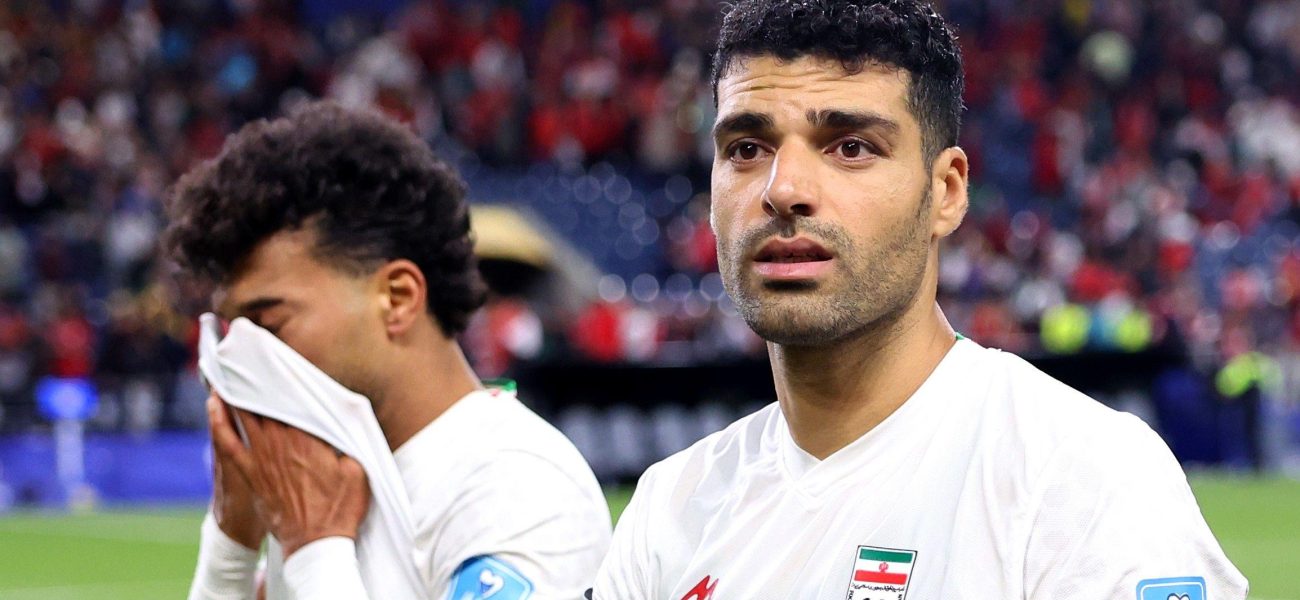
POLICY WIRE — Washington D.C., USA — The final whistle often brings tears at a World Cup, but for Iran, their recent exit wasn’t just a case of missed chances; it was a deeply bitter cocktail of last-gasp heartbreak, questionable officiating, and accusations of political foul play. For a team to depart a global tournament unbeaten in the group stage is rare enough; for them to do it after two goals were snatched away in the dying seconds, all while grappling with stringent visa limitations imposed by the host, it’s practically a novel.
It wasn’t supposed to end this way, not after the sheer grind Team Melli endured. Their campaign, fraught from the get-go with geopolitical entanglements that extended well beyond the touchline, ultimately dissolved in a double dose of last-gasp agony that even hardened observers found difficult to swallow. Remember, these weren’t just any setbacks; they were gut-wrenching twists. First, a last-minute winner against Egypt was chalked off for the tightest of offsides – a literal toe-nail’s width, sources close to the team indicated. Later, after they thought qualification was theirs, a 96th-minute equalizer from Austria against Algeria threw them out on goal difference. But, really, that’s just scratching the surface.
Team Melli coach Amir Ghalenoei minced no words following the final act of their group stage drama. He lambasted the tournament organizers — and the host nation, the United States, for what he called “unfair” treatment. “What these young people, these players have done, it should be written in history,” Ghalenoei told reporters, visibly seething. “Because the host country treated us very unfairly. I urge FIFA: don’t let hosts treat players — and teams this way in future World Cups.” His ire wasn’t unwarranted. The team’s pre-tournament training base was shunted from Arizona to Tijuana, Mexico. Then came the bizarre visa restrictions: allowed into the U.S. only on game day for their first two matches, forced to leave immediately after. It’s a logistical nightmare, not to mention mentally taxing.
And those weren’t isolated incidents, either. Such restrictions, though temporarily eased for their decisive match in Seattle, created an uneven playing field. Other nations prepared in relative peace; Iran operated under a constant cloud of political friction and travel fatigue. It simply isn’t conducive to elite athletic performance. Because, as one FIFA official, who spoke anonymously, suggested, “While security concerns are always paramount, the spirit of international competition hinges on a level playing field. Any perception of political leverage impacting athlete welfare runs contrary to FIFA’s Code of Ethics.” This comment, however carefully worded, points to a clear concern within the global football body.
📄 POLICY WIRE WHITEPAPER PUBLISHED: PAKISTAN'S NATIONAL SECURITY POLICY PRIORITIES
👉 READ BY CLICKING HEREStatistically speaking, Iran’s exit is a stark outlier. According to football statisticians at Opta Sports, fewer than five teams in World Cup history have remained unbeaten throughout the group stage yet still failed to progress to the knockout rounds. This year, Iran joined that exclusive, unfortunate club, tied with Cape Verde on points and goal difference, but losing out on goals scored, having drawn all three matches 1-1. It’s an unprecedented scenario for a side that displayed so much resilience.
What This Means
Iran’s World Cup saga isn’t just a sports story; it’s a telling political narrative, one that resonates deeply in Tehran, across Pakistan, and throughout much of the Muslim world. The perceived political targeting and travel limitations inflicted by the U.S.—however justified they may be under certain national security pretexts, which the U.S. State Department maintains are legitimate—serve only to reinforce long-held grievances against perceived Western hegemony and hypocrisy. This situation isn’t likely to foster better diplomatic ties, especially when emotions are high. Economically, a deeper run for Iran could have meant increased international exposure, attracting more modest investment interest and tourism, however marginal. This early, politically tainted exit simply quashes those hopes. For the regime in Tehran, Ghalenoei’s condemnation of the U.S. plays right into their anti-Western rhetoric, uniting disparate segments of Iranian society—even those critical of the government—under a shared feeling of national indignation and injustice. And that’s a political win, in a strange way, for a regime that often struggles for domestic consensus.