


Kinshasa’s Roar: How a Football Upset Ripples from Atlanta to Ashgabat
POLICY WIRE — London, UK — It’s easy, you know, to miss the quiet tremors beneath the grand spectacle. The World Cup, that colossal display of human striving, often feels like a predictable...

POLICY WIRE — London, UK — It’s easy, you know, to miss the quiet tremors beneath the grand spectacle. The World Cup, that colossal display of human striving, often feels like a predictable procession of footballing royalty. But sometimes—just sometimes—the old order gets a good, sharp elbow. And we’re not talking about some niche European upset; we’re discussing seismic shifts felt from Atlanta to Kinshasa, echoes even reaching as far as Ashgabat or Karachi, in a moment when the Democratic Republic of Congo stamped its authority, however fleetingly, on the global stage. This wasn’t merely a game. It was a narrative — a compelling, often bewildering narrative.
Because frankly, who saw this coming? The Leopards, a moniker evoking agility but not always pedigree, didn’t just squeak by; they muscled their way into the Round of 32 for the first time ever. It’s an event that says more about the changing geography of sporting prowess than any talking head on a cable news channel. It says nations, previously considered also-rans, are increasingly capable of upsetting the established hierarchy. But it’s also a reminder: sometimes it just takes an explosive talent — and an awful lot of grit. [QUOTE_PLACEHOLDER]
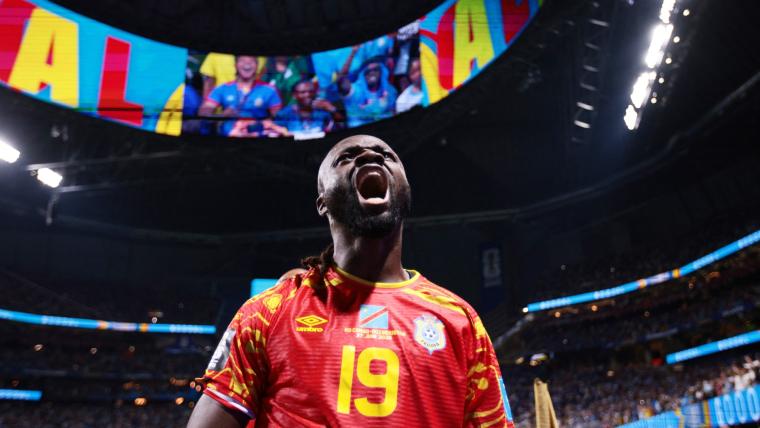
Take the dramatic win over Uzbekistan. Trailing 1-0 early in the second half, many had already written them off. You could practically hear the pundits sighing, preparing to package another valiant but ultimately unsuccessful campaign. Then, Yoane Wissa came to life. He stroking a penalty into the side of the net to breathe life into what once appeared a dour DR Congo effort. It wasn’t pretty; it was brutally effective. Soon after, Tanzanian Premier League star Fiston Mayele became the first player bred in that league to light the scoresheet in a World Cup—a hard statistic, mind you—when he ripping a shot beyond Uzbek goalkeeper Abduvohid Nematov to deliver a deserved lead to DR Congo’s side. The whole affair was a masterclass in snatching victory from the jaws of a near-certain, unremarkable defeat.
And Wissa, that Newcastle striker, wasn’t done. He settled things for good with a wondrous strike from distance, whipping the ball beyond an outstretched Nematov and into the bottom corner. The roar must’ve been deafening, even here. His showings in this year’s tournament, indeed, have seen him flaunt his gifts on the world’s stage, ensuring he’ll now be a name mentioned in far more circles than just his native Kinshasa or his club’s Geordie faithful. Celebrations were predictably vociferous, spanning from Atlanta to Kinshasa. But they didn’t stop there.
In this expanding tournament—African sides have put on a show in the 2026 World Cup—the former colonial narratives, though still subtly present, feel less definitive. Uzbek fans, for instance, in their Central Asian homeland and scattered across the Muslim world, would’ve felt the sting of defeat. For them, a significant global showing would’ve brought pride. Pakistan, often wrestling with its own sporting identity beyond cricket, watches these events. The success of any Muslim-majority nation or, conversely, the failure of one like Uzbekistan in such a high-profile international event resonates differently across communities in South Asia and the broader Islamic world, creating dialogues and divisions far removed from the actual match. It’s a quiet cultural export, this game. It’s part of Seattle’s Global Game, in a way. Just on a much bigger scale. For DR Congo, earning 4 points in Group K, putting them into the knockouts ahead of their opponents who mustered zero points, wasn’t just about football.
📄 POLICY WIRE WHITEPAPER PUBLISHED: PAKISTAN'S NATIONAL SECURITY POLICY PRIORITIES
👉 READ BY CLICKING HEREWhat This Means
The geopolitical impact of sporting success for nations like DR Congo is deceptively complex. On one hand, there’s the immediate boost to national morale—a unifying force in a country that certainly needs it. This isn’t merely about national pride; it’s about perceived international standing. A strong performance can subtly, but effectively, alter international perceptions, perhaps even nudging investors or tourists to reconsider. It’s a form of soft power, bypassing traditional diplomacy — and appealing directly to a global audience. Economically, while not a direct financial windfall for the average citizen, the visibility itself creates pathways. It highlights talent. It puts local names on global rosters, potentially inspiring a new generation and—long term—perhaps even sparking investment in sports infrastructure and youth development. It also offers a distraction, a brief respite, from domestic issues that are, let’s be honest, often far less celebratory. And that’s a tangible policy win, if you ask me.
The DR Congo, slated to face England in the next round, has already won a victory far beyond the scoreboard. They’ve challenged assumptions about which nations belong at the highest echelons of the sport. They’ve shown, to millions across the globe, what can happen when talent meets opportunity and a little bit of luck—and a lot of heart.