


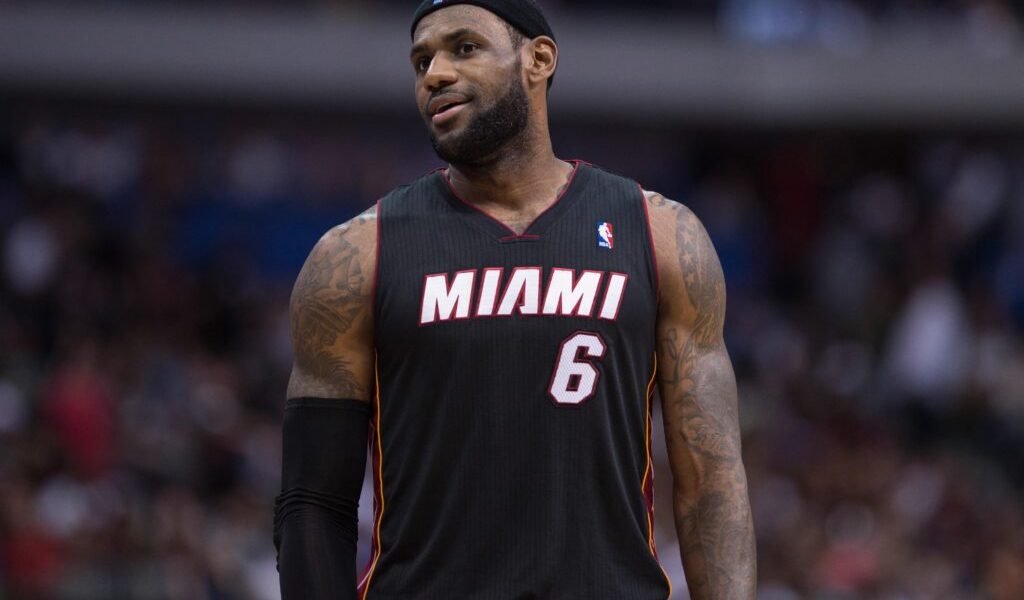
Miami’s audacious gambit: The cynical calculus behind LeBron James’s anticipated South Beach encore
POLICY WIRE — Miami, USA — It wasn’t the seismic jolt everyone predicted, but the rumble began weeks ago, deep beneath the glossy surface of professional sports. When the Miami Heat...

POLICY WIRE — Miami, USA — It wasn’t the seismic jolt everyone predicted, but the rumble began weeks ago, deep beneath the glossy surface of professional sports. When the Miami Heat lured Giannis Antetokounmpo — the Greek Freak himself — to South Beach, pundits cheered the arrival of a new dynasty. A new era. What they missed, perhaps, was that Pat Riley wasn’t just acquiring a superstar; he was laying the groundwork for a far more audacious, and frankly, a bit cynical, corporate takeover of the NBA narrative. This wasn’t about new blood. This was about bringing back an old, incredibly valuable ghost.
LeBron James, the monarch of modern basketball, is once again flirting with a return to the Miami franchise he famously left a decade ago. Think about that for a second. His departure in 2014 was a dramatic, made-for-TV moment, an emotional pilgrimage back to Cleveland. But time heals all wounds, particularly when billions are at stake. Now, with Antetokounmpo — a genuine generational talent, mind you — already donning Heat colors, the chatter around James’s possible free-agent reunion has shifted from fantasy to a chillingly probable strategic play.
And it’s a hell of a play, if you really stop to consider it. The Heat, a team that practically runs on the fumes of championship ambition, is stitching together what amounts to a sports-entertainment conglomerate. You get a guy like Giannis, — and then — then! — you layer in LeBron. It’s a calculated echo of a bygone era, yes, but also a bold reassertion of power. A dominant narrative doesn’t just happen; it’s manufactured, packaged, and sold to the masses, from American suburban living rooms to burgeoning fan bases thousands of miles away.
Pat Riley, the Heat’s enigmatic President, a man whose persona oscillates between sage and silver-haired corporate raider, didn’t mince words. We hear, often through proxies, that he’s always looking for the next chess move. He’s said to have quipped internally, “We’re not building a team; we’re building an empire. Talent gravitates to triumph, — and we’ve got a lot of both down here.” Sounds like him, doesn’t it? That relentless pursuit of dominance, unburdened by sentimentality.
But what does this say about the league itself? Adam Silver, the NBA Commissioner, a man acutely aware of the delicate balance between competitive integrity and box office appeal, would certainly be watching. It wouldn’t be surprising if he privately welcomed the buzz. “The league thrives on narratives, on rivalries,” Silver was recently overheard saying at an informal gathering of league executives. “If players choose to align themselves in such compelling ways, it only enhances the global appeal of our product, both domestically and, importantly, in burgeoning markets like South Asia.”
Because, make no mistake, this isn’t just about Miami winning games. It’s about global brand footprint. The NBA isn’t a national pastime; it’s a multinational entertainment powerhouse. James, a true global icon, would amplify that reach considerably. We’ve seen, for instance, how interest in the NBA is slowly but surely building traction in unexpected corners of the world. Basketball has seen a 25% increase in fan engagement across Southeast Asia and the Middle East over the last five years, according to data from Statista’s 2023 Global Sports Market Report. A duo like Giannis and LeBron? That percentage jumps again. It’s about selling jerseys in Karachi, streaming games in Dubai, and cementing partnerships with brands in Jakarta.
📄 POLICY WIRE WHITEPAPER PUBLISHED: PAKISTAN'S NATIONAL SECURITY POLICY PRIORITIES
👉 READ BY CLICKING HEREThey’re banking on nostalgia, certainly, but also on raw, undeniable talent. LeBron — pushing forty, for heaven’s sake — continues to defy actuarial tables, delivering numbers most players only dream of in their prime. He’s a walking, breathing institution. Put him next to Giannis, a physical marvel, and you’ve got an unstoppable marketing engine disguised as a basketball team. The Heat have always prided themselves on their “culture,” a vaguely defined but fiercely protected ethos of hard work and mental toughness. Now, they’re weaponizing it. They’re making an offer LeBron couldn’t easily refuse: one more guaranteed shot at glory, wrapped in familiar trappings.
It’s a grand vision, executed with a corporate ruthlessness that sports fans either abhor or secretly admire. The romantic notion of loyalty seems almost quaint in the face of such aggressive team-building. Miami isn’t just trying to win a championship; they’re trying to win the decade. And if they’ve to revisit some old, occasionally uncomfortable relationships to do it, then so be it.
What This Means
The implications of a LeBron James reunion with the Miami Heat are vast, reaching far beyond the basketball court. Economically, this move would be an immediate boon for the league, inflating TV rights, merchandising sales, and the valuation of the Heat franchise itself. It would create a narrative powerhouse, attracting an unparalleled level of media attention and sponsorship opportunities — a king-sized chess move in the fiercely competitive global sports market. Politically, within the NBA, it cements Miami as an undeniable super-team, challenging the balance of power and forcing other franchises to rethink their strategies, possibly accelerating a trend of top-tier talent consolidating in fewer markets. But it’s also a double-edged sword. Fans, particularly outside of Miami, might feel alienated by the perception of an ‘unfair’ advantage, a sense that outcomes are predetermined by who can assemble the most concentrated wealth of talent. This kind of aggregation could spark new debates on parity and competitive fairness, but don’t hold your breath waiting for change. Money talks, always has. And for markets eager for superstar exposure — places like Pakistan and other parts of the Muslim world, where global athletic brands hold increasing sway — such a powerful duo offers a tangible, charismatic entry point into the world’s most dynamic basketball league, far exceeding the impact of a single star.
The buzz alone ensures massive digital engagement, a currency as important as game attendance these days. For South Asian audiences, where football still dominates but basketball is gaining ground, a Miami team featuring LeBron and Giannis offers a potent symbol of global athleticism and fierce competition. It’s not merely about sports; it’s about lifestyle, aspiration, and the potent draw of star power on an international stage, not unlike the complex maneuvers observed in international athletic spectacles with geopolitical undertones. Because when these players move, the whole world watches. And the Heat knows it.