


Shadow Fleet: Ukrainian Unease over NATO’s Autonomous Naval Push Signals New Era
POLICY WIRE — Washington D.C., USA — Forget the sleek fighter jets, the roaring tanks, or the boots on the ground—that’s yesterday’s war. The real anxiety, it turns out, now churns...

POLICY WIRE — Washington D.C., USA — Forget the sleek fighter jets, the roaring tanks, or the boots on the ground—that’s yesterday’s war. The real anxiety, it turns out, now churns beneath the waves — and glides silently across the surface. Military technology’s latest pivot isn’t about more human might; it’s about autonomous, uncrewed systems. And the pace of their integration into the grand strategic blueprints of global alliances? Well, it’s giving some very experienced eyes pause.
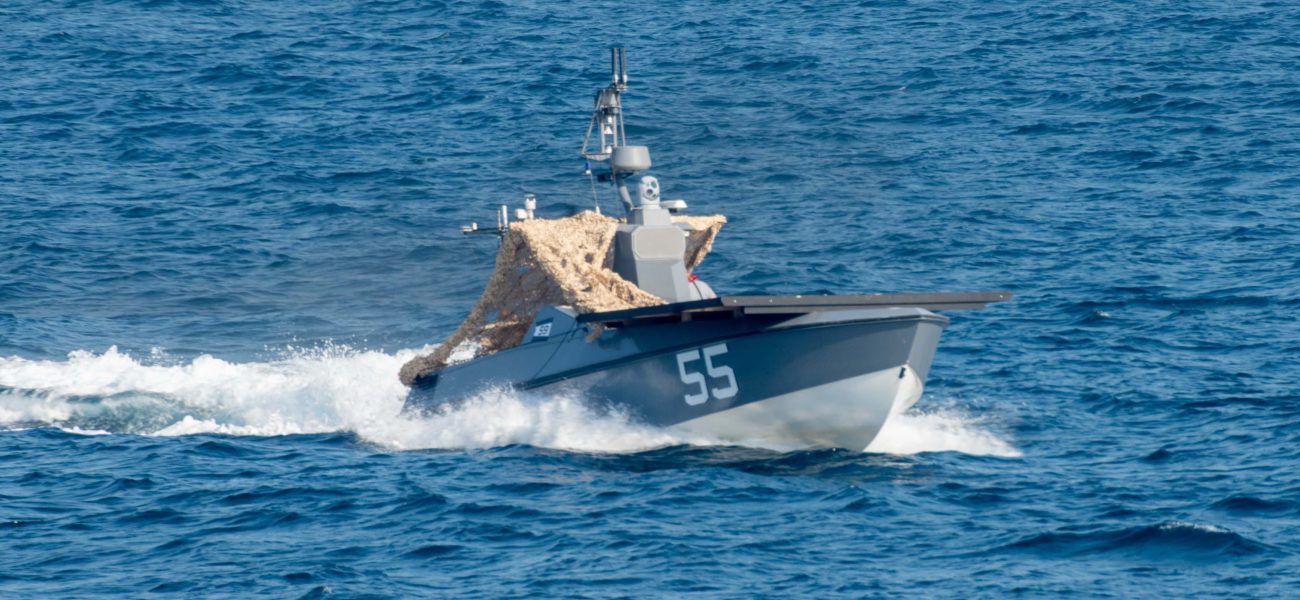
It’s no small thing when frontline leadership expresses reservations. They’ve seen things; they’ve learned hard lessons. A Ukrainian commander, for example, recently cast a revealing, somewhat cold shadow on the advancements coming down the pipeline. Specifically, the commander says the way NATO’s trying to develop naval drones makes him uneasy. That’s a succinct, yet profoundly loaded, assessment of the world’s most powerful military alliance from someone who’s actively navigating its brutal consequences. What makes one uneasy about a system designed to improve operational safety — and efficiency? [QUOTE_PLACEHOLDER]
It isn’t a fear of robots rising up in Skynet fashion, let’s be clear. It’s far more nuanced, rooted in the cold reality of strategy — and escalation. Is it the unpredictability of AI decisions at sea, perhaps? Or maybe the sheer ease with which an autonomous system might cross a line that a human captain would hesitate to approach? Naval drones – some mere surfacetoys today, formidable weapons tomorrow – offer unprecedented surveillance capabilities and, increasingly, strike options, all while keeping human personnel out of harm’s way. But here’s the rub: they also remove the human element that, for all its flaws, often acts as a brake on unbridled conflict.
And let’s not discount the cost. We’re not talking about minor investments here. NATO nations are pouring billions into these next-generation naval capabilities. The US Navy, for instance, allocated over $10 billion to uncrewed systems research, development, and acquisition in its 2024 fiscal year budget alone. That’s from an official DoD briefing, mind you. That’s a staggering sum, indicating a complete commitment to this paradigm shift. But it’s also money that could go elsewhere – to conventional forces, to rebuilding shattered infrastructure, to humanitarian aid. Priorities, right? It all depends on your particular vantage point.
Because the development of these systems isn’t happening in a vacuum. Every new capability NATO fields prompts a re-evaluation from potential adversaries — and even partners. Consider the Arabian Sea, a critical maritime chokepoint. Nations like Pakistan, which relies heavily on sea lines of communication and operates its own naval forces, observes these developments keenly. The introduction of highly autonomous and cost-effective naval drones by major powers could fundamentally alter naval doctrines, intelligence gathering, and even perceived sovereignty in international waters. Such technology could empower smaller nations with asymmetric capabilities—or, conversely, create new vulnerabilities they cannot easily counter, compelling them to accelerate their own, often less transparent, drone programs. That kind of tech race has unpredictable consequences for regional stability.
We’re talking about a future where silent, automated fleets could patrol vast swathes of ocean, constantly monitoring, identifying, and perhaps even engaging targets without direct human command loops in real-time. That’s a profound departure from traditional naval warfare, where a captain’s judgment, an admiral’s decision, carries immediate, heavy human consequence. When the decision to deploy, to track, or to fire becomes an algorithm’s prerogative—or even largely algorithm-assisted—the moral and ethical quagmires multiply. And they aren’t merely theoretical either; they’re operational nightmares waiting to happen.
📄 POLICY WIRE WHITEPAPER PUBLISHED: PAKISTAN'S NATIONAL SECURITY POLICY PRIORITIES
👉 READ BY CLICKING HEREWhat This Means
The commander’s unease isn’t an isolated grumble; it’s a canary in the coal mine, hinting at the strategic indigestion these new capabilities are causing, even among those intended to benefit. Politically, this signals a deepening rift between the pursuit of technological advantage and the fundamental questions of control, escalation management, and ethical oversight in warfare. Governments will find it increasingly difficult to assure their populaces—and their allies—that fully autonomous weapon systems can be contained within acceptable parameters, particularly when a mishap or misidentification could lead to international incidents, even open conflict. The economic implications are equally thorny: a new arms race in autonomous systems means immense expenditures, diverting funds from other critical sectors, while simultaneously creating new export markets for military hardware that, once sold, operates with far less transparency.
But the real, gnawing question revolves around accountability. Who is responsible when an uncrewed vessel makes an error that results in civilian casualties or a major diplomatic incident? Is it the programmer? The deploying officer? The politician who authorized its deployment? That’s not just a philosophical debate for academics; it’s a real-world legal and ethical quandary for policymakers trying to grapple with a defense landscape shifting beneath their very feet. The political price of getting this wrong? It’s unfathomable.