


Guilin’s Karst Charm: A Political Statement in China’s Post-Pandemic Tourism Play
POLICY WIRE — Beijing, China — Amid the hushed chatter of economic prognostication and geopolitical maneuvering, China’s recent energetic re-emphasis on its domestic tourism treasures feels like more...

POLICY WIRE — Beijing, China — Amid the hushed chatter of economic prognostication and geopolitical maneuvering, China’s recent energetic re-emphasis on its domestic tourism treasures feels like more than just a welcome economic balm. It’s a calculated, visual affirmation of internal stability—a soft power flex disguised as a vacation pamphlet, if you will. Don’t get it twisted; places like Guilin aren’t simply picture postcards. They’re deliberate statements in a broader narrative China is crafting about itself for the world, and especially for its regional neighbors. It isn’t just about beautiful mountains; it’s about what those mountains represent to Beijing.
For decades, Western travelogues have fixated on Guilin, that improbable geological anomaly in Guangxi province, for its otherworldly karst landscapes. But, you know, there’s a whole lot more happening beneath those limestone formations than just mist and poetic reverence. It’s an economy, a major one at that, meticulously managed and marketed to draw eyeballs—and wallets—both domestically and from afar. Because after three years of unprecedented closures, China isn’t just opening its doors; it’s rolling out the red carpet to demonstrate resilience and normalcy, a sharp counterpoint to global skepticism. [QUOTE_PLACEHOLDER]
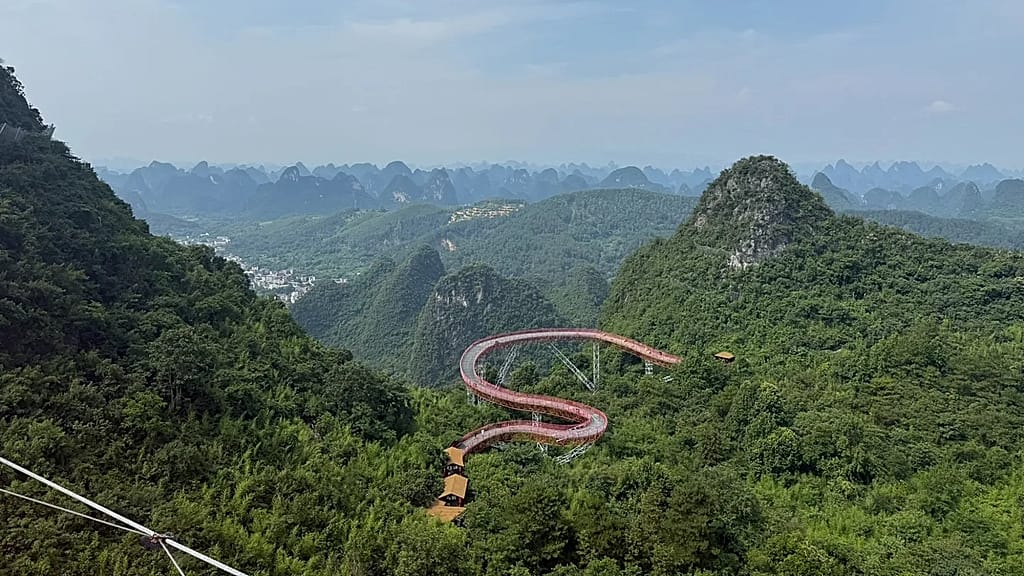
Guilin itself, with its meandering Li River and the dramatic peaks of Yangshuo, doesn’t need much embellishment for its beauty. Foreign correspondents, usually tasked with parsing economic data or dissecting politburo machinations, occasionally find themselves staring dumbstruck at scenes commonly depicted in classical ink wash paintings. It truly is a sight. The area has, for a long, long time, been touted as holding ‘The best scenery under heaven’. This isn’t just hyperbole from a particularly enthusiastic tour guide; it’s a centuries-old moniker, ingrained in the national consciousness and heavily leveraged in contemporary marketing campaigns. It suggests not just beauty, but a kind of cosmic endorsement.
The logistical efforts behind presenting such a place are monumental. We’re not talking about a quiet, out-of-the-way nook; this is a carefully curated experience, from bullet trains that zip across the countryside to a rapidly expanding infrastructure of hotels, restaurants, and guided tours. Data from the World Travel & Tourism Council indicated that prior to the pandemic, China’s travel and tourism sector was forecast to contribute 11% to the national GDP by 2029, a staggering sum demonstrating the scale of this particular industry. And places like Guilin are prime assets in that colossal portfolio. It’s big business—but it’s also smart diplomacy.
It’s here, actually, where the political undertones become hard to ignore. How China leverages these stunning natural assets isn’t merely about filling hotels; it’s about presenting a compelling image of a stable, prosperous, and culturally rich nation. This vision isn’t just for European or American tourists. It’s crucially aimed at Asian markets, particularly South — and Southeast Asia. Think about countries like Pakistan, Sri Lanka, or Bangladesh—nations often grappling with their own environmental conservation challenges, yet also keen to attract international visitors. China isn’t just selling Guilin; it’s projecting a model of large-scale tourism development, integrated infrastructure, and environmental preservation (or at least, the appearance of it) that subtly, but firmly, contrasts with more haphazard approaches elsewhere.
But there’s a subtle geopolitical dance in play here. China’s efforts in Guilin parallel its economic — and strategic overtures throughout South Asia. Where the Belt and Road Initiative builds ports and railways, destinations like Guilin build soft power and cultural affinity—or at least, the perception of it. While countries like Pakistan are developing their northern mountainous regions for tourism, they’re simultaneously observing (and in some cases, partnering with) Chinese expertise. It’s an economic relationship, absolutely. It’s also an attempt at setting regional benchmarks. We see the influence everywhere. And it’s only gonna expand.
📄 POLICY WIRE WHITEPAPER PUBLISHED: PAKISTAN'S NATIONAL SECURITY POLICY PRIORITIES
👉 READ BY CLICKING HEREThis deliberate strategy isn’t new. China’s always understood the power of visual persuasion — and cultural heritage. What’s different now is the intensity, the almost urgent drive to reclaim its narrative on the global stage after years of self-imposed isolation. Guilin becomes a cornerstone of this messaging. It’s an easy, digestible example of Chinese efficiency and natural endowment, far removed from thornier discussions about trade imbalances or human rights records. It’s accessible beauty, carefully presented for public consumption.
What This Means
This aggressive rebranding and revitalization of China’s premier tourist destinations, like Guilin, carries significant weight far beyond the local economy. Politically, it signals a confident re-engagement with the world, post-pandemic. It’s China asserting its return to global normalcy—and not just as an economic powerhouse, but as a cultural destination worthy of attention. Economically, a robust tourism sector contributes directly to GDP, provides countless jobs, and acts as a significant foreign exchange earner, diversifying economic risk away from purely manufacturing or export-led growth. This is crucial for maintaining internal stability as the nation navigates complex global headwinds. Because, let’s be honest, internal consumer confidence, bolstered by visible domestic opportunities, really does matter.
For South Asia, specifically, China’s renewed tourism offensive presents a multi-faceted challenge — and opportunity. On one hand, Chinese outbound tourists represent an enormous, lucrative market for destinations from the Maldives to Nepal. But on the other, China’s domestic tourism industry—with its high standards of infrastructure and well-funded promotion—sets a competitive bar. Nations in South Asia, including Pakistan, will need to elevate their own offerings to capture a share of this growing pie, perhaps even leveraging lessons learned from their colossal northern neighbor. There’s also the element of soft power; successfully promoting areas like Guilin paints China in a favorable, non-threatening light, which supports broader diplomatic goals. It subtly reinforces China’s global presence—not just through trade deals, but through the universal appeal of striking landscapes. For more on China’s environmental tourism, see China Highlights. It’s smart, subtle influence at work.