


Ozempic Effect: High Society Slims Down, Re-outfits, and Reshapes Luxury Economy
POLICY WIRE — London, UK — The sartorial shift in West London’s high-end boutiques tells a peculiar story these days, one less about transient fashion fads and more about molecular...

POLICY WIRE — London, UK — The sartorial shift in West London’s high-end boutiques tells a peculiar story these days, one less about transient fashion fads and more about molecular intervention. Forget the grand declarations of new seasonal collections. It’s the tailoring adjustments—the endless taking in of seams, the subtle shrinkage of sizes displayed—that whisper about a quiet revolution amongst the affluent. They’re shedding pounds, sure, but also shedding old wardrobes, catalyzing an unforeseen economic ripple in the exclusive circles of global luxury.
It’s not some new starvation diet causing this retail frenzy, not really. We’re talking about GLP-1 agonists, those pharmaceuticals that make you feel full — and then some. These meds—Ozempic, Wegovy, what have you—have become as much a status symbol as a medical treatment for a certain demographic. But it’s not just the need for new pants driving demand; it’s a recalibration of how high-net-worth individuals engage with consumerism. Because they’re eating less, and what they do eat tends toward the exquisitely proportioned, they’re turning to different sorts of dining experiences, prioritizing quality over quantity, flavor over volume. This isn’t just about weight loss; it’s about a new kind of luxury consumption.
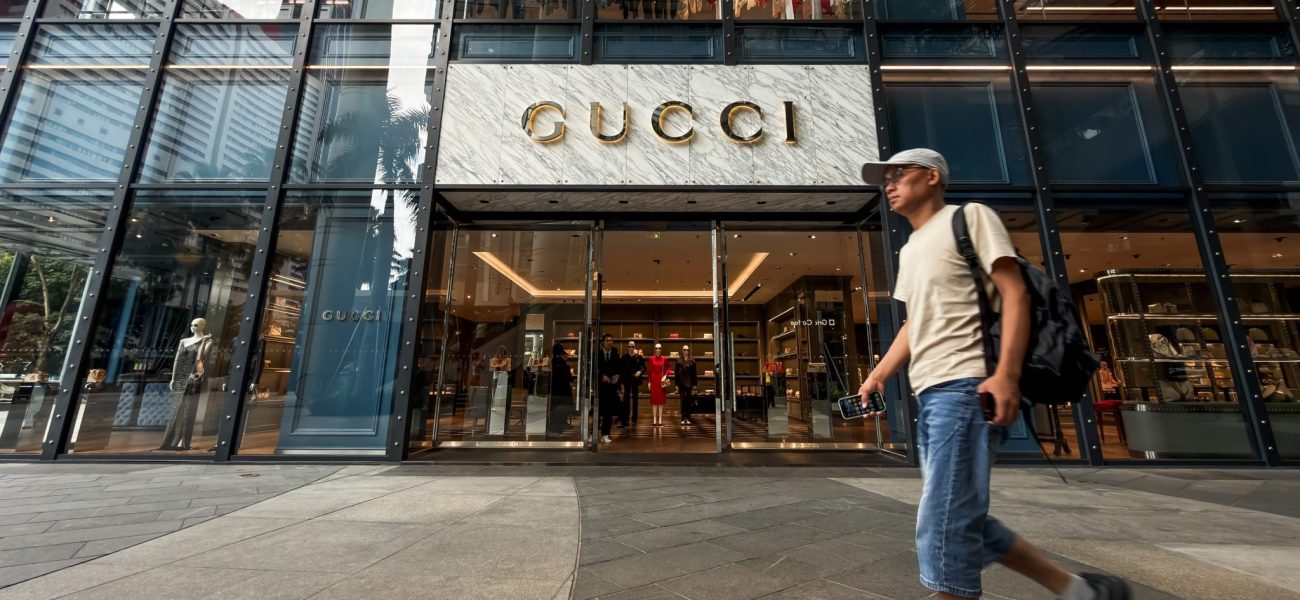
These are the same folks who sustained the luxury market through various downturns. And now they’ve found another way to do it. You see, when one’s physique undergoes a substantial change—let’s be blunt, becomes thinner—the existing array of Gucci, Prada, and bespoke suits just doesn’t fit right anymore. What’s a self-respecting titan of industry or a well-heeled socialite to do? They buy new threads. Lots of them. It’s a cyclical windfall for high fashion that wasn’t exactly predicted in pharmacology journals. A recent analysis indicated a roughly 15% increase in high-end apparel sales attributed directly to GLP-1 induced weight loss over the past 18 months, according to Luxury Goods Consulting Group’s 2023 annual report.
This dynamic extends beyond clothing rails. Restaurants, especially those catering to the top tier, are subtly adjusting their offerings. Forget the sprawling, multi-course degustation menus that once defined opulence. Instead, patrons on these medications favor intensely flavorful, precisely portioned dishes—think hyper-concentrated culinary experiences rather than endless plates. They might even request [QUOTE_PLACEHOLDER] in their dining choices. Chefs, ever adaptable to the whims of those who can afford the steepest prices, are certainly paying attention. It’s a shift from indulgence to curated excellence. The perceived value shifts from sheer abundance to uncompromising artistry.
But there’s a quiet tension here too. While some celebrate this consumer renaissance in luxury, others ponder the ethical undertones. Are we celebrating pharmaceutical interventions that inadvertently fuel conspicuous consumption? Is this truly healthy, or just another form of societal aspiration driven by a pill? And what happens when these drugs become more accessible, not just for those who can jet off to Zurich for their prescriptions, but globally? The trickle-down will be interesting, to say say the least. It’s a brave new world, — and the tailoring shears are getting a workout.
And let’s not forget the global aspect of this phenomenon. The pharmaceutical behemoths pushing these GLP-1 drugs aren’t just targeting the West. Markets in affluent pockets of the Middle East, particularly the Gulf States, show similar patterns of uptake, with an eye on both medical efficacy and perceived lifestyle enhancement. Wealthy individuals in places like Dubai or Jeddah are certainly no strangers to luxury spending, nor to medical tourism—they’ve been on the forefront of early adoption for many cosmetic and lifestyle-enhancing treatments for ages. But for Pakistan, a country grappling with its own substantial health challenges and economic instabilities, the prospect of such pharmaceuticals remains a distant luxury for the vast majority. The implications there often revolve around the availability of genuine medications versus counterfeit drugs, or the stark disparity in healthcare access and affordability. One might call it a different sort of health burden, not of abundance but of absence, and how it gnaws at productivity and policy.
📄 POLICY WIRE WHITEPAPER PUBLISHED: PAKISTAN'S NATIONAL SECURITY POLICY PRIORITIES
👉 READ BY CLICKING HEREIt’s all quite tidy, really. Pharmaceutical companies make billions, luxury brands enjoy unexpected booms, and a select demographic experiences a bodily transformation. No doubt there’s a certain efficiency to this whole system. But it begs a question or two about sustainability. What happens when everyone who wants these drugs has them — and has already re-outfitted? The well of demand for new clothes will eventually run a bit drier. It’s not an infinite market, after all, just one seeing an unprecedented surge from an unexpected quarter.
Because ultimately, consumer behavior, even at the highest echelons, responds to incentives — and perceived necessities. Right now, looking good in smaller sizes is a compelling one. We’re witnessing a strange, chemical-driven loop of desire — and expenditure. The financial health of these high-end sectors is intrinsically linked to the chemical balance in the digestive tracts of its most fervent customers. And who’d have thought pharmaceuticals would be the new style guru? It’s enough to make you reconsider your own next wardrobe refresh, isn’t it? Perhaps it’s a more profound disruption to the traditional supply chain, one driven by health, or the perception of it, blurring lines that were once quite distinct between medical advancement and sheer indulgent spending, like an athlete’s contract rippling through an entirely unrelated economy (NBA Contract Ripples Through Global Economy).
What This Means
This evolving relationship between pharmaceuticals and luxury consumption signals a fascinating, if somewhat ethically knotty, economic pivot. For pharmaceutical firms, it extends their market reach beyond purely therapeutic applications, hinting at a future where medical interventions are explicitly linked to lifestyle enhancements for those who can afford them. For the luxury sector, this is a much-needed shot in the arm, but it forces brands to recalibrate their understanding of aspirational consumption. It’s less about the sheer volume of goods and more about the quality and ‘fit’ (both literally and metaphorically) for a body type undergoing a chemical transformation. The economic implication isn’t just a short-term sales boost; it’s a long-term reshaping of product development, marketing strategies, and perhaps even the entire aesthetic narrative of high fashion and fine dining. Brands will need to move beyond size inclusivity and towards catering to individuals whose bodies are actively changing due to medical, rather than purely dietary or exercise, reasons. It’s a peculiar market dynamic driven by biology, chemistry, and disposable income, and it’s poised to shift revenue streams in unexpected ways for years to come. Policymakers should certainly keep an eye on accessibility and equitable distribution for genuine health reasons versus market-driven lifestyle uses, particularly in economies where such distinctions carry heavy social consequences.