

Haaland’s Bold Stroke: The Politics of Personal Tragedy in New Mexico’s Race
POLICY WIRE — ALBUQUERQUE, N.M. — The wheels of politics grind on, even when personal tragedy intervenes. In New Mexico’s simmering gubernatorial contest, Democratic nominee Deb Haaland has...

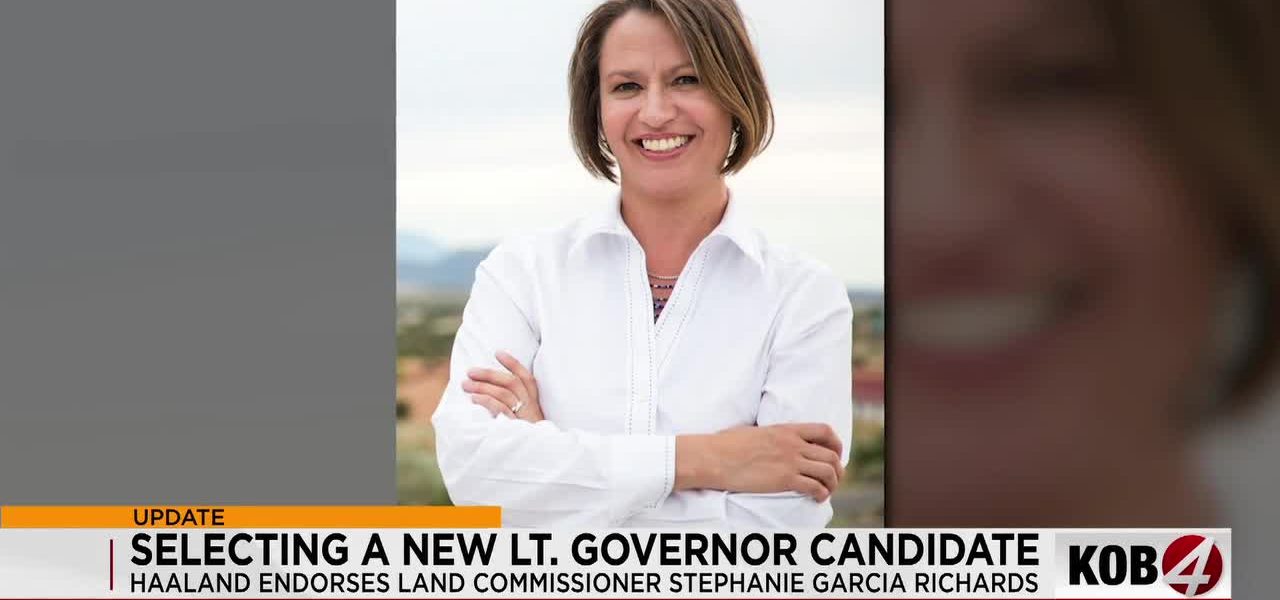
POLICY WIRE — ALBUQUERQUE, N.M. — The wheels of politics grind on, even when personal tragedy intervenes. In New Mexico’s simmering gubernatorial contest, Democratic nominee Deb Haaland has pulled an eyebrow-raising move, throwing her weight behind State Land Commissioner Stephanie Garcia Richard for lieutenant governor. It’s an endorsement that didn’t just appear out of thin air; it materialized in the wake of an unexpected vacancy, offering a glimpse into the sharp elbows and softer human angles defining campaigns.
Only weeks ago, the race for the number two spot was decidedly—messily—different. Secretary of State Maggie Toulouse Oliver, who’d clinched the nomination, bowed out due to health issues. Her departure, while certainly regrettable for Oliver, opened up a gaping hole. And Garcia Richard, having previously suspended her own campaign for the same office due to her husband’s battle with cancer, found herself staring at an entirely new political landscape.
Now, with her husband in remission, Garcia Richard is back. It’s a compelling, almost cinematic, return to the political fray. But make no mistake, Haaland’s pick isn’t simply a feel-good story about overcoming adversity. It’s a strategic play in a state where Democratic dominance, while substantial, isn’t something to take for granted. New Mexico, for example, boasts a robust Democratic voter registration, hovering around 46% of active voters as of late 2018, providing a strong but not impregnable base.
“Stephanie brings the energy, compassion, leadership, and proven ability to bring people together that I believe will strengthen our campaign and our ability to deliver,” Haaland stated, a quote carefully crafted to hit all the right notes. But it’s the ‘proven ability to bring people together’ bit that hints at the political heft Haaland expects her running mate to carry. This isn’t just about shared values; it’s about electoral horsepower.
Garcia Richard, a former state representative — and the current Land Commissioner, brings specific assets. Her tenure overseeing the state’s vast trust lands has given her a public profile and direct experience with critical New Mexico issues—things like oil and gas leasing, mineral extraction, and managing renewable energy projects. These aren’t abstract debates; they impact everyday lives. Because, really, who else manages billions in state assets? And her background as a teacher speaks to a grounded understanding of local needs, a counterpoint to more abstract policy wonkery.
📄 POLICY WIRE WHITEPAPER PUBLISHED: PAKISTAN'S NATIONAL SECURITY POLICY PRIORITIES
👉 READ BY CLICKING HERE“Returning to this race wasn’t a decision I made lightly, but with a renewed sense of purpose,” Garcia Richard told Policy Wire, her voice steady. “The health of our state, its lands, — and its people, feels more personal than ever now. We’ve been through a lot as a family, and that only strengthens my commitment to public service.” It’s a message that clearly resonates—a personal struggle turned into public resolve. And that’s a powerful narrative in today’s political arena.
The fluidity of this particular race—a high-profile exit, a dramatic comeback—also speaks to the demanding nature of public office. Candidates aren’t immune to life’s curveballs, no matter how insulated their political machines may seem. For voters in a state grappling with everything from water scarcity to strained infrastructure in its cities, seeing a politician weather personal storms can actually build a peculiar kind of trust. It humanizes the process, a rarity.
What This Means
Haaland’s endorsement isn’t just an announcement; it’s a redefinition of the campaign’s trajectory. Politically, it signals a consolidation of power within the Democratic Party ahead of what could be a contentious general election. Garcia Richard’s track record as Land Commissioner gives the ticket a specific angle on environmental protection and resource management, which plays well in New Mexico—a state acutely aware of its fragile ecosystems. Economically, her expertise in land use means a Haaland-Garcia Richard administration would likely lean into sustainable development and leveraging state assets for public education funds, an area of constant, gnawing concern. It could also mean a heightened focus on conservation and smart growth, balancing extraction with ecological imperatives—themes echoed in land policy debates from the arid regions of Pakistan to tribal lands in Arizona. The pick also adds a layer of resilience to the campaign’s story, a powerful narrative often sought by candidates trying to connect beyond party lines. But navigating the complexities of New Mexico’s unique blend of cultural heritage and modern economic pressures will demand more than just a good story; it’ll require concrete policy, which is where Garcia Richard’s operational experience will likely be showcased.