


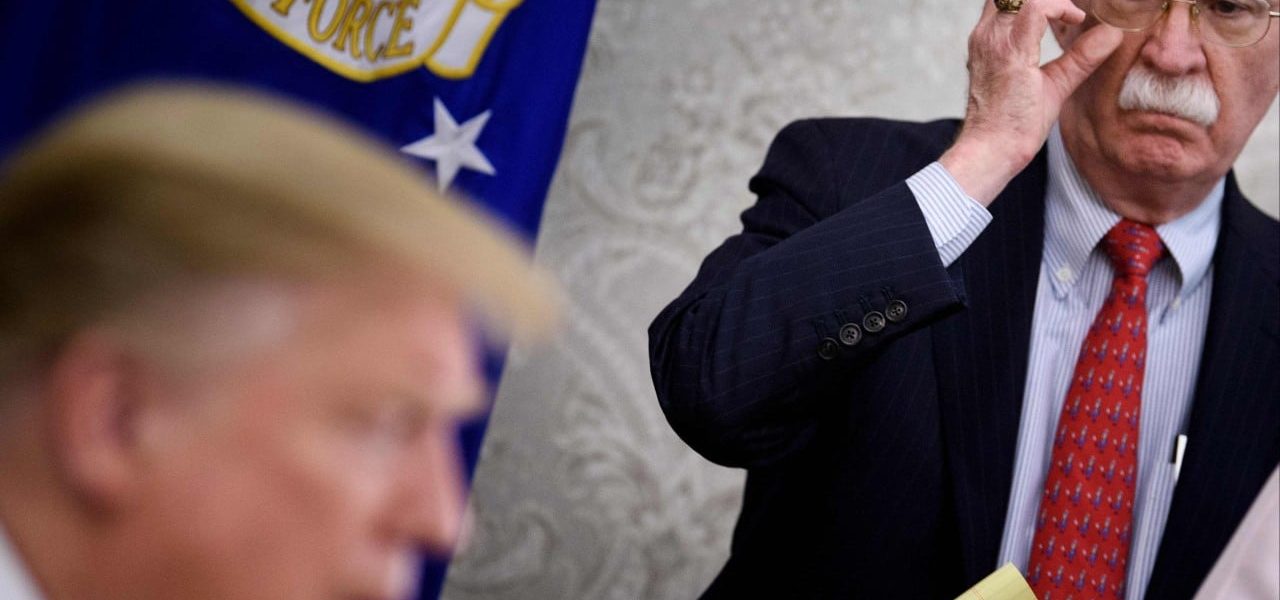
John Bolton Pleads Guilty to Classified Information Charge, Averts Prison
POLICY WIRE — Washington, D.C. — John Bolton, the former National Security Adviser under the Trump administration, formally admitted his guilt on Friday, pleadi...

POLICY WIRE — Washington, D.C. — John Bolton, the former National Security Adviser under the Trump administration, formally admitted his guilt on Friday, pleading to charges of illegally retaining classified information. This development comes as part of an agreement struck with federal prosecutors, potentially allowing the long-serving diplomat to avoid a prison term. (Reporting based on wire reports)
Bolton, 77, is now slated for sentencing on October 28. The proceedings will take place before US District Judge Theodore Chuang in Greenbelt, Maryland. The single count to which Bolton pleaded pertains directly to the unlawful retention of sensitive government material following his tenure in public service.
This legal outcome marks a notable moment for a figure who, after serving in President Donald Trump’s first administration, became an increasingly outspoken critic of the Republican leader. Bolton’s term as National Security Adviser ended in September 2019, marked by increasingly public disagreements with the then-President.
What This Means
A plea deal, especially one potentially avoiding incarceration, in a classified information case involving a former high-ranking national security official carries significant implications. Such agreements often reflect a balance between prosecutorial goals—ensuring accountability and upholding the sanctity of classified materials—and a defendant’s willingness to accept responsibility without the protracted, potentially destabilizing process of a public trial that could expose further sensitive details.
📄 POLICY WIRE WHITEPAPER PUBLISHED: PAKISTAN'S NATIONAL SECURITY POLICY PRIORITIES
👉 READ BY CLICKING HEREFor John Bolton, this guilty plea provides a path forward that sidesteps a drawn-out legal battle, yet still acknowledges the breach of protocols concerning national security secrets. The sentencing in October will provide the final judicial determination on the penalties he will face, underscoring the legal consequences tied to the handling of classified intelligence, even for those at the highest levels of government. It raises questions about the ongoing challenges of managing classified information in an era where top officials are increasingly publishing memoirs and commentary post-service.